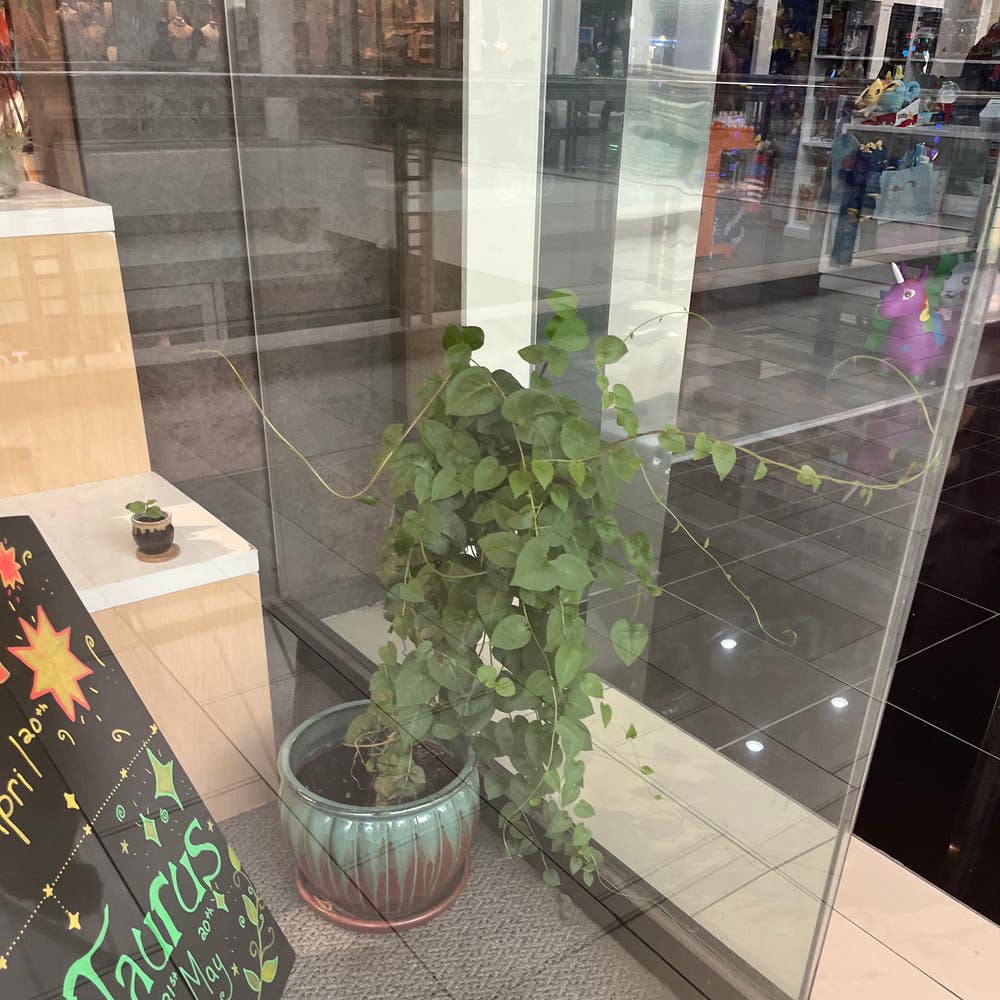
Madeira Vine: A Common Weed 🐍
Anredera cordifolia
By the Greg Editorial Team
Sep 30, 2024•7 min read
This article was created with the help of AI so we can cover more plants for you. May contain errors. See one? Report it here.
- 🌱 Madeira Vine is a fast-spreading weed, harming native plants and ecosystems.
- 🐦 It disrupts wildlife habitats, affecting food sources and nesting behaviors.
- 💰 Management costs rise due to its competition with crops and property value reduction.
Plant Classification
Definition of Weeds and Invasive Species 🌱
Weeds are unwanted plants that compete with cultivated plants for essential resources like sunlight, water, and nutrients. Invasive species, on the other hand, are non-native plants that spread rapidly, often disrupting local ecosystems and outcompeting native flora.
Criteria for Classifying Madeira Vine as a Weed 🌿
Madeira Vine meets the criteria for classification as a weed due to its rapid spread. It can quickly cover large areas, making it a formidable competitor against native vegetation for sunlight, nutrients, and space.
Characteristics of Rapid Spread and Competitive Nature ⚡️
This vine reproduces through tubers and stem fragments, which enhances its resilience. It thrives in tropical and subtropical climates, showcasing an impressive ability to adapt to various environments, further solidifying its status as an invasive weed.
Understanding these classifications helps in recognizing the challenges posed by Madeira Vine. As we delve deeper into its identification, you'll see just how pervasive this plant can be.
Identification
Key Identifying Features 🌿
Madeira Vine is easily recognized by its distinctive heart-shaped leaves. These glossy green leaves typically measure between 3 to 10 cm long, making them a standout feature.
In addition to the leaves, look for clusters of small, fragrant white flowers that bloom in the summer. These blooms add to the plant's visual appeal but also signal its invasive nature.
Comparison with Look-Alike Plants 🔍
When identifying Madeira Vine, it's crucial to distinguish it from similar climbing plants. Focus on the unique leaf shape, which is heart-shaped, and the specific flower structure.
Common look-alikes include various climbing vines, but key differences lie in their growth habits and leaf characteristics. Knowing these distinctions can help prevent confusion and ensure effective management of this invasive species.
Growth Habits and Spread
Typical Growth Patterns 🌱
Madeira Vine exhibits a climbing and sprawling growth habit, often smothering other plants in its path. During warm months, its growth accelerates, making it a formidable competitor in gardens and natural areas.
Reproductive Strategies and Methods of Spread 🌿
This invasive plant reproduces through tubers, which are underground storage organs that help it spread efficiently. Additionally, stem fragments can root when they come into contact with soil, allowing for rapid colonization.
Adaptability to Various Environments 🌍
Madeira Vine shows remarkable tolerance to various soil types and moisture levels. It thrives in disturbed areas, gardens, and natural habitats, making it a resilient presence in diverse ecosystems.
Understanding these growth habits and reproductive strategies is crucial for effective management. The next section will delve into the ecological impacts of Madeira Vine on native plant communities and wildlife.
Ecological Impact
Effects on Native Plant Communities 🌱
Madeira Vine is notorious for displacing native species, which leads to a significant reduction in biodiversity. This invasive plant alters ecosystem dynamics, making it harder for local flora to thrive.
Its smothering effect is particularly detrimental, as it blocks sunlight from reaching native plants. This not only stunts their growth but can also lead to their eventual demise.
Impact on Wildlife and Biodiversity 🦋
The presence of Madeira Vine disrupts food sources for native fauna, creating a ripple effect throughout the ecosystem. As native plants decline, the animals that rely on them for sustenance face challenges in finding adequate nutrition.
Additionally, the vine alters habitat structure, which affects nesting and foraging behaviors of various wildlife species. This disruption can lead to decreased populations of birds and other animals that depend on a balanced ecosystem.
Understanding these ecological impacts emphasizes the importance of managing Madeira Vine effectively. By addressing its spread, we can help restore balance to our natural environments and support the wildlife that calls them home.
Economic or Agricultural Impact
💸 Economic Losses Associated with Madeira Vine
Madeira Vine can impose significant economic burdens on landowners and municipalities. The costs associated with control and management efforts can quickly add up, draining resources that could be better spent elsewhere.
Additionally, the invasive presence of Madeira Vine can negatively impact property values. Homeowners may find their investments diminished as potential buyers shy away from properties overrun by this aggressive weed.
🌾 Agricultural Issues Caused by Its Presence
In agricultural settings, Madeira Vine poses serious challenges. It competes fiercely with crops, leading to reduced yields and increased management costs for farmers.
This competition can force farmers to invest more in weed control measures, cutting into their profits. The struggle against Madeira Vine is not just a nuisance; it can threaten the viability of agricultural operations.
Understanding these economic impacts is crucial for effective management strategies. Addressing the issue early can save both time and money, ensuring healthier ecosystems and more productive lands.
Next, we will explore control and management techniques to combat the spread of Madeira Vine effectively.
Control and Management
Manual Removal Techniques and Best Practices 🌱
To effectively manage Madeira Vine, start by identifying and marking infested areas. This initial step is crucial for targeted removal.
Next, equip yourself with gloves and appropriate tools to dig out the tubers and roots. It's essential to remove as much of the root system as possible to prevent regrowth.
Finally, dispose of the removed plant material properly. This prevents any fragments from taking root elsewhere and ensures that your efforts are not in vain.
Chemical Control Options and Safety Considerations ⚗️
Herbicides can be an effective method for controlling Madeira Vine. Recommended products typically include glyphosate or triclopyr, which target the plant while minimizing damage to surrounding flora.
When using chemical controls, safety precautions are paramount. Always wear protective gear, such as gloves and masks, and follow application guidelines to safeguard both yourself and the environment.
Biological Control Methods and Their Effectiveness 🦠
Exploring biological control methods can offer sustainable solutions. Potential natural predators or pathogens may help keep Madeira Vine in check.
Current research is investigating the effectiveness of these biological options. While promising, it's essential to stay updated on findings to ensure the best approach.
Preventive Measures to Limit Spread 🚧
Preventing the spread of Madeira Vine requires vigilance. Regular monitoring of gardens and landscapes can help catch new infestations early.
Implementing barriers or mulching can also suppress growth. These proactive measures create a less hospitable environment for the vine.
Importance of Early Detection and Rapid Response 🔍
Early detection is key to managing Madeira Vine effectively. Strategies for identifying new infestations include regular inspections and community involvement in monitoring efforts.
Encouraging neighbors to report sightings can create a united front against this invasive species. Together, communities can make a significant impact in controlling its spread.
By employing these control and management strategies, you can help protect your local ecosystem from the encroachment of Madeira Vine. Next, we will explore the legal status surrounding this invasive plant and the regulations in place to manage its presence.
Legal Status
Laws and Regulations 🌍
Understanding the legal landscape surrounding Madeira Vine is crucial for effective management. Both local and national regulations address invasive species, aiming to protect native ecosystems from harmful plants.
Specific laws often govern the sale, transport, and cultivation of Madeira Vine. These regulations vary by region, so it's essential to check local guidelines to ensure compliance.
Requirements for Removal or Control ⚠️
For land managers and gardeners, there are clear guidelines on how to handle Madeira Vine infestations. Manual removal is often recommended, but it must be done carefully to prevent further spread.
Non-compliance with these regulations can lead to significant consequences, including fines or mandated removal efforts. Staying informed and proactive is key to managing this invasive species effectively.
As we explore the next section, we'll delve into the potential benefits or uses of Madeira Vine, despite its invasive nature.
Potential Benefits or Uses
🌿 Historical Uses
Madeira Vine has a rich history in various cultures. Traditionally, it has been utilized for medicinal purposes and as a decorative plant in gardens.
🏡 Current Beneficial Uses
Today, its applications are limited but noteworthy. Some landscapers use Madeira Vine for erosion control due to its vigorous growth and ability to cover bare soil.
⚠️ Emphasis on Negative Impacts
Despite these uses, the negative impacts of Madeira Vine far outweigh any benefits. Its invasive nature disrupts ecosystems, reduces biodiversity, and incurs significant economic costs for management and control.
In summary, while Madeira Vine has historical and limited current uses, its ecological and economic repercussions make it a plant best managed rather than celebrated. Understanding these dynamics is crucial for effective control and preservation of native habitats.
⚠️ Safety First
This content is for general information and may contain errors, omissions, or outdated details. It is not medical, veterinary advice, or an endorsement of therapeutic claims.
Always consult a qualified healthcare professional before using any plant as food, medicine, or supplement.
Never eat any plant (or feed one to pets) without confirming its identity with at least two trusted sources.
If you suspect poisoning, call Poison Control (800) 222-1222, the Pet Poison Helpline (800) 213-6680, or your local emergency service immediately.
Spotted an error? Please report it here.
Combat the invasive Madeira Vine 🌿 with Greg's tailored management tips and community support to protect your garden and promote biodiversity!