Why Madeira Vine Is Not an Annual 🌿
Anredera cordifolia
By the Greg Editorial Team
Sep 30, 2024•5 min read
This article was created with the help of AI so we can cover more plants for you. May contain errors. See one? Report it here.
- 🌱 Madeira Vine is a perennial, thriving over multiple seasons, unlike true annuals.
- 🌞 Heart-shaped leaves enhance photosynthesis, boosting growth and resilience in various conditions.
- 🌿 Understanding its growth cycles aids in effective gardening and seasonal planning.
Madeira Vine's Perennial Nature
🌱 Genetic Characteristics
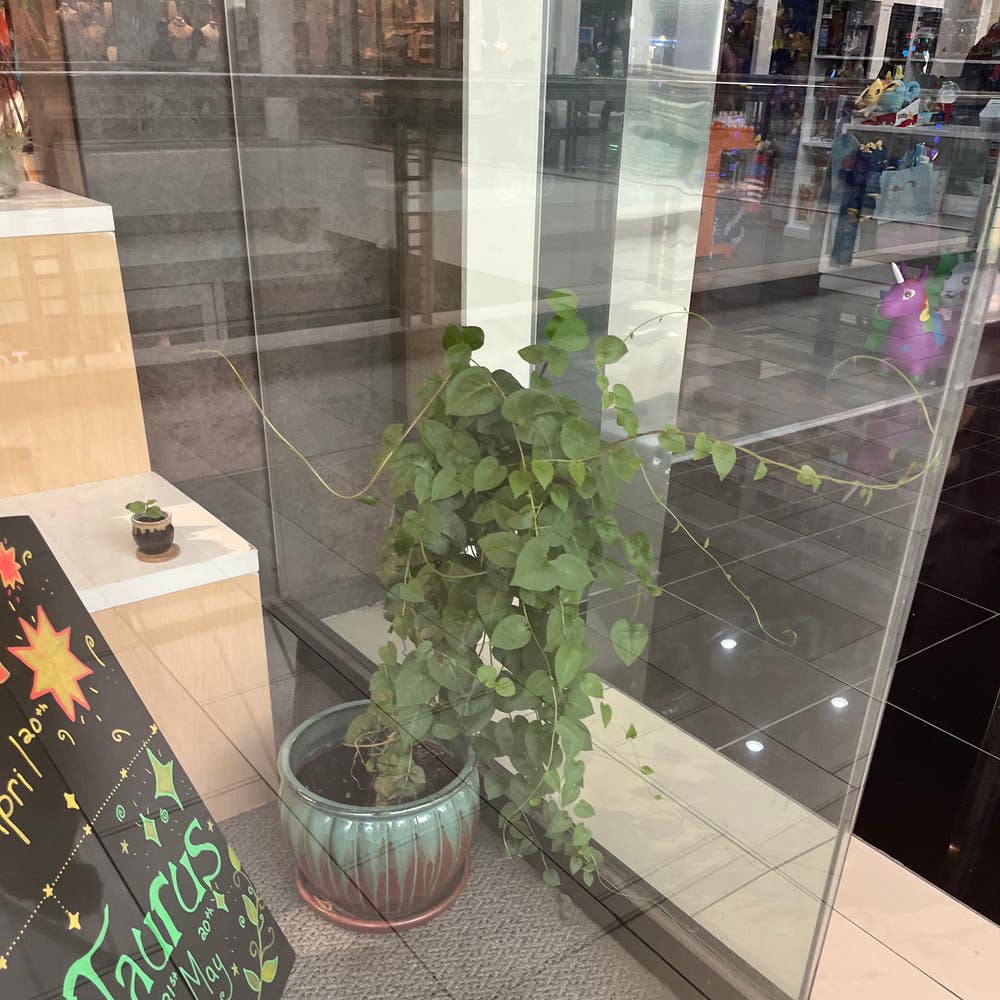
Madeira Vine, scientifically known as Anredera cordifolia, is classified as a perennial plant. Its genetic makeup equips it with remarkable resilience, allowing it to adapt to various environmental changes.
🍃 Physiological Traits Supporting Perennial Growth
One of the standout features of Madeira Vine is its heart-shaped leaves, which optimize photosynthesis. This adaptation enables the plant to harness sunlight efficiently, promoting robust growth.
The root system of Madeira Vine is another key trait. It develops tubers that store nutrients, ensuring the plant can thrive even in less favorable conditions.
🔄 Lifecycle and Growth Patterns
The lifecycle of Madeira Vine spans multiple seasons, showcasing its perennial nature. In optimal conditions, it exhibits vigorous growth, but during winter, it may experience die-back, only to return stronger in spring.
This cyclical growth pattern is a testament to its adaptability, making it a resilient choice for gardeners. Understanding these traits helps clarify why Madeira Vine is not just an annual but a long-term garden companion.
As we explore further, we’ll compare Madeira Vine’s lifecycle with that of true annuals, shedding light on its unique growth characteristics.
Lifecycle Comparison
🌱 Madeira Vine vs. True Annuals
Madeira Vine, scientifically known as Anredera cordifolia, showcases a remarkable multi-season growth pattern. Unlike true annuals, which complete their lifecycle in a single season, Madeira Vine thrives across multiple years, adapting to its environment with resilience.
This perennial plant boasts an extended flowering period, allowing it to produce blooms over a longer timeframe. While annuals may burst into life and fade quickly, Madeira Vine offers a more sustained display, enriching gardens with its beauty season after season.
🌼 Flowering and Seed Production Differences
The flowering cycles of Madeira Vine are impressive, featuring frequent blooms that can last for several months. This extended flowering not only enhances its aesthetic appeal but also contributes to its reproductive success.
In terms of reproduction, Madeira Vine employs both seeds and tubers. This dual mechanism allows it to thrive in various conditions, ensuring that even if one method falters, the other can sustain its growth and spread.
As we explore the regional variations and misconceptions surrounding Madeira Vine, it becomes clear how its true nature can often be misunderstood. Understanding these differences is essential for effective gardening and plant management.
Regional Variations and Misconceptions
Conditions Where Madeira Vine May Be Treated as an Annual 🌱
In colder climates, Madeira Vine often experiences die-back during winter. This seasonal retreat can lead gardeners to mistakenly treat it as an annual plant.
Regional gardening practices can further complicate this misunderstanding. When local conditions don't support year-round growth, the vine's true perennial nature can be overlooked.
Common Misconceptions About Classification 🤔
Many people misunderstand Madeira Vine's classification due to its seasonal die-back. They assume that if it disappears in winter, it must be an annual.
However, it's essential to clarify that Madeira Vine is indeed a perennial. Its ability to survive multiple seasons is rooted in its genetic makeup and adaptability.
Garden Design and Planting Strategies
🌿 Advantages of Using Madeira Vine
Madeira Vine is a fantastic long-term investment for any garden. Its perennial nature means you can enjoy its lush growth and fragrant white flowers year after year.
The aesthetic appeal of this vine is undeniable. It creates stunning clusters of blooms that can transform any space into a vibrant oasis.
🏡 Tips for Integrating into Garden Design
When planning your garden, consider companion planting. Madeira Vine pairs well with other robust plants that can complement its growth.
Design considerations are also key. This vine’s vertical growth can provide excellent coverage, making it perfect for trellises or fences.
📈 Planning for Long-Term Growth and Maintenance
Understanding growth cycles is essential for seasonal planning. Knowing when Madeira Vine thrives will help you place it in the most advantageous spots.
Maintenance is straightforward, as this vine requires minimal care. With the right planning, you can enjoy its beauty with little effort.
Maximizing Longevity
Best Practices for Managing as a Perennial 🌱
To ensure your Madeira Vine thrives, focus on its soil and watering needs. This plant prefers well-draining soil enriched with organic matter, allowing for optimal growth.
Regular watering is crucial, especially during dry spells. Aim for consistent moisture without waterlogging, as this can lead to root rot.
Pruning Techniques ✂️
Pruning is essential for encouraging healthy growth and abundant flowering. Trim back any dead or damaged stems in early spring to promote new growth.
Additionally, light pruning throughout the growing season can help shape the vine and enhance air circulation.
Tips for Enhancing Growth and Flowering 🌼
A well-planned fertilization schedule boosts nutrient availability. Use a balanced fertilizer every few weeks during the growing season to support robust growth.
Light exposure plays a significant role in flowering cycles. Ensure your Madeira Vine receives full sun for at least six hours a day to maximize its blooming potential.
Seasonal Considerations for Care and Maintenance ❄️
Winter care is vital for protecting your Madeira Vine from frost. Mulch around the base to insulate the roots and prevent freeze damage.
As spring approaches, encourage early growth by removing any winter debris. This helps the plant awaken and thrive after its seasonal die-back.
By following these practices, you can enjoy the beauty and resilience of Madeira Vine year after year. Transitioning into the next section, let’s explore how to integrate this stunning plant into your garden design effectively.
⚠️ Safety First
This content is for general information and may contain errors, omissions, or outdated details. It is not medical, veterinary advice, or an endorsement of therapeutic claims.
Always consult a qualified healthcare professional before using any plant as food, medicine, or supplement.
Never eat any plant (or feed one to pets) without confirming its identity with at least two trusted sources.
If you suspect poisoning, call Poison Control (800) 222-1222, the Pet Poison Helpline (800) 213-6680, or your local emergency service immediately.
Spotted an error? Please report it here.
Unlock the perennial potential of Madeira Vine 🌿 with Greg's tailored care reminders, ensuring vibrant blooms and robust growth season after season!