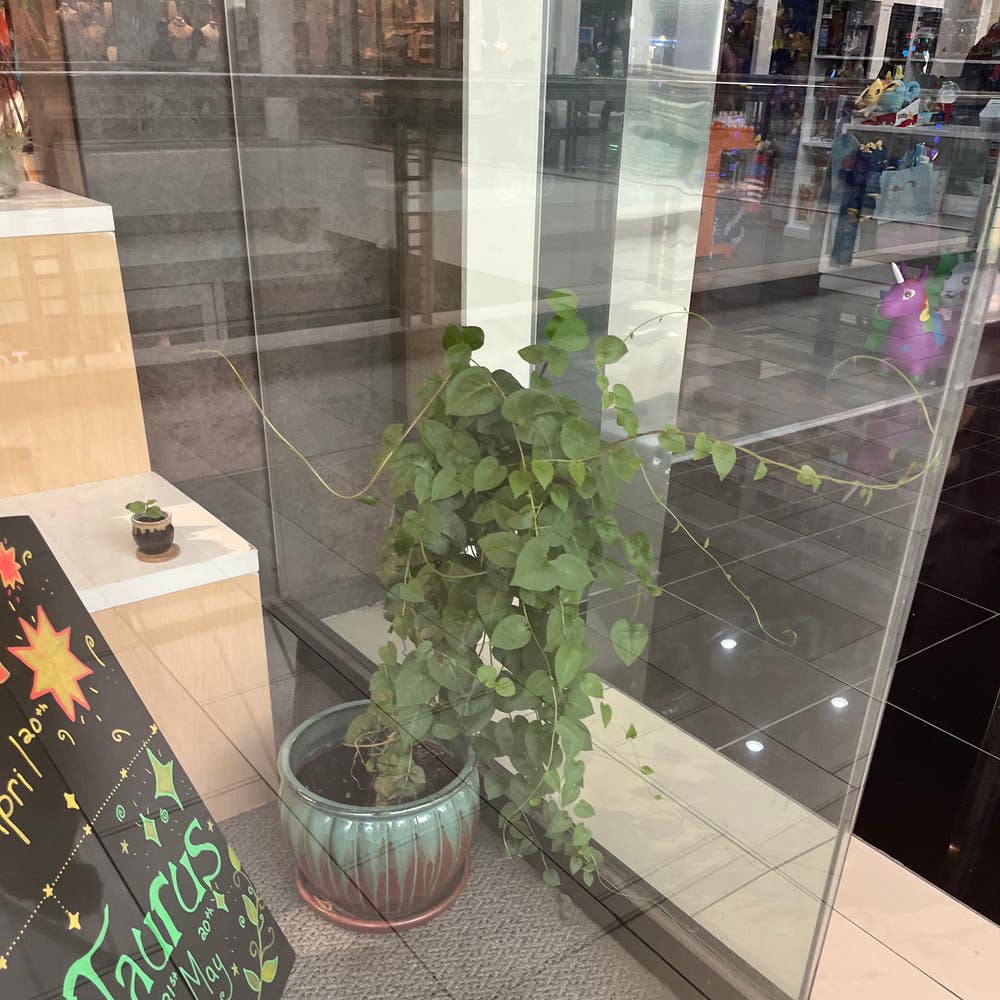
Why Are the Leaves on My Madeira Vine Turning Yellow?
Anredera cordifolia
By the Greg Editorial Team
Jun 18, 2024•5 min read
This article was created with the help of AI so we can cover more plants for you. May contain errors. See one? Report it here.
- Nutrient deficiencies and water issues are top causes of yellow leaves.
- 🌱 Regular monitoring and proper care prevent and address yellowing.
- Adjust environment and practice pest control to maintain green leaves.
Spotting Trouble: Identifying Yellow Leaves on Madeira Vine
🍂 Recognizing the Symptoms
Yellow leaves on a Madeira Vine might just be the plant's way of saying goodbye to old growth. Don't freak out if you spot a yellow leaf or two; it's probably just the plant's version of spring cleaning. But, if your vine starts looking like it's prepping for autumn in spring, that's your cue to play plant detective.
🚨 When to Worry
Alarm bells should ring if the yellowing is widespread or if the new growth looks sickly. If your vine's leaves are throwing a yellow party and the newbies are joining in, it's time to dig deeper. Keep an eye out for other signs of distress like wilting, spots, or growth that seems stunted. If the leaves are also playing drop-the-mic, you've got a bigger problem than just a color swap.

The Usual Suspects: Common Causes of Yellow Leaves
💡 Nutrient Shortfalls
Nitrogen is like the plant's protein, essential for green, leafy growth. When it's lacking, older leaves turn a sad shade of yellow as the plant reallocates its scant supplies to sprout new growth. Iron deficiency is another green-thief, leaving new leaves pale and wan. Without enough potassium, leaf edges get a yellow trim, and a magnesium shortage sketches yellow patterns between leaf veins.
🚰 Water Woes
Too much love in the form of water can drown your Madeira Vine's roots, leading to yellow leaves that feel as overdone as a bad reality show. Conversely, underwatering turns the soil into a barren wasteland, with leaves yellowing and dropping like bad habits. Drainage is key; without it, you're hosting a root rot party, and yellow leaves are the uninvited guests.
🐜 Uninvited Guests: Pests and Diseases
Pests are the freeloaders of the plant world, and their damage often shows up as yellowing leaves. Be a detective; check both sides of the leaves for bugs or eggs. Spider mites and mealybugs are the usual suspects. Diseases like root rot can also cause yellow leaves, so keep an eye out for any funky patterns or spots that indicate something more sinister than a simple pest problem.

Turning Over a New Leaf: Fixing Yellow Leaves
🌱 Balancing the Diet: Soil and Fertilizer Fixes
Testing your soil is like giving your Madeira Vine a health check-up. If you've got a case of the yellows, it might be a cry for nutrients. Use a targeted fertilizer—think precision, not a scattergun approach. For deficiencies in nitrogen, iron, or magnesium, get specific. No one-size-fits-all here.
💧 Watering Wisdom
Watering is less about drenching and more about consistency. Establish a rhythm—your Madeira Vine craves a steady beat, not a freestyle splash. Ensure proper drainage; it's the difference between a plant spa and a swamp. Overwatering is a surefire way to turn those leaves yellow with distress.
🐜 Pest and Disease Defense Tactics
When pests and diseases crash the party, it's time for some bouncer action. Insecticidal soaps or neem oil can show those bugs the door. For diseases, remember that water can be an accomplice; avoid the splash and go for the soak. Proper watering can thwart many a fungal invasion before it begins.

Keeping the Green: Preventing Yellow Leaves in the Future
🕵️ Routine Checks and Balances
Regular monitoring is crucial to prevent the yellowing of Madeira Vine leaves. Like a hawk eyeing its prey, keep a close watch on your plant's health. Inspect leaves for early signs of stress or discoloration, and act swiftly to correct any issues. Remember, a little attention goes a long way in maintaining that lush green foliage.
🌿 Creating the Ideal Environment
Adjusting your Madeira Vine's environment can stave off yellow leaves. Ensure it's not too hot or cold; these vines dislike dramatic temperature swings. Keep them away from drafts and direct air from vents. Humidity levels should be just right—not too muggy, not too dry. Think of it as setting the thermostat for a tropical vacation, right in your living room.
💧 Soil Moisture: The Sweet Spot
The soil moisture should hit the Goldilocks zone: not too wet, not too dry. Use the finger test to gauge moisture levels, aiming for that damp sponge feel. Overwatering invites root rot, while underwatering sends your vine into survival mode, neither of which will keep your plant happy or its leaves green.
💨 Airflow: Breathe Easy
Good air circulation is the silent guardian of plant health. It wards off pests and diseases that can cause yellowing. Space out your indoor plants for a breath of fresh air, and outdoors, don't let them get too cozy with each other. Think of it as social distancing for plants.
🌞 Light: Avoid the Extremes
Your Madeira Vine's relationship with light is complicated. Too much sun and the leaves might throw a fit, too little and they'll lose their spark. Aim for bright, indirect light—a cozy spot where it's bright enough to read a book, but not so bright that you'd need sunglasses.
🥦 Nutrient Balance: Not Too Much, Not Too Little
Fertilize with care. Your vine needs a balanced diet, especially during the growing season. But come winter, ease up. Overfeeding can lead to nutrient overload, underfeeding to malnutrition. It's like feeding a toddler—you want them full, but not with candy.
🐜 Pest Control: Stay On Guard
Pests are like uninvited guests at a party—they show up unannounced and wreak havoc. Keep an eye out for these critters and show them the door at the first sign of trouble. A healthy, well-cared-for Madeira Vine is less likely to attract these pests, so prevention really is the best cure.
⚠️ Safety First
This content is for general information and may contain errors, omissions, or outdated details. It is not medical, veterinary advice, or an endorsement of therapeutic claims.
Always consult a qualified healthcare professional before using any plant as food, medicine, or supplement.
Never eat any plant (or feed one to pets) without confirming its identity with at least two trusted sources.
If you suspect poisoning, call Poison Control (800) 222-1222, the Pet Poison Helpline (800) 213-6680, or your local emergency service immediately.
Spotted an error? Please report it here.
Keep your Madeira Vine's leaves lustrous 💚 with Greg's tailored care reminders, helping you nip yellowing in the bud by ensuring just-right watering and pest vigilance.