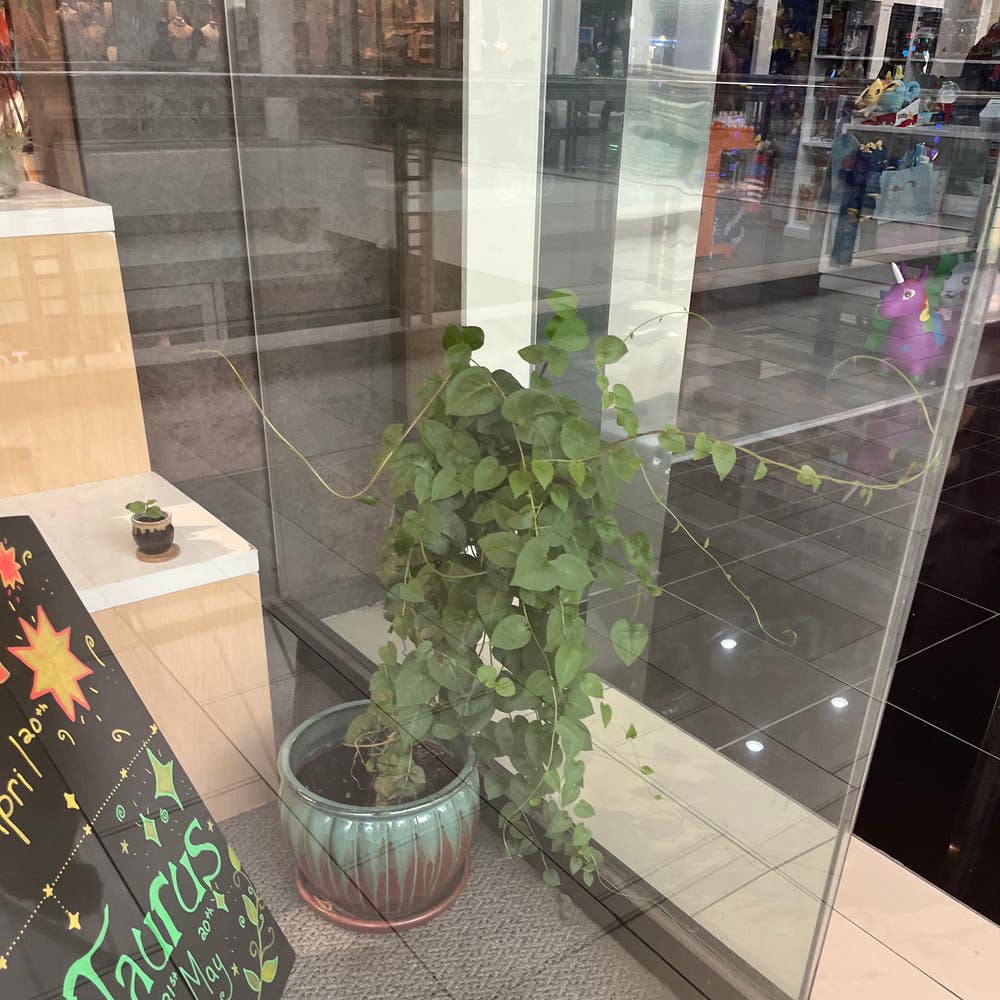
📏 How Big a Madeira Vine Gets
Anredera cordifolia
By the Greg Editorial Team
Sep 30, 2024•5 min read
This article was created with the help of AI so we can cover more plants for you. May contain errors. See one? Report it here.
- 🌱 Madeira vines grow 20-30 feet tall in optimal conditions; manage with pruning.
- 🌞 Full sun and nutrient-rich soil are crucial for maximum growth and spread.
- ✂️ Regular pruning keeps size manageable; ideal in late winter or early spring.
Mature Height and Spread
Mature Height 🌱
The Madeira vine typically reaches a height range of 20 to 30 feet. Several factors can influence this height, including the presence of support structures like trellises or fences and the pruning practices employed by the gardener.
Mature Spread 🌿
In terms of spread, the Madeira vine can cover large areas, often exceeding 10 feet in width. Its climbing nature allows it to spread rapidly, potentially creating dense foliage if left uncontrolled.
This impressive growth can be both a blessing and a challenge. Understanding how to manage its height and spread is essential for maintaining a healthy and visually appealing garden.
Next, we’ll explore the growth rate and the time it takes for the Madeira vine to reach its full size.
Growth Rate and Time to Full Size
🌱 Growth Rate
Madeira vines are known for their rapid growth. Under optimal conditions, they can shoot up several feet in just one season.
This vigorous growth means that, with the right care, you could see them reach their maximum height in as little as 2 to 3 years.
⏳ Time to Full Size
When it comes to achieving full size, Madeira vines typically take about 3 to 5 years.
However, this timeline can vary based on environmental factors like soil quality, sunlight, and watering practices.
Understanding these growth dynamics can help you plan effectively for your garden. Whether you’re looking to create a lush green wall or a vibrant trellis, knowing how quickly these vines grow is essential for your landscaping goals.
As you consider the growth rate and time to full size, it’s also important to think about how different growing conditions can impact the overall size of your Madeira vine.
Size Variability Based on Growing Conditions
🌍 Environmental Impact on Size
The size of a Madeira vine is significantly influenced by its growing conditions. Soil type and quality play a crucial role; well-draining, nutrient-rich soils can lead to impressive growth, while poor soil can stunt development.
☀️ Sunlight Exposure
Sunlight exposure is another key factor. Vines basking in full sun for 6-8 hours daily typically achieve maximum height and spread. In contrast, those in partial shade may not reach their full potential.
💧 Watering Practices
Watering practices also matter. Consistent moisture is essential for vigorous growth, but be cautious—overwatering or drought can hinder size. Striking the right balance is crucial for thriving plants.
🌡️ Climate and Temperature Influences
Finally, consider climate and temperature influences. Madeira vines thrive in tropical and subtropical climates, where they can flourish. Cooler climates may slow their growth and reduce mature size, so location is key.
Understanding these environmental factors can help you cultivate a robust Madeira vine, ensuring it reaches its full potential. Next, let’s explore the fascinating world of dwarf and giant varieties.
Dwarf and Giant Varieties
Dwarf Varieties 🌱
Dwarf Madeira vine cultivars typically reach heights of 5 to 10 feet. These compact plants are perfect for smaller spaces or container gardening, making them a great choice for urban settings.
Their manageable size allows for easy maintenance while still providing the lush greenery and vibrant blooms that Madeira vines are known for. If you're looking to add a touch of greenery without overwhelming your space, dwarf varieties are an excellent option.
Giant Varieties 🌳
On the other end of the spectrum, giant Madeira vine cultivars can exceed standard heights, reaching up to 40 feet. These vigorous growers can quickly dominate a garden, making them ideal for creating dramatic vertical landscapes.
However, their robust growth requires more management. Regular pruning and support structures are essential to keep these giants in check and ensure they thrive without taking over your garden.
Understanding the differences between dwarf and giant varieties helps you choose the right Madeira vine for your needs. Whether you want a petite plant for a cozy corner or a towering vine to make a statement, there's a Madeira vine for every garden.
As we explore further, let’s dive into how to control the size of these vines effectively.
Controlling Size
Pruning Techniques for Size Management ✂️
To keep your Madeira vine in check, regular trimming is essential. This practice helps maintain your desired height and spread, ensuring it doesn’t overtake your garden.
Timing is crucial; aim to prune in late winter or early spring, just before new growth begins. This allows the plant to flourish while staying within your preferred dimensions.
Training Methods to Control Growth 🏗️
Support structures play a vital role in managing your vine's growth direction. Utilizing trellises can guide the vine upward, preventing it from sprawling uncontrollably.
Additionally, tying the vines to supports can help manage their spread effectively. This method not only controls size but also enhances the overall aesthetic of your garden.
Seasonal Considerations for Pruning 📅
When it comes to the best times for pruning, early spring is ideal for shaping your Madeira vine. This timing allows for a fresh start as the growing season kicks off.
Late summer is another key period for maintenance and size control. Regular attention during these times will keep your vine healthy and manageable.
With these techniques, you can enjoy the beauty of your Madeira vine without letting it dominate your space. Next, let’s explore the fascinating world of dwarf and giant varieties to see how they can fit into your gardening plans.
⚠️ Safety First
This content is for general information and may contain errors, omissions, or outdated details. It is not medical, veterinary advice, or an endorsement of therapeutic claims.
Always consult a qualified healthcare professional before using any plant as food, medicine, or supplement.
Never eat any plant (or feed one to pets) without confirming its identity with at least two trusted sources.
If you suspect poisoning, call Poison Control (800) 222-1222, the Pet Poison Helpline (800) 213-6680, or your local emergency service immediately.
Spotted an error? Please report it here.
Master the art of managing your Madeira vines for a stunning garden display 🌱, and let Greg guide you with tailored care tips and reminders to help your plants flourish without overwhelming your space!