🌸 Growth Rate of Vriesea 'Astrid'
Vriesea 'Astrid'
By the Greg Editorial Team
Sep 30, 2024•4 min read
This article was created with the help of AI so we can cover more plants for you. May contain errors. See one? Report it here.
- 🌱 Vriesea 'Astrid' germinates in 2-4 weeks with optimal conditions for success.
- 🌞 Ideal temperatures are 20°C to 30°C; humidity should be 60% or higher.
- 🌼 Flowers appear 2-3 years post-germination, attracting pollinators with colorful bracts.
Germination Stage
Duration of Germination 🌱
The germination of Vriesea 'Astrid' typically takes 2 to 4 weeks. Several factors can influence this timeframe, including temperature, humidity, and light conditions.
Conditions for Successful Germination 🌞
To ensure successful germination, aim for an ideal temperature between 20°C to 25°C (68°F to 77°F).
- Humidity: Maintain levels of 60% or higher.
- Light Exposure: Provide indirect sunlight or filtered light.
- Soil Medium: Use a well-draining, sterile mix, such as a combination of peat and perlite.
These conditions create a nurturing environment for your seeds, setting the stage for healthy growth.
As you prepare for the next stages, remember that the right start can make all the difference in your plant's journey.
Seedling Stage
🌱 Characteristics of Seedlings
During the seedling stage, Vriesea 'Astrid' plants typically reach an initial height of 1-2 inches. Their leaves are thin and delicate, forming a charming rosette that adds a touch of elegance to any space.
The coloration starts as a light green, gradually deepening as the plant matures. This transformation is a sign of healthy growth and vitality.
⏳ Duration and Care During This Stage
Seedlings require about 6-12 months to develop into robust plants. During this time, consistent care is essential for their success.
Watering is crucial; keep the soil consistently moist but avoid sogginess. Overwatering can lead to root rot, so it's a delicate balance.
Fertilization should be light, using a diluted bromeliad fertilizer every 4-6 weeks. This approach ensures that seedlings receive the nutrients they need without overwhelming them.
As you nurture your seedlings, you'll witness their growth and transformation. This stage is a rewarding journey that sets the foundation for future development.
With proper care, your Vriesea 'Astrid' will soon transition into the vegetative growth stage, where it will flourish even more.
Vegetative Growth
Growth Patterns and Duration 🌱
The vegetative growth stage of Vriesea 'Astrid' lasts about 1 to 2 years, during which the plant establishes itself. You'll notice a beautiful rosette formation with broad, arching leaves that create a striking visual appeal.
At maturity, these plants can reach impressive sizes, expanding up to 2 feet in diameter. This growth is not just about size; it’s about the lush, vibrant foliage that enhances any space.
Environmental Factors Affecting Growth 🌤️
Light is crucial for Vriesea 'Astrid.' It thrives in bright, indirect light but can adapt to lower light conditions if necessary.
Humidity plays a significant role as well; this plant flourishes in environments with humidity levels between 50% and 70%.
Temperature is another key factor, with optimal growth occurring at temperatures ranging from 22°C to 30°C (72°F to 86°F). Keeping these conditions in check will ensure your plant grows robustly and healthily.
In summary, providing the right light, humidity, and temperature will set the stage for vibrant vegetative growth. Next, we’ll explore the flowering stage and what to expect as your Vriesea 'Astrid' matures.
Flowering Stage
🕒 Timeframe for Flowering
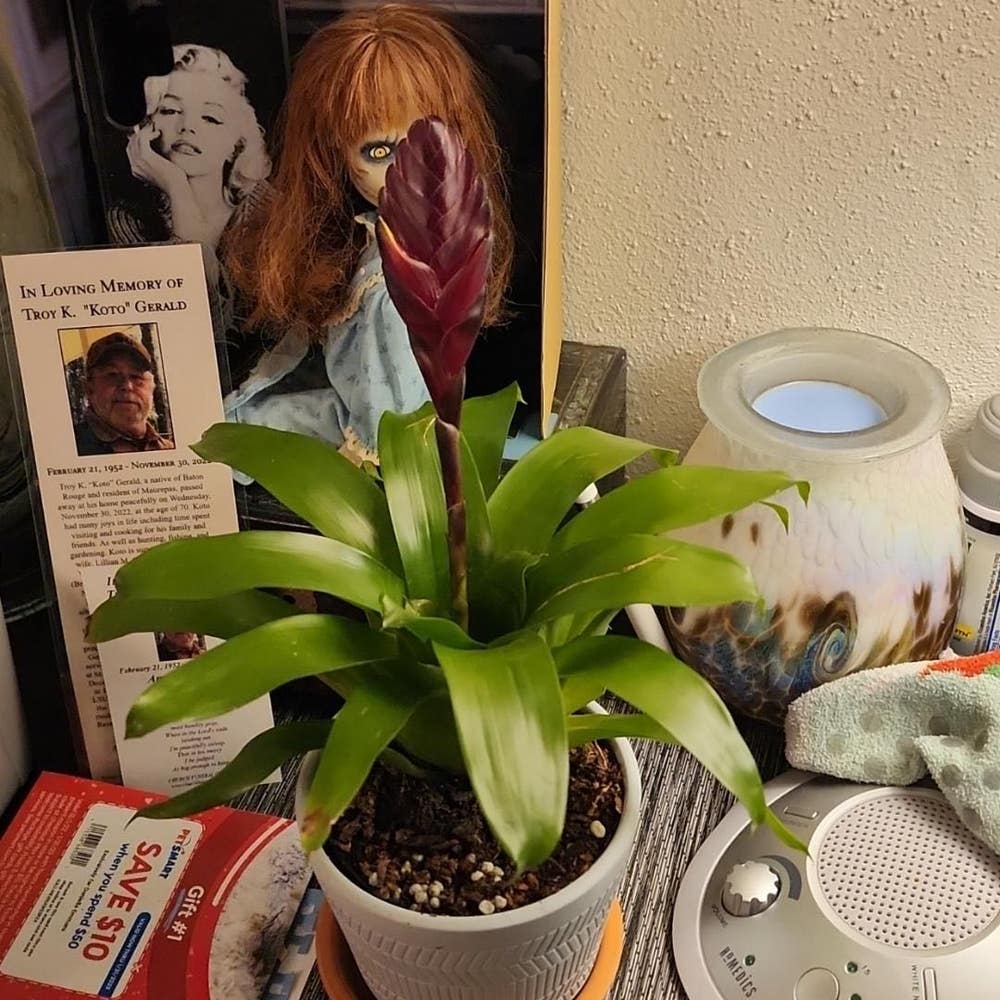
The journey to the first bloom of Vriesea 'Astrid' typically spans 2-3 years after germination. Once it starts flowering, expect a vibrant display lasting several months, with the peak occurring in summer.
🌺 Description of Flowering Process
The inflorescence of Vriesea 'Astrid' is a sight to behold, featuring striking, colorful bracts that cradle small flowers. This plant attracts pollinators, primarily hummingbirds and insects, eager to partake in its beauty.
After the flowering phase, the plant may produce offsets, commonly known as pups. These pups are a fantastic way to propagate your Vriesea, ensuring its legacy continues in your garden or home.
As you nurture your Vriesea 'Astrid', keep an eye on its flowering stage. It’s a rewarding experience that showcases the plant's transformation and vitality, leading seamlessly into the next phase of its life cycle.
Overall Lifespan and Growth Rate
🌱 How Long Until Fully Grown?
The Vriesea 'Astrid' takes about 2-3 years to reach full maturity from seed or cutting. This timeline can vary based on environmental conditions, care practices, and genetic factors.
⚡️ Factors Influencing Growth Rate
Several key elements can speed up the growth of your Vriesea 'Astrid':
- Light Exposure: More light can significantly accelerate growth.
- Watering Practices: Keeping the soil consistently moist promotes faster development.
- Nutrient Availability: Regular feeding with suitable fertilizers enhances overall growth.
🔄 Notable Changes Throughout the Life Cycle
As your Vriesea 'Astrid' matures, you'll notice some fascinating transformations:
- Seedlings to Rosettes: The delicate seedlings evolve into robust rosettes.
- Color Changes: During flowering, expect brightening bracts and the emergence of vibrant flowers.
- Offsets Development: After flowering, the plant may produce offsets (or pups), which are great for propagation.
These stages not only highlight the plant's growth but also offer a rewarding experience for any gardener. Understanding these changes can help you provide the best care possible, ensuring your Vriesea 'Astrid' thrives beautifully.
Next, we’ll explore the flowering stage, where the plant truly showcases its stunning beauty.
⚠️ Safety First
This content is for general information and may contain errors, omissions, or outdated details. It is not medical, veterinary advice, or an endorsement of therapeutic claims.
Always consult a qualified healthcare professional before using any plant as food, medicine, or supplement.
Never eat any plant (or feed one to pets) without confirming its identity with at least two trusted sources.
If you suspect poisoning, call Poison Control (800) 222-1222, the Pet Poison Helpline (800) 213-6680, or your local emergency service immediately.
Spotted an error? Please report it here.
Nurture your Vriesea 'Astrid' to thrive in just 2 to 4 weeks 🌱 with Greg's tailored care reminders that ensure perfect humidity and light for your plant's success!