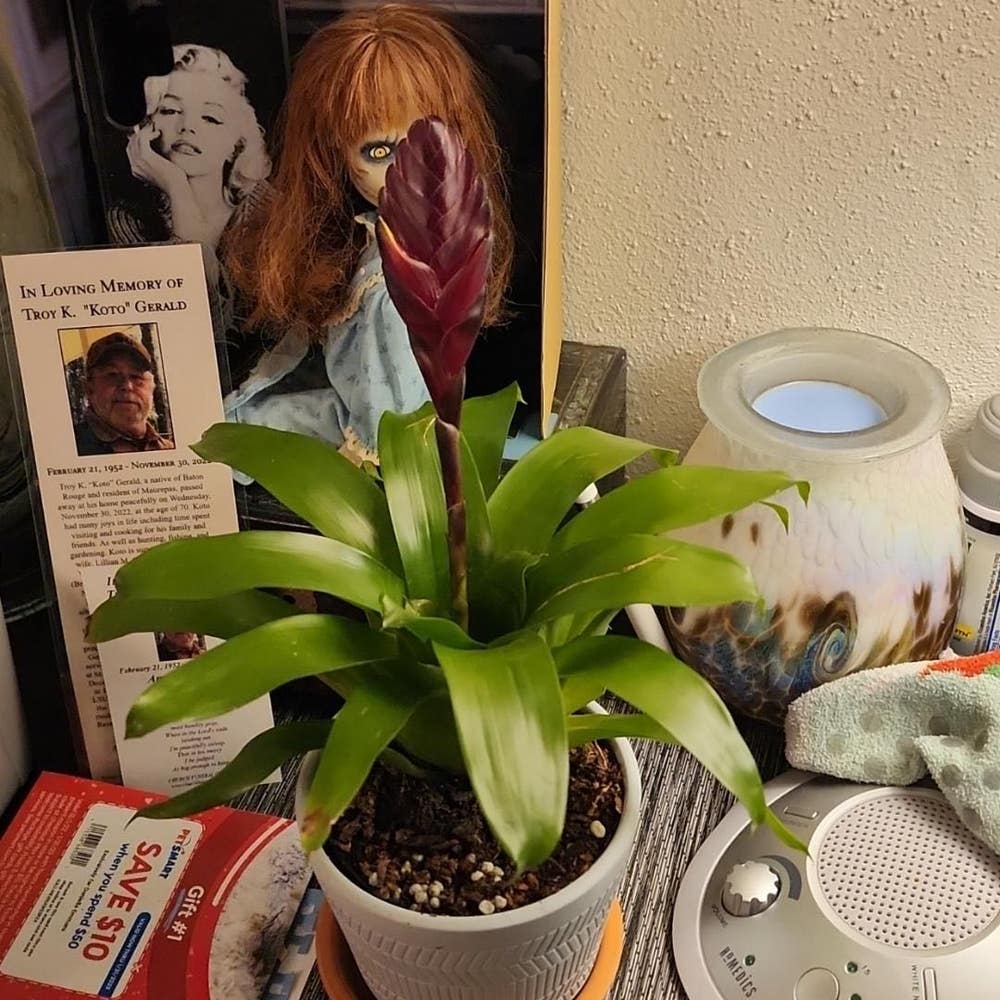
🐝 Step-by-Step Guide to Pollinating Vriesea 'Astrid'
Vriesea 'Astrid'
By the Greg Editorial Team
Sep 30, 2024•6 min read
This article was created with the help of AI so we can cover more plants for you. May contain errors. See one? Report it here.
- 🌸 Vriesea 'Astrid' attracts pollinators with vibrant flowers and sweet scents.
- 🐝 Self and cross-pollination enhance seed production and genetic diversity.
- 🌿 Creating a pollinator-friendly garden boosts reproductive success and ecosystem health.
Flower Structure
Description of Characteristics 🌺
Vriesea 'Astrid' features stunning tubular flowers that create a striking visual appeal. Their elongated shape not only captivates the eye but also serves a functional purpose in attracting pollinators.
The vibrant colors of these flowers, ranging from bright reds to deep yellows, play a crucial role in drawing in bees and hummingbirds. These hues act as beacons, signaling to pollinators that nectar is readily available.
The arrangement of petals, sepals, stamens, and pistils in the inflorescence is meticulously designed. Petals form a protective layer around the reproductive parts, while the stamens and pistils are strategically positioned to facilitate both self-pollination and cross-pollination.
Role in Pollination 🐝
The unique flower structure of Vriesea 'Astrid' enhances its ability to self-pollinate. The close proximity of stamens and pistils allows for easy transfer of pollen, ensuring successful fertilization even in the absence of pollinators.
However, the design also encourages cross-pollination. The enticing colors and sweet scents attract specific pollinator species, such as bees and hummingbirds, which are essential for genetic diversity and robust seed production.
By understanding the flower's characteristics, gardeners can appreciate how these elements work together to support the plant's reproductive success. This knowledge not only enriches the gardening experience but also fosters a deeper connection with nature.
Pollination Process
🌱 Self-Pollination Process
Vriesea 'Astrid' has a fascinating self-pollination mechanism. The flower's structure allows it to transfer pollen from its own stamens to its pistils, ensuring fertilization even in the absence of external pollinators.
Self-pollination offers significant benefits, including increased plant health and reliable seed production. This process helps maintain genetic stability and ensures that the plant can thrive in various conditions.
🐝 Cross-Pollination Process
While self-pollination is effective, Vriesea 'Astrid' also welcomes cross-pollination. Primary pollinators include bees and hummingbirds, attracted by the flower's vibrant colors and sweet scent.
The unique tubular shape of the flowers plays a crucial role in luring these pollinators. As they seek nectar, they inadvertently transfer pollen between flowers, enhancing genetic diversity.
🌼 Interaction of Pollinator Species
The interactions between Vriesea 'Astrid' and its pollinators are truly remarkable. Bees, for instance, are drawn to the flower's bright hues and rich nectar, while hummingbirds are captivated by its shape and fragrance.
These interactions not only boost pollination success but also contribute to the overall health of the plant. A thriving pollinator population ensures that Vriesea 'Astrid' can produce abundant seeds, fostering a vibrant ecosystem.
As we explore the next section on hand pollination, consider how these natural processes can be complemented by human intervention for even greater success.
Hand Pollination
Step-by-Step Instructions
Identifying Male and Female Flower Parts
To successfully hand-pollinate Vriesea 'Astrid', start by identifying the flower's male and female parts. The stamens, which are the male components, produce pollen, while the pistils serve as the female parts that receive pollen.
Collecting Pollen
Next, you'll want to collect the pollen. Gently remove the pollen from the stamens using a small brush or your fingertip, ensuring you don’t damage the delicate structures.
Transferring Pollen
Once you have the pollen, it’s time to transfer it to the pistils. Lightly apply the collected pollen to the sticky stigma of the pistil, ensuring good contact for successful fertilization.
⏰ Timing for Hand Pollination
Timing is crucial for effective hand pollination. The best time to perform this task is during the morning when the flowers are fully open and the pollen is most viable. This ensures the highest chances of successful fertilization.
By following these steps, you can enhance the pollination success of Vriesea 'Astrid', ensuring a healthy plant and abundant seed production. Next, let’s explore how to create a pollinator-friendly environment to support these beautiful plants.
Supporting Pollinators
🌼 Creating a Pollinator-Friendly Environment
Creating a habitat that attracts pollinators is essential for the health of Vriesea 'Astrid'. Start by planting a variety of flowering plants that bloom at different times to provide a continuous food source.
Consider incorporating native plants, as they are more likely to attract local pollinators. Avoid using pesticides, which can harm beneficial insects and disrupt the delicate balance of your garden.
🌍 Importance of a Diverse Plant Ecosystem
A diverse plant ecosystem supports a wider range of pollinators. This diversity not only enhances pollination success but also contributes to the overall resilience of your garden.
By fostering a mix of plants, you create a vibrant environment that encourages bees, hummingbirds, and other pollinators to thrive.
🌿 Companion Plants
Companion plants can significantly enhance the pollination process for Vriesea 'Astrid'. Consider planting species like lavender, salvia, or bee balm, which are known to attract beneficial pollinators.
These plants not only draw in pollinators but also provide additional nectar sources, boosting the overall health of your garden.
🐝 Enhancing the Pollination Process
Companion plants can create a more inviting atmosphere for pollinators. Their scents and colors can lure in bees and hummingbirds, increasing the chances of successful cross-pollination for Vriesea 'Astrid'.
By strategically selecting companion plants, you can create a thriving ecosystem that supports both your bromeliad and its pollinators.
As you cultivate a pollinator-friendly environment, you'll not only enhance the beauty of your garden but also contribute to the vital process of pollination. This sets the stage for exploring the challenges that can arise in ensuring successful pollination.
Pollination Challenges
Common Obstacles 🌪️
Pollination can be a tricky business for Vriesea 'Astrid'. Environmental factors like temperature and humidity can significantly hinder the process.
High temperatures may cause flowers to wilt, while excessive humidity can lead to fungal issues, both of which deter pollinators. Additionally, a decline in pollinator populations, such as bees and hummingbirds, poses a serious threat to the plant's reproductive success.
Solutions for Overcoming Challenges 🌱
To boost pollination success, consider creating a more conducive environment. Start by monitoring temperature and humidity levels, ensuring they remain within optimal ranges for Vriesea 'Astrid'.
You can also enhance your garden's appeal to pollinators. Planting a variety of flowering species will attract more beneficial insects and birds, increasing the chances of successful cross-pollination.
Adjusting care practices, like providing adequate water and nutrients, can also support the plant's health, making it more resilient against environmental stressors.
By taking these steps, you can help Vriesea 'Astrid' thrive and ensure its pollination process runs smoothly.
Next, let’s explore how to hand pollinate this beautiful plant effectively.
⚠️ Safety First
This content is for general information and may contain errors, omissions, or outdated details. It is not medical, veterinary advice, or an endorsement of therapeutic claims.
Always consult a qualified healthcare professional before using any plant as food, medicine, or supplement.
Never eat any plant (or feed one to pets) without confirming its identity with at least two trusted sources.
If you suspect poisoning, call Poison Control (800) 222-1222, the Pet Poison Helpline (800) 213-6680, or your local emergency service immediately.
Spotted an error? Please report it here.
Unlock the secrets of successful pollination 🌸 for your Vriesea 'Astrid' with these tips, and let Greg guide you with personalized care reminders to ensure your garden thrives!