How to Get a Vriesea 'Astrid' to Bloom
Vriesea 'Astrid'
By the Greg Editorial Team
Mar 24, 2024•4 min read
This article was created with the help of AI so we can cover more plants for you. May contain errors. See one? Report it here.
- Maturity is key: Vriesea 'Astrid' blooms after 3-5 years.
- Light and climate matter: Bright, indirect light and 65°-80°F with 40-60% humidity.
- Nutrients for blooms: Use balanced fertilizer, especially phosphorus, for flower development.
Timing the Show: When to Expect Blooms
🌸 Seasonal Blooming Patterns
Vriesea 'Astrid' typically blooms once it has reached maturity, which can take 3 to 5 years. The blooming season for this plant is not set in stone, but it often aligns with its natural tropical habitat's conditions. As a general rule, expect the floral show to kick off in the warmer months, when daylight hours increase.
🕵️ How to Recognize Signs of Blooming
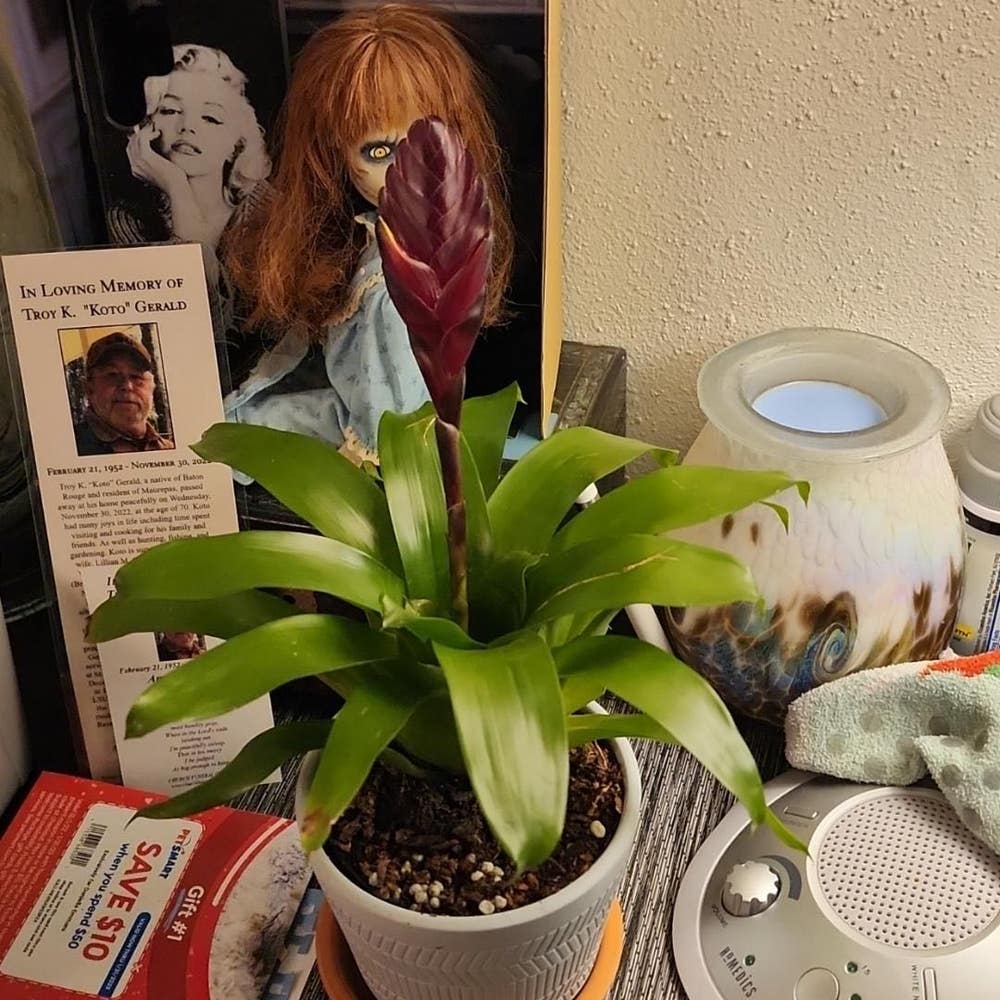
Keep an eye out for a change in color at the plant's center. This blushing is a telltale sign that your Vriesea 'Astrid' is gearing up for its blooming phase. Additionally, the emergence of an inflorescence—a tall, central spike—will herald the upcoming bloom.
🎂 Age and Maturity Matters
Understanding the blooming age of your Vriesea 'Astrid' is crucial. Patience is key, as these plants won't rush their debut. Once they reach the 3 to 5-year mark, they're more likely to produce their stunning flowers, which can last for several months.
🌱 The Role of Plant Maturity in Flowering
Maturity isn't just about age; it's about the plant's overall health and development. A Vriesea 'Astrid' with robust growth and a well-formed rosette of leaves is more likely to bloom. It's as if the plant is signaling it's ready to put on its show.
Crafting the Perfect Environment
💡 Light: The Bloom Igniter
Bright, indirect light is the key to unlocking the Vriesea 'Astrid's potential for blooming. To achieve this, place your plant near a window where it can bask in the sunlight without being exposed to the harsh midday rays. Rotate your plant periodically to ensure all sides receive equal light, promoting even growth and bloom development.
🌡️ Temperature and Humidity: The Tropical Duo
Vriesea 'Astrid' thrives in warm temperatures ranging from 65° to 80°F (18° - 27°C). Maintaining a humidity level between 40-60% mirrors the plant's natural tropical habitat, encouraging it to flower. Use a hygrometer to monitor these conditions, and consider a humidifier or pebble tray to maintain consistent humidity. Ensure good air circulation around your plant to prevent mold growth and keep the environment fresh.
Feeding for Flowers: Nutritional Support
💪 The Role of Nutrients in Flower Development
Nutrients are the unsung heroes in the blooming tale of Vriesea 'Astrid'. They're like a backstage crew, essential yet often overlooked. For your plant to put on a floral show, it needs a balanced diet, rich in phosphorus to promote bud formation. Nitrogen is great for leafy growth, but when it's showtime, it's phosphorus that takes the lead role. Adjust your feeding to a lower nitrogen and higher phosphorus mix as the bloom season approaches.
🌱 Choosing the Right Fertilizer
When it comes to fertilizers, think of them as the plant's personal trainers, each with a different plan for success. Bloom-boosting fertilizers are your best bet, often sporting a ratio like 2-3-1 to encourage those Vriesea 'Astrid' blooms. Go for a balanced, water-soluble option, or if you're feeling organic, bone meal can be your slow-release phosphorus powerhouse. Remember, timing is crucial—start feeding a couple of months before the expected bloom and stick to the script. Overfeeding is the equivalent of overtraining; it can do more harm than good. Keep an eye on the plant's response and adjust as needed, because in the end, it's the plant, not the fertilizer, that takes center stage.
Overcoming Bloom Blockers: Troubleshooting Tips
🌧️ Common Culprits of Bloom Failure
Watering can make or break your Vriesea 'Astrid's' chance to bloom. Too much water leads to root rot, while too little leaves the plant stressed and bloomless. Aim for moist soil without making it soggy.
Pests like aphids and mealybugs are bloom thieves, diverting energy from flower production. Regular inspection and prompt treatment are key to keeping these pests in check.
Patience and Persistence
Patience isn't just a virtue; it's a necessity in the blooming game. If your plant isn't blooming, it might simply need more time to reach maturity. Don't rush it; good things come to those who wait.
Adjusting lighting conditions can coax out blooms. If your home is dim, consider a grow light to simulate the bright, indirect light Vriesea 'Astrid' craves.
Airflow and humidity are critical. These plants love moisture in the air but detest stagnation. Use a humidifier or pebble tray to maintain humidity, and ensure good air circulation to prevent fungal issues.
Fertilization is a balancing act. A phosphorus-rich fertilizer can encourage blooms, but over-fertilization fattens foliage at the expense of flowers. Water with filtered or rainwater to avoid mineral buildup.
Pruning isn't just for aesthetics. Removing old growth can redirect the plant's energy toward blooming. Prune with purpose and watch your plant thank you with flowers.
If your efforts don't seem to pay off, consider seeking advice from gardening communities or a local horticulturist. Sometimes, a fresh pair of eyes can spot issues that are easy to miss.
⚠️ Safety First
This content is for general information and may contain errors, omissions, or outdated details. It is not medical, veterinary advice, or an endorsement of therapeutic claims.
Always consult a qualified healthcare professional before using any plant as food, medicine, or supplement.
Never eat any plant (or feed one to pets) without confirming its identity with at least two trusted sources.
If you suspect poisoning, call Poison Control (800) 222-1222, the Pet Poison Helpline (800) 213-6680, or your local emergency service immediately.
Spotted an error? Please report it here.
Patience pays off when you let Greg nurture 🌱 your Vriesea 'Astrid' with custom care plans, ensuring it blooms beautifully in its own time.