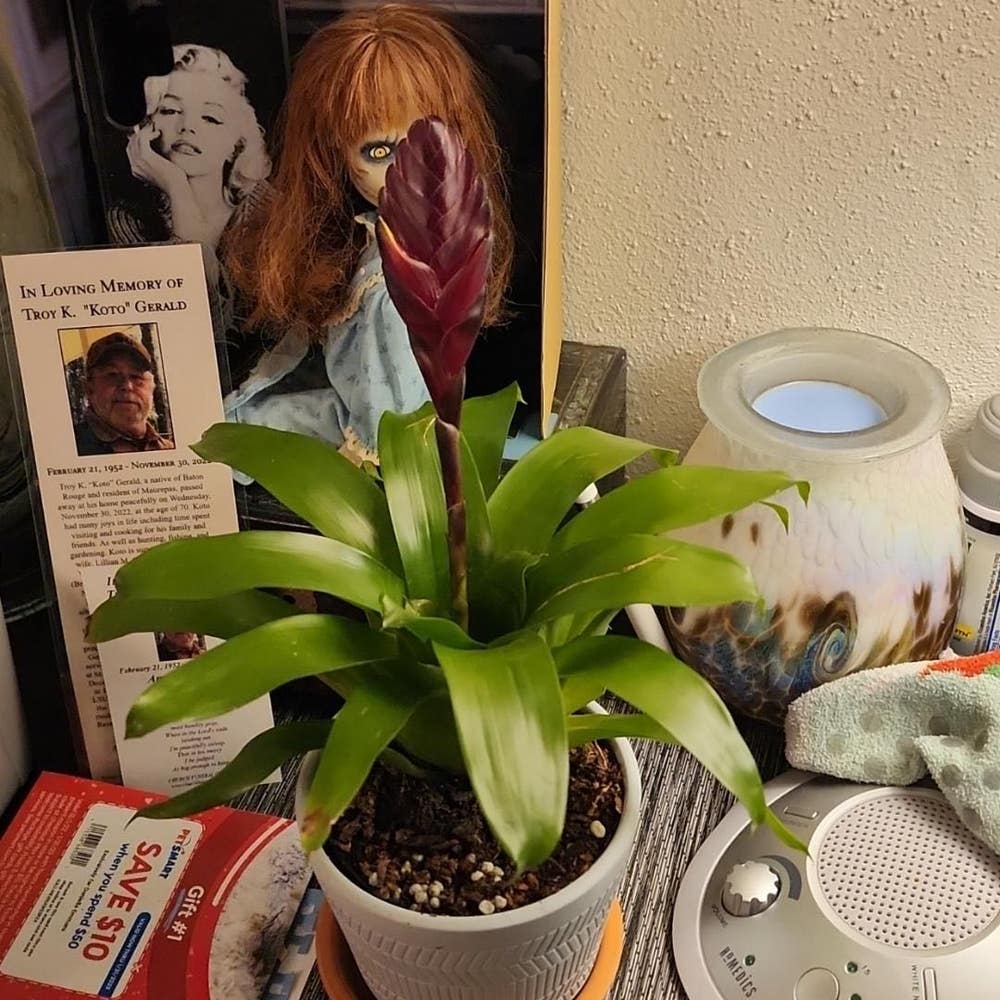
💧 6 Indoor Care Tips for Vriesea 'Astrid'
Vriesea 'Astrid'
By the Greg Editorial Team
Sep 30, 2024•4 min read
This article was created with the help of AI so we can cover more plants for you. May contain errors. See one? Report it here.
- 🌞 Vriesea 'Astrid' thrives in bright, indirect light; adapt to lower light if needed.
- 💧 Water every 1-2 weeks in the central cup to keep it hydrated.
- 🌬️ Maintain humidity between 50-70% for optimal growth and pest prevention.
Light Requirements
Ideal Conditions 🌞
Vriesea 'Astrid' thrives in bright, indirect light but can adapt to lower light levels. Aim for 12-14 hours of light daily to keep your plant vibrant and healthy.
Using Grow Lights 💡
Grow lights are a fantastic way to supplement natural light, especially in dim areas.
Choosing the Best Grow Light
When selecting a grow light, consider the efficiency of LEDs versus fluorescent options. LEDs are energy-efficient and provide full-spectrum light, making them a great choice for your Vriesea. For small plants, a wattage of 10-20 watts is typically sufficient.
Placement Tips 🪴
Position your Vriesea near east or west-facing windows for optimal light exposure. Just be sure to avoid direct sunlight, as it can lead to unsightly leaf burn.
With the right light conditions, your Vriesea 'Astrid' will flourish, setting the stage for its other care needs. Next, let’s dive into the watering requirements to keep your plant hydrated and happy.
Watering Needs
Techniques 🌊
Caring for your Vriesea 'Astrid' involves a unique watering method. Fill the central cup of the rosette with water to keep it hydrated.
Watering frequency is crucial; check the cup regularly and refill when it's empty. Typically, this means watering every 1-2 weeks, depending on your home's humidity and temperature.
Signs of Overwatering vs. Underwatering 🚦
Recognizing the signs of overwatering is essential for your plant's health. Look for yellowing leaves and a mushy base, which indicate too much moisture.
On the flip side, underwatering can lead to leaf browning and dry tips. Keep an eye on your plant to ensure it thrives in its indoor environment.
With these watering tips, your Vriesea 'Astrid' will flourish beautifully. Next, let’s explore how to maintain optimal humidity for your plant's growth.
Humidity Control
🌧️ Ideal Levels
Maintaining the right humidity is crucial for your Vriesea 'Astrid'. Aim for an optimal range of 50-70% to ensure healthy growth.
💧 Methods
One effective way to boost humidity is by using a humidity tray. Simply place pebbles in a tray filled with water beneath the pot; this creates a microenvironment that keeps moisture levels up.
Another method is misting. Lightly mist the leaves 1-2 times a week, especially during dry conditions, to help your plant thrive.
By keeping humidity in check, you'll create a nurturing environment for your Vriesea 'Astrid'. This attention to detail will pay off in vibrant, healthy foliage.
Next, let’s explore the temperature preferences that will further enhance your plant's well-being.
Temperature Preferences
Ideal Range 🌡️
For Vriesea 'Astrid', the optimal temperature falls between 20°C to 30°C (68°F to 86°F). This range ensures vibrant growth and healthy foliage.
Seasonal Adjustments ❄️
During winter, it's crucial to keep your plant away from drafts and heating vents. Maintaining stable temperatures will help your Vriesea thrive, even in the colder months.
By paying attention to temperature, you set the stage for a flourishing indoor garden. Next, let’s explore the essential soil type and fertilization practices that will keep your Vriesea 'Astrid' healthy and happy.
Soil Type and Fertilization
Recommended Soil Mix 🌱
For Vriesea 'Astrid', a well-draining soil mix is essential. Opt for a blend specifically designed for bromeliads or orchids, as these plants thrive in airy environments.
The ideal soil components include pine bark, perlite, and sphagnum moss. This combination ensures proper aeration and drainage, preventing water from sitting around the roots.
Fertilization Schedule 📅
Fertilizing your Vriesea 'Astrid' is crucial for vibrant growth. Aim to fertilize every 4-6 weeks during the growing season, which spans spring and summer.
Use a balanced, water-soluble fertilizer, but remember to dilute it to half strength. This approach provides the necessary nutrients without overwhelming your plant.
With the right soil and fertilization routine, your Vriesea 'Astrid' will flourish beautifully. Next, let’s explore how to tackle common issues that may arise in your indoor gardening journey.
Common Issues and Solutions
🐛 Pest Prevention
Vriesea 'Astrid' can attract common pests like mealybugs, aphids, and spider mites. To keep these nuisances at bay, conduct regular inspections of your plant.
Maintaining humidity is crucial, as these pests thrive in dry conditions. If you spot any pests, using insecticidal soap can effectively eliminate them without harming your plant.
🛠️ Troubleshooting Tips
Always be on the lookout for signs of stress in your Vriesea. Yellowing leaves or wilting can indicate issues that need immediate attention.
Adjust your care routine based on what you observe. A little vigilance goes a long way in keeping your plant healthy and thriving.
By staying proactive, you can enjoy a flourishing Vriesea 'Astrid' without the headache of common issues.
⚠️ Safety First
This content is for general information and may contain errors, omissions, or outdated details. It is not medical, veterinary advice, or an endorsement of therapeutic claims.
Always consult a qualified healthcare professional before using any plant as food, medicine, or supplement.
Never eat any plant (or feed one to pets) without confirming its identity with at least two trusted sources.
If you suspect poisoning, call Poison Control (800) 222-1222, the Pet Poison Helpline (800) 213-6680, or your local emergency service immediately.
Spotted an error? Please report it here.
Keep your Vriesea 'Astrid' thriving 🌱 with tailored care tips and reminders from Greg, ensuring it gets the light, water, and humidity it craves for vibrant growth!