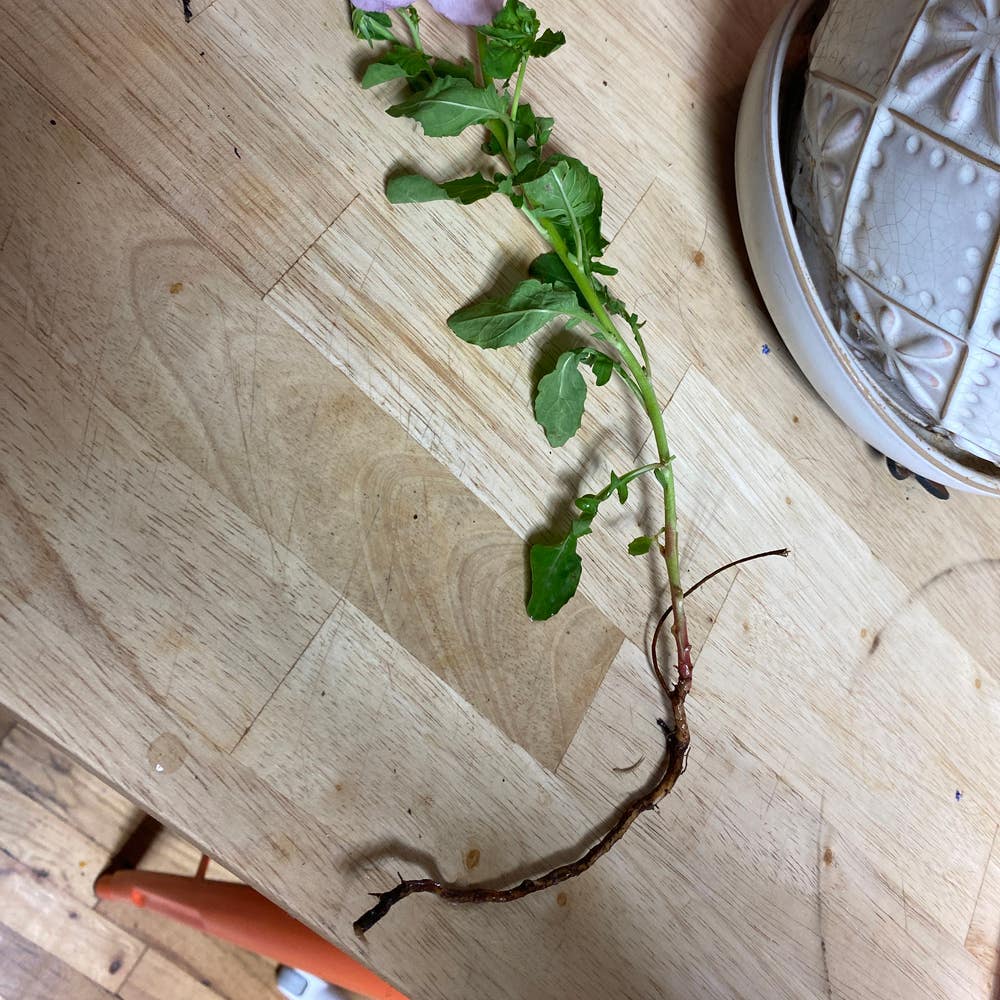
Why Are My Sundrops Leaves Falling Over?
Oenothera fruticosa
By the Greg Editorial Team
Mar 20, 2024•3 min read
This article was created with the help of AI so we can cover more plants for you. May contain errors. See one? Report it here.
Revive your droopy Sundrops 🌞 and ensure a lush, vibrant garden with these essential care tips.
- Overwatering and underwatering both lead to droopy Sundrop leaves.
- Bright, indirect sunlight and moderate temperatures are ideal for Sundrops.
- Well-draining, nutrient-rich soil is key to healthy Sundrop roots and leaves.
When Water Works Against You
🌊 Too Much of a Good Thing: Overwatering Woes
Soggy soil is a telltale sign of overwatering. Your Sundrops' leaves might droop as if begging for a drink, but the reality is they're drowning in excess moisture.
Root rot is the silent killer here. It starts unseen, below the surface, turning robust roots into mushy messes. Once the roots are compromised, the leaves can't help but follow suit, limping over in defeat.
🏜️ Thirsty Plants: The Underwatering Effect
Conversely, underwatering leaves your Sundrops looking like wilted warriors. They're tough, but they can't fight off the effects of neglect.
Leaves turn crispy, tips brown, and the soil feels like a dry wasteland. It's a clear message: your plant is parched and in desperate need of hydration.
Consistent watering is key. Not a deluge, not a drought, but a steady supply that keeps the soil moist like a well-squeezed sponge.
Soil Secrets: It's All About the Base
💦 Waterlogged Woes: Poor Drainage Drama
Soggy soil is a Sundrop's silent enemy. Poke the soil post-watering; if it clings like a needy ex, it's too wet. Roots need air, not a perpetual bath, to prevent drowning in dampness.
🪐 The Tight Squeeze: Soil Compaction Concerns
Compacted soil is like a tight corset for plant roots; it's restrictive and suffocating. Your Sundrops crave loose, breathable soil to thrive. Overly dense earth hinders water flow and root expansion, leading to a droopy demeanor.
Light and Temperature: Finding the Sweet Spot
🌞 Seeking the Sun: Light Levels for Lively Leaves
Sundrops thrive in the Goldilocks zone of light—too much and they're sunburnt, too little and they're etiolated. Aim for a spot that offers bright, indirect sunlight. It's like finding the perfect screen brightness; easy on the eyes, clear as day.
🌡️ Weathering the Weather: Temperature Trials
Keep your Sundrops comfortable by avoiding temperature extremes. They prefer a steady climate, akin to a mild spring day—consistently comfortable. Steer clear of placing them near drafty windows or under the direct blast of air conditioning vents. It's about maintaining a cozy middle ground, not a sauna or an icebox.
Bouncing Back: Remedies to Rally Your Sundrops
💧 Watering Wisdom: Getting It Just Right
Watering your Sundrops isn't rocket science, but it does require a bit of finesse. Consistency is the cornerstone of plant care, so get into a rhythm. Before you water, do the finger test; if the top inch of soil feels like a dry martini, it's time to hydrate. If it's damp, take a breather and check back later. Your plant's thirst will fluctuate with the seasons—like you, it's thirstier on hot summer days.
🌱 Soil Solutions: Enhancing the Earth
Soil is the unsung hero of your garden. To keep your Sundrops from flopping over, ensure your soil is the life of the party—well-draining, airy, and nutrient-rich. Consider adding organic matter to improve texture and water retention. If you're dealing with compacted soil, it's time to get your hands dirty and fluff it up. Think of it as giving your plant's roots a roomier underground apartment.
⚠️ Safety First
This content is for general information and may contain errors, omissions, or outdated details. It is not medical, veterinary advice, or an endorsement of therapeutic claims.
Always consult a qualified healthcare professional before using any plant as food, medicine, or supplement.
Never eat any plant (or feed one to pets) without confirming its identity with at least two trusted sources.
If you suspect poisoning, call Poison Control (800) 222-1222, the Pet Poison Helpline (800) 213-6680, or your local emergency service immediately.
Spotted an error? Please report it here.
Keep your sundrops standing strong 🌿 with Greg's custom watering plan, tailored to prevent drooping leaves and promote healthy growth.