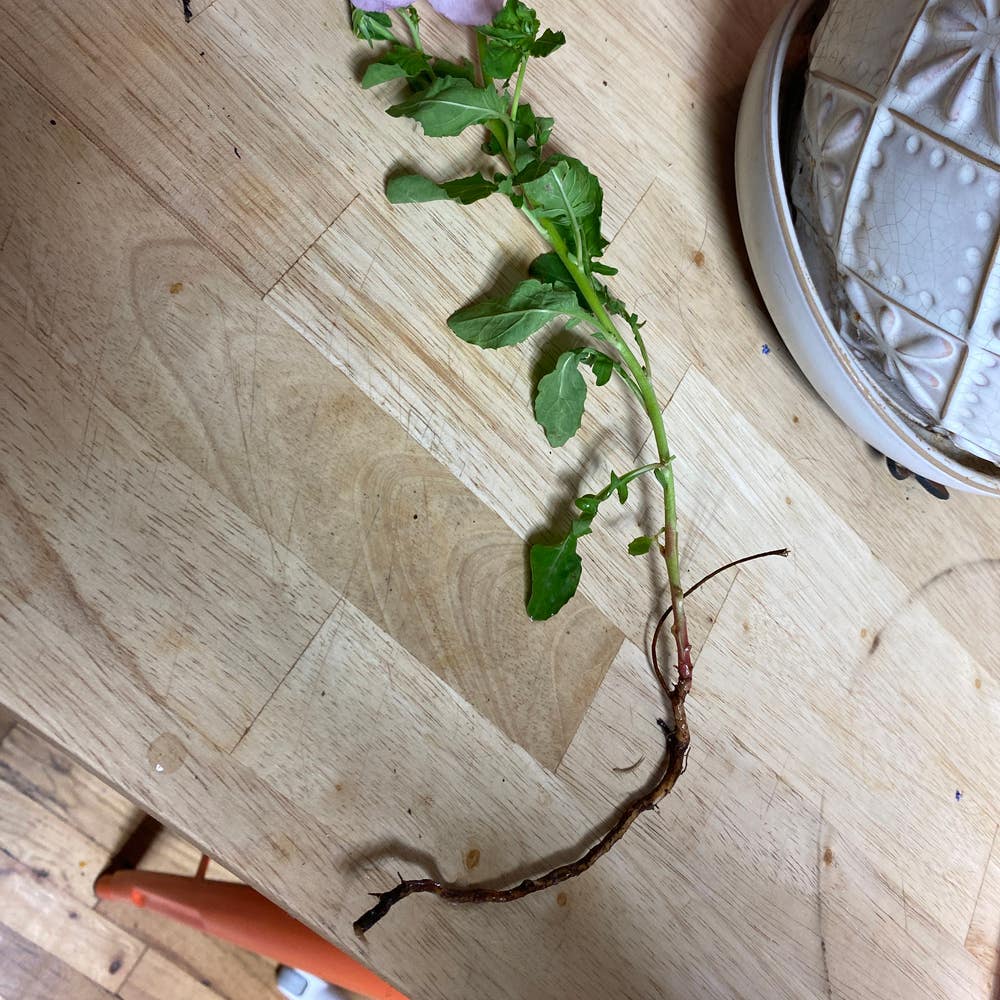
🌡 What Temperature Does My Showy Pink Evening Primrose Need?
Oenothera speciosa
By the Greg Editorial Team
Jun 18, 2024•3 min read
This article was created with the help of AI so we can cover more plants for you. May contain errors. See one? Report it here.
Flourish your Showy Pink Evening Primrose with our essential temperature tips for vibrant growth 🌡️🌸.
- 🌡️ Ideal temperature range: 60-80°F day, 50-70°F night.
- Consistent temperature and humidity ensure growth and vibrant blooms.
- Protect from extreme heat and cold to prevent stress and flowering delays.
Perfect Temperature Sweet Spot
🌡️ What's Just Right?
The ideal temperature range for Showy Pink Evening Primrose is a daytime cozy zone of 60-80°F (15-26°C). At night, these beauties prefer a slight chill, with temperatures dipping to a comfortable 50-70°F (10-21°C). Straying from this range is like wearing a winter coat in the desert or shorts in a snowstorm—it just doesn't work.
🔄 Consistency is Key
Consistency in temperature is like the rhythm to a plant's dance—it keeps everything in sync. Fluctuations are the equivalent of stepping on your dance partner's toes; they can lead to stunted growth and a lackluster floral show. Keep your Showy Pink Evening Primrose away from the drama of temperature tantrums—no A/C blasts or toasty vents nearby.

When Temperatures Go Awry
🌡️ Too Hot to Handle
Heat stress in Showy Pink Evening Primroses can turn your garden party into a plant pity party. Wilting leaves and discoloration are the uninvited guests signaling it's too hot. To crash this bash, move your plant to a cooler location and ensure it's not baking in direct sunlight. If your primrose could talk, it'd tell you to dial down the heat and give it a drink—keep the soil consistently moist.
❄️ Chilly Reception
Conversely, cold stress makes your Showy Pink Evening Primrose act like it's giving you the cold shoulder. Stunted growth and limp foliage are its way of saying it's not cool with the chill. Wrap your plant in warmth by moving it away from drafty windows and consider a plant sweater (just kidding—think about gentle heat mats or grow lights instead). Remember, if Jack Frost has been nipping at your primrose, snip off the damaged bits to prevent further harm.

Temperature Stress and Flowering
🌡️ Heat Impact on Blooms
High temperatures can disrupt the Showy Pink Evening Primrose's flowering cycle. Metabolic acceleration from the heat may seem beneficial, but it's a double-edged sword, often leading to stress that hinders bloom development. To prevent this, ensure your plant isn't near heat sources and avoid drastic temperature changes.
❄️ Cold Nights and Flower Delays
Conversely, cold temperatures can cause the Evening Primrose to delay flowering. It's a survival tactic, conserving energy when the mercury dips too low. If you notice a lack of blooms and suspect cold stress, consider providing a warmer environment or protection from chilly nights.

Quick Note on Humidity
💦 Complementary Climate Factors
Humidity often plays second fiddle to temperature, but it's a crucial member of the band for the Showy Pink Evening Primrose. While these plants are somewhat tolerant of variations in moisture levels, they do best when humidity and temperature perform a well-rehearsed duet.
Consistent humidity supports the primrose's need for steady growth and vibrant blooms. Too much moisture in the air can lead to fungal issues, while too little can stress the plant, causing leaves to dry out or become brittle.
Remember, as temperatures rise, the air can hold more moisture, leading to higher humidity. Conversely, cooler air holds less, which can make the environment too dry for your primrose. It's all about finding that Goldilocks zone—not too humid, not too dry.
To keep your Showy Pink Evening Primrose in top shape, monitor the humidity along with the temperature. A simple hygrometer can help you track these levels. If you need to adjust the humidity, consider a room humidifier for added moisture, or a dehumidifier if the air feels like a tropical rainforest.
In short, don't let humidity become the forgotten lyric in the song of your primrose's care. Keep an eye on it, and your plant will reward you with a show-stopping performance.
⚠️ Safety First
This content is for general information and may contain errors, omissions, or outdated details. It is not medical, veterinary advice, or an endorsement of therapeutic claims.
Always consult a qualified healthcare professional before using any plant as food, medicine, or supplement.
Never eat any plant (or feed one to pets) without confirming its identity with at least two trusted sources.
If you suspect poisoning, call Poison Control (800) 222-1222, the Pet Poison Helpline (800) 213-6680, or your local emergency service immediately.
Spotted an error? Please report it here.
Ensure your Showy Pink Evening Primrose thrives in ideal conditions 🌡️ with Greg's personalized environment tracking and care reminders.