🌼 How to Get Rid of Redsepal Evening Primrose
Oenothera speciosa
By the Greg Editorial Team
Sep 29, 2024•7 min read
This article was created with the help of AI so we can cover more plants for you. May contain errors. See one? Report it here.
Safeguard your garden and ecosystems by learning to identify and control invasive Redsepal Evening Primrose! 🌱
- 🌼 Redsepal Evening Primrose is invasive, threatening local biodiversity and competing for resources.
- 🌱 Identify it by bright yellow flowers and red-tinged sepals for effective management.
- ⚔️ Manual removal and herbicides are key strategies for controlling this aggressive plant.
Plant Classification
🌱 Definition of Weeds and Invasive Species
Weeds are often seen as the unwanted guests in our gardens. They thrive in cultivated areas, competing fiercely with the plants we actually want to grow.
Invasive species take this a step further. These non-native plants spread rapidly, disrupting local ecosystems and pushing out native flora.
📏 Criteria for Classifying as a Weed
Two main criteria help classify a plant as a weed. First, its rapid spread allows it to quickly colonize disturbed areas, making it a formidable opponent.
Second, its competitive nature means it can outcompete native plants for essential resources like light, water, and nutrients. This dual threat makes weeds particularly challenging to manage.
Understanding these classifications is crucial for effective control strategies. By recognizing the characteristics of weeds and invasive species, we can better protect our gardens and ecosystems.
Next, we’ll dive into how to identify Redsepal Evening Primrose, a plant that fits these classifications perfectly.
Identification
Key Identifying Features 🌼
Redsepal Evening Primrose is hard to miss. It showcases bright yellow flowers adorned with striking red-tinged sepals, making it visually distinctive.
Typically, this plant grows between 1 to 3 feet tall, exhibiting a bushy appearance that can dominate its surroundings. Its lanceolate leaves, smooth along the edges, further aid in identification.
Comparison with Look-Alike Plants 👀
When identifying Redsepal Evening Primrose, it's essential to differentiate it from similar species, such as other evening primroses.
Look for the unique combination of yellow flowers and red sepals, which sets it apart. Other evening primroses may lack the vibrant color contrast or have different leaf shapes, making careful observation crucial.
Understanding these features can help you spot this invasive plant before it takes over your garden or local ecosystem.
Growth Habits and Spread
Typical Growth Patterns 🌱
Redsepal Evening Primrose can be either biennial or perennial, depending on environmental conditions. This flexibility allows it to thrive in various settings, establishing itself rapidly in disturbed areas.
Reproductive Strategies and Seed Dispersal Methods 🌬️
This plant employs multiple seed dispersal methods, including wind, water, and animal-mediated dispersal. Remarkably, its seeds can remain viable in the soil for several years, making it a persistent threat.
Environmental Conditions that Favor Its Spread ☀️
Redsepal Evening Primrose flourishes in sandy or loamy soils, where it can easily take root. While it prefers full sun, it also tolerates partial shade, broadening its potential habitats.
Understanding these growth habits and environmental preferences is crucial for effective management. By recognizing how and where this invasive species thrives, you can take proactive steps to control its spread.
Next, we will explore the ecological and economic impacts of Redsepal Evening Primrose on native plant communities and agriculture.
Ecological and Economic Impact
🌱 Effects on Native Plant Communities
Redsepal Evening Primrose poses a significant threat to native plant biodiversity. By aggressively outcompeting local flora, it diminishes the variety of species that can thrive in an ecosystem.
This invasive plant alters habitats, affecting soil composition and nutrient availability. Such changes can lead to long-term ecological imbalances, making it harder for native plants to recover.
💰 Economic Losses and Agricultural Challenges
The economic implications of managing Redsepal Evening Primrose are substantial. Landowners and municipalities face rising costs for control efforts, which can strain budgets and resources.
Additionally, this invasive species competes directly with crops, leading to reduced yields. Farmers may find themselves battling not just weeds, but also the financial repercussions of decreased productivity.
Understanding these impacts is crucial for effective management strategies. By addressing both ecological and economic concerns, we can work towards preserving our native ecosystems and supporting agricultural viability.
Next, we’ll explore control and management techniques to combat this invasive species effectively.
Control and Management
🌱 Manual Removal Techniques: Step-by-Step Guide
Identify Infested Areas: Start by scouting your garden or natural areas for Redsepal Evening Primrose. Look for clusters of the distinctive yellow flowers and bushy growth.
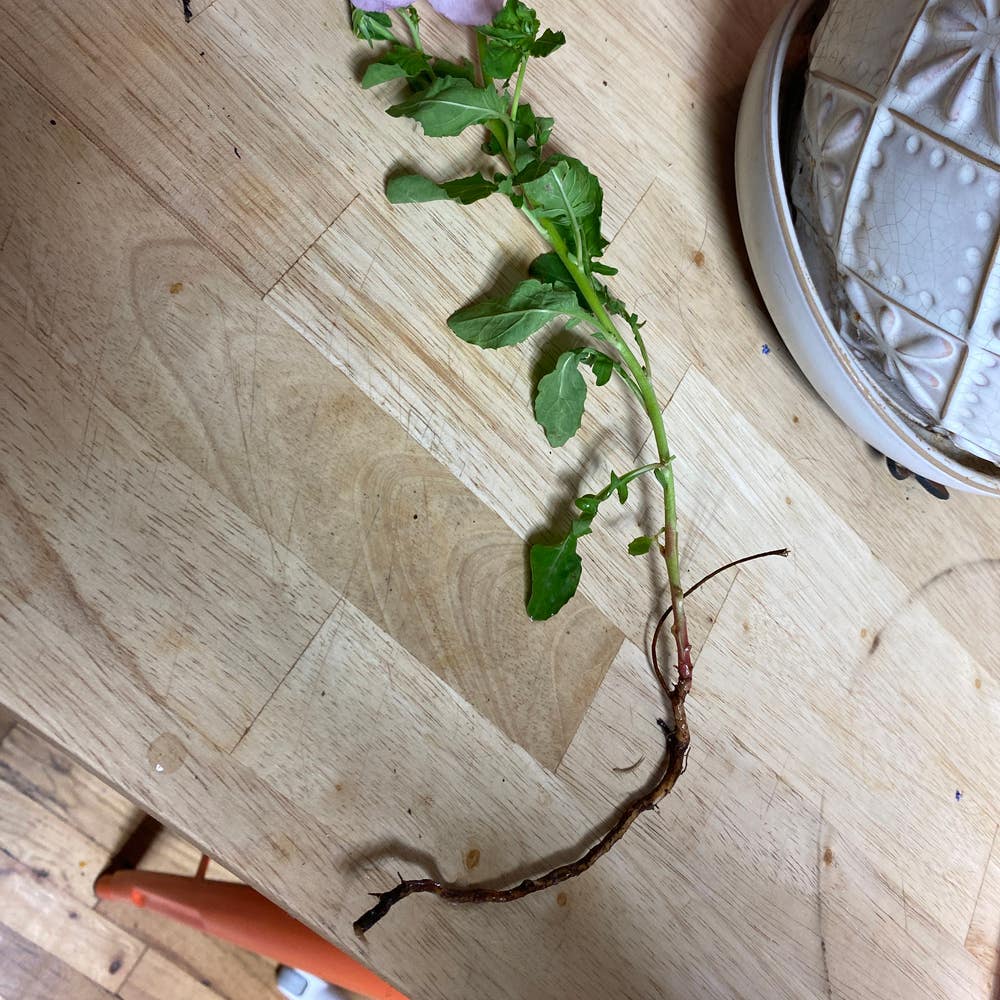
Uproot the Plants: Equip yourself with gloves and hand tools. Carefully uproot the plants, ensuring you remove the entire root system to prevent regrowth.
Dispose Properly: Don’t just toss the plants in your compost. Dispose of them in a sealed bag or designated waste area to stop them from re-establishing.
🧪 Chemical Control Options
Herbicides: Certain herbicides are effective against Redsepal Evening Primrose. Look for products specifically labeled for this invasive species.
Application Timing: For maximum effectiveness, apply herbicides during the plant's active growth phase. Early spring or late summer are typically ideal times.
🦠 Biological Control Methods
Natural Predators: Consider introducing natural predators or competitors that can help keep Redsepal Evening Primrose in check. Research is ongoing to find the most effective options.
Ecological Safety: Always assess the ecological impact of any biological control method. You want to ensure that your solution doesn’t create new problems.
🚫 Preventive Measures to Limit Spread
Regular Monitoring: Keep a close eye on your gardens and surrounding natural areas. Regular checks can help catch new infestations early.
Prompt Removal: If you spot new plants, act quickly. Removing them immediately can prevent larger infestations down the line.
🔍 Importance of Early Detection and Rapid Response
Identifying New Populations: Familiarize yourself with the identifying features of Redsepal Evening Primrose. This knowledge will help you spot new populations before they spread.
Benefits of Quick Action: The sooner you act, the easier it is to manage the problem. Quick responses can save you time, effort, and resources in the long run.
By employing these control and management strategies, you can effectively combat the spread of Redsepal Evening Primrose. Taking proactive measures not only protects your garden but also contributes to the health of local ecosystems.
Legal Status
📜 Overview of Laws and Regulations
Understanding the legal framework surrounding invasive species is crucial for effective management. Both federal and state regulations exist to combat the spread of invasive plants like Redsepal Evening Primrose.
These laws often outline specific guidelines for control and management, ensuring that landowners and municipalities take appropriate action. Familiarizing yourself with these regulations can help you stay compliant and contribute to local conservation efforts.
⚖️ Requirements for Removal or Control
Local ordinances frequently mandate action against invasive species. This means that if you spot Redsepal Evening Primrose in your area, you may be legally required to remove it.
Resources are available for land managers and gardeners to assist in this process. Many local extension services offer guidance on best practices for removal and control.
🌱 Implications for Gardeners and Land Managers
Gardeners and land managers have a responsibility to manage invasive species on both private and public lands. This includes monitoring for new infestations and taking action when necessary.
Failure to comply with regulations can lead to potential penalties. Staying informed and proactive not only helps protect local ecosystems but also fosters a sense of community responsibility.
In the next section, we will explore the potential benefits or uses of Redsepal Evening Primrose, despite its invasive nature.
Potential Benefits or Uses
📜 Historical and Current Uses
Redsepal Evening Primrose has a rich history in traditional medicine. Indigenous cultures have utilized its roots and leaves for various ailments, showcasing its cultural significance.
However, its practical applications today are quite limited. While some may consider it for landscaping or erosion control, the negative impacts on local ecosystems far outweigh these benefits.
🌼 Limited Applications in Landscaping
In landscaping, Redsepal Evening Primrose might be used for its bright yellow flowers. Yet, its invasive nature often leads to more harm than good, overshadowing any aesthetic appeal.
⚠️ Negative Impacts Outweigh Benefits
The plant's ability to outcompete native species creates a ripple effect, diminishing biodiversity. This reality serves as a reminder that sometimes, what seems beneficial can actually disrupt the balance of nature.
Understanding these aspects is crucial for gardeners and land managers. It highlights the importance of making informed choices about plant selection and management practices.
As we move forward, recognizing the ecological consequences of our choices will help us foster healthier environments.
⚠️ Safety First
This content is for general information and may contain errors, omissions, or outdated details. It is not medical, veterinary advice, or an endorsement of therapeutic claims.
Always consult a qualified healthcare professional before using any plant as food, medicine, or supplement.
Never eat any plant (or feed one to pets) without confirming its identity with at least two trusted sources.
If you suspect poisoning, call Poison Control (800) 222-1222, the Pet Poison Helpline (800) 213-6680, or your local emergency service immediately.
Spotted an error? Please report it here.
Protect your garden's biodiversity from Redsepal Evening Primrose with Greg's tailored reminders 🌱 that help you stay proactive in managing this invasive species!