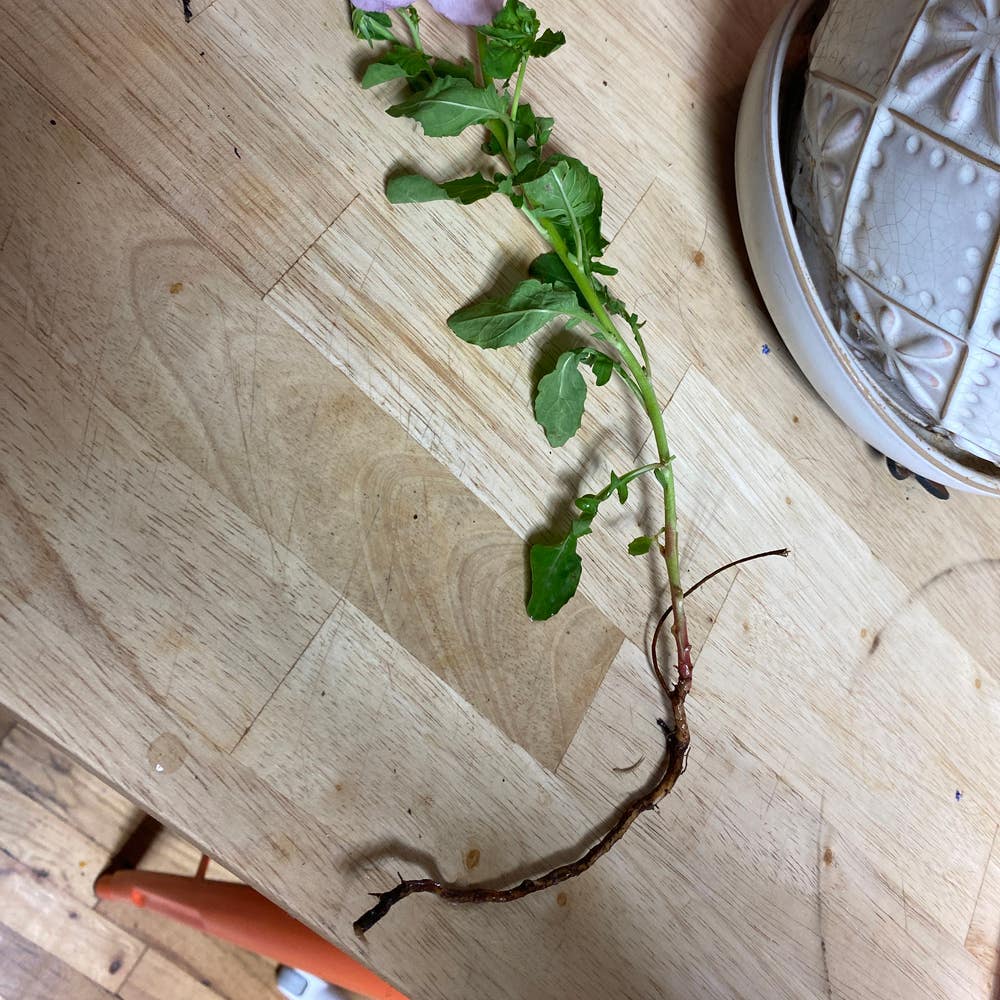
Should I Repot My Showy Pink Evening Primrose?
Oenothera speciosa
By the Greg Editorial Team
Jun 18, 2024•3 min read
This article was created with the help of AI so we can cover more plants for you. May contain errors. See one? Report it here.
Boost your primrose's bloom 🌺 with timely repotting secrets for vibrant growth!
- Roots peeking out? Time to repot your Evening Primrose.
- Post-bloom repotting helps focus on root establishment.
- 🌸 Terracotta pots are ideal for their breathability.
Spotting the Telltale Signs to Repot
🌱 Root Tango in a Tight Spot
When your Evening Primrose starts to resemble a jailbreak artist with roots poking through drainage holes, it's repotting time. Roots circling the pot's interior or sneaking out the bottom are your plant's version of sending an SOS.
🌸 Sluggish Growth and Waning Blooms
If your plant's growth has hit a standstill and the blooms are more sparse than a desert oasis, it's not just being lazy. It's a clear sign that your Evening Primrose is begging for a new, roomier residence.
💧 The Watering Woes
When watering your plant feels like a pointless endeavor and the soil dries quicker than a comedian's wit, take note. These watering woes indicate a root-to-soil ratio that's out of whack, signaling it's time to upgrade your plant's living quarters.

Choosing the Right Time to Repot
🌱 Syncing with the Seasons
Spring ushers in a growth spurt for your Showy Pink Evening Primrose, making it the prime time to consider repotting. Early summer follows suit as a favorable period. Both seasons provide the plant with the natural momentum it needs to thrive in a new pot. Avoid winter repotting; it's like handing your plant a popsicle in a snowstorm.
🌸 After the Blooms: The Perfect Timing
Once the floral fanfare has ended, your Evening Primrose is ready for a change. Post-bloom repotting aligns with the plant's resting phase, allowing it to channel energy into establishing roots rather than pushing petals. It's like giving your plant a spa day after a marathon—rejuvenating and well-deserved.

The Repotting Rodeo: A Step-by-Step Guide
🏡 Preparing the New Home
Selecting the right size pot is crucial; aim for one that's slightly larger than the current one. Drainage holes are non-negotiable—your Evening Primrose despises soggy feet. As for the soil, a well-draining mix with a bit of organic matter will make your primrose pop with pleasure.
🌱 The Gentle Uproot
Water your plant a day before to ease the transition. When it's time, cradle the base and tilt the pot, letting gravity assist the exit. If the roots play hard to get, a gentle tap on the pot's edge or a squeeze should coax them out. Remember, it's a plant, not a popsicle—no yanking allowed.
🏠 Settling In
Place a layer of fresh soil in the new pot and introduce your plant, keeping it at the same depth as before. Fill around the roots with more mix, tap to settle, but don't compact. Water lightly to eliminate air pockets; think of it as a welcome drink in its new abode. Post-repot, give your primrose some peace to acclimate—no fertilizer or direct sun for a hot minute.

Picking the Perfect Pot
💨 Breathability and Moisture: The Terracotta Tale
Terracotta pots are the unsung heroes for Showy Pink Evening Primroses. Their porous nature allows for excellent air circulation and wicks away excess moisture, preventing root rot. Yet, they can dry out soil quickly, so more frequent watering may be necessary.
🛍️ Lightweight and Versatile: Plastic Pot Pros and Cons
Plastic pots are your wallet's friend—affordable and lightweight. They retain moisture, which is great for forgetful waterers but can spell trouble for plants if overwatered. Ensure proper drainage to avoid waterlogged roots.
🌸 The Elegance of Ceramic
Ceramic pots add a touch of elegance to your Evening Primroses. They're heavier and often pricier, but offer a balance between moisture retention and breathability. Always check for drainage holes to prevent soggy soil.
⚠️ Safety First
This content is for general information and may contain errors, omissions, or outdated details. It is not medical, veterinary advice, or an endorsement of therapeutic claims.
Always consult a qualified healthcare professional before using any plant as food, medicine, or supplement.
Never eat any plant (or feed one to pets) without confirming its identity with at least two trusted sources.
If you suspect poisoning, call Poison Control (800) 222-1222, the Pet Poison Helpline (800) 213-6680, or your local emergency service immediately.
Spotted an error? Please report it here.
Ensure your Pink Evening Primrose thrives in a new home by repotting at the right time 🌺, with Greg's tailored reminders and pot-sizing assistance.