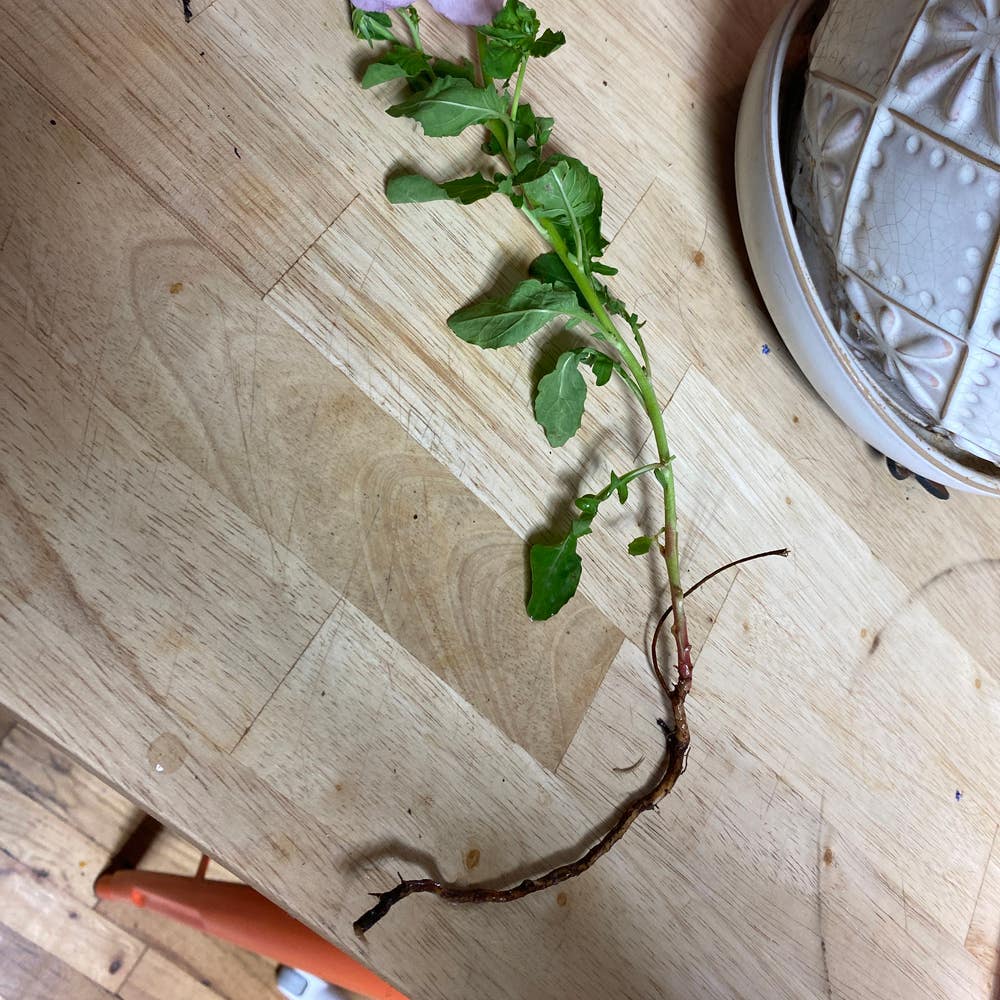
How to Propagate Your Showy Pink Evening Primrose
Oenothera speciosa
By the Greg Editorial Team
Jun 18, 2024•4 min read
This article was created with the help of AI so we can cover more plants for you. May contain errors. See one? Report it here.
Multiply your garden's 🌸 allure by mastering Pink Evening Primrose propagation with ease!
- Select robust, unblemished seeds for higher germination success.
- 🌱 Divide in spring; use sterilized knife at natural separation points.
- Stem cuttings thrive with rooting hormone and consistent moisture.
Sowing the Future: Seed Propagation Steps
🌱 Choosing Your Champions
Selecting robust seeds is your ticket to propagation success. Inspect your primrose blooms and wait for the seed pods to dry on the plant. Crack open the fortress and gather the seeds that are plump and unblemished. These are your champions, the ones that'll go the distance.
🛏️ Prepping the Bed
Soil prep is not just dirt work; it's the bedrock of growth. Mix sphagnum moss with vermiculite for a seed-starting medium that's as nurturing as a mother's hug. Soak it with water, creating a cozy, moist environment. Your seeds will thank you by sprouting.
🌱 Germination Game Plan
Now, for the germination strategy. Sprinkle your seeds on the soil's surface like a chef garnishing a dish with herbs. A light dusting of vermiculite, and you're set. Place the tray in a cool area with indirect sunlight. Keep the soil damp with a misting bottle—think of it as a spa day, every day. Germination is a marathon, not a sprint, so patience is your best ally. When those first sprouts emerge, it's a high-five moment. Thin them out, leaving the strongest to continue their journey to primrose stardom.

Multiplying Beauty: Division Propagation
⏰ Timing is Everything
Spring is the sweet spot for dividing your Showy Pink Evening Primrose. This timing allows the plant to recover in the cooler weather and take full advantage of the growing season. Avoid division during blooming to prevent stressing the plant.
The Division Dance
🛡️ Preparing for Division
Water your primrose a day or two before you plan to divide. This makes the roots more flexible and easier to work with. When it's time, gently remove the plant from its pot, being mindful not to damage the root system.
Executing the Division
Shake off excess soil to reveal the rootball. Look for natural separation points and use a sterilized knife to divide the plant. Ensure each new section has a good amount of roots and a few leaves.
Settling In
🌞 Planting Divided Primroses
Immediately plant your new primrose divisions to minimize stress. Choose a spot with similar light and soil conditions as the parent plant. Keep the soil moist and watch your primroses flourish.

Cloning Success: Stem Cuttings
🌱 Snip Snip! Harvesting Cuttings
To harvest stem cuttings, timing and technique are key. Early spring is the ideal moment, just as the plant wakes up to the growing season. With sterilized shears, make a clean, angled cut just below a node—this is your rooting sweet spot. Select stems that are healthy and vigorous, avoiding any with signs of stress or disease.
🌱 Rooting for Roots
Once you've got your cuttings, it's time to encourage root growth. Dip the cut end into rooting hormone to accelerate the process—though not mandatory, it's like an insurance policy for your propagation efforts. Plant the cuttings in a moist, well-draining medium, ensuring at least one node is buried where roots can develop. Keep the faith; roots don't appear overnight.
🌱 The Waiting Game
Patience isn't just a virtue; it's a necessity. Maintain consistent moisture in the soil, but avoid waterlogging. Provide bright, indirect light to coax the cuttings into growth without scorching them. In about 3-6 weeks, roots should emerge, signaling the start of a new plant's journey. Remember, the waiting game is a silent dialogue between you and your plant—listen closely.
Troubleshooting Tips for Tricky Situations
🌱 Seasonal Smarts
Adjusting your propagation approach with the seasons is crucial. In early spring, your primroses get a full growing season to establish themselves. Summer heat can stress cuttings, so provide shade. Fall's cooler temps slow growth, making it a less ideal time. Winter? Just don't. It's the plant's time to chill.
🌍 Climate Considerations
Climate can be a propagator's nemesis or best friend. If your primroses are wilting like a forgotten salad, it's time to reassess. Too hot? Find them some shade. Too cold? Protect them from frost. Always remember to adjust your watering to match the humidity and temperature. If all else fails, consider a plant more suited to your zone.
⚠️ Safety First
This content is for general information and may contain errors, omissions, or outdated details. It is not medical, veterinary advice, or an endorsement of therapeutic claims.
Always consult a qualified healthcare professional before using any plant as food, medicine, or supplement.
Never eat any plant (or feed one to pets) without confirming its identity with at least two trusted sources.
If you suspect poisoning, call Poison Control (800) 222-1222, the Pet Poison Helpline (800) 213-6680, or your local emergency service immediately.
Spotted an error? Please report it here.
Nurture your Pink Evening Primrose cuttings to life 🌸 with Greg's custom reminders and care tips, ensuring every seed and division thrives from these propagation methods!