🌸 Showy Pink Evening Primrose Is Not an Annual
Oenothera speciosa
By the Greg Editorial Team
Sep 30, 2024•4 min read
This article was created with the help of AI so we can cover more plants for you. May contain errors. See one? Report it here.
Transform your garden with the resilient Showy Pink Evening Primrose 🌸, a perennial that blooms beautifully year after year!
- 🌸 Showy Pink Evening Primrose is a perennial, blooming over multiple years, not an annual.
- 🌱 Deep taproots enhance drought resistance, ensuring vibrant growth in various conditions.
- 🌙 Evening blooms attract nocturnal pollinators, enriching local ecosystems and garden biodiversity.
Showy Pink Evening Primrose Characteristics
🧬 Genetic Traits
The Showy Pink Evening Primrose boasts a unique chromosome count that enhances its genetic stability, solidifying its status as a perennial. This genetic makeup allows it to thrive in various native habitats, adapting to environmental challenges with ease.
🌱 Physiological Features
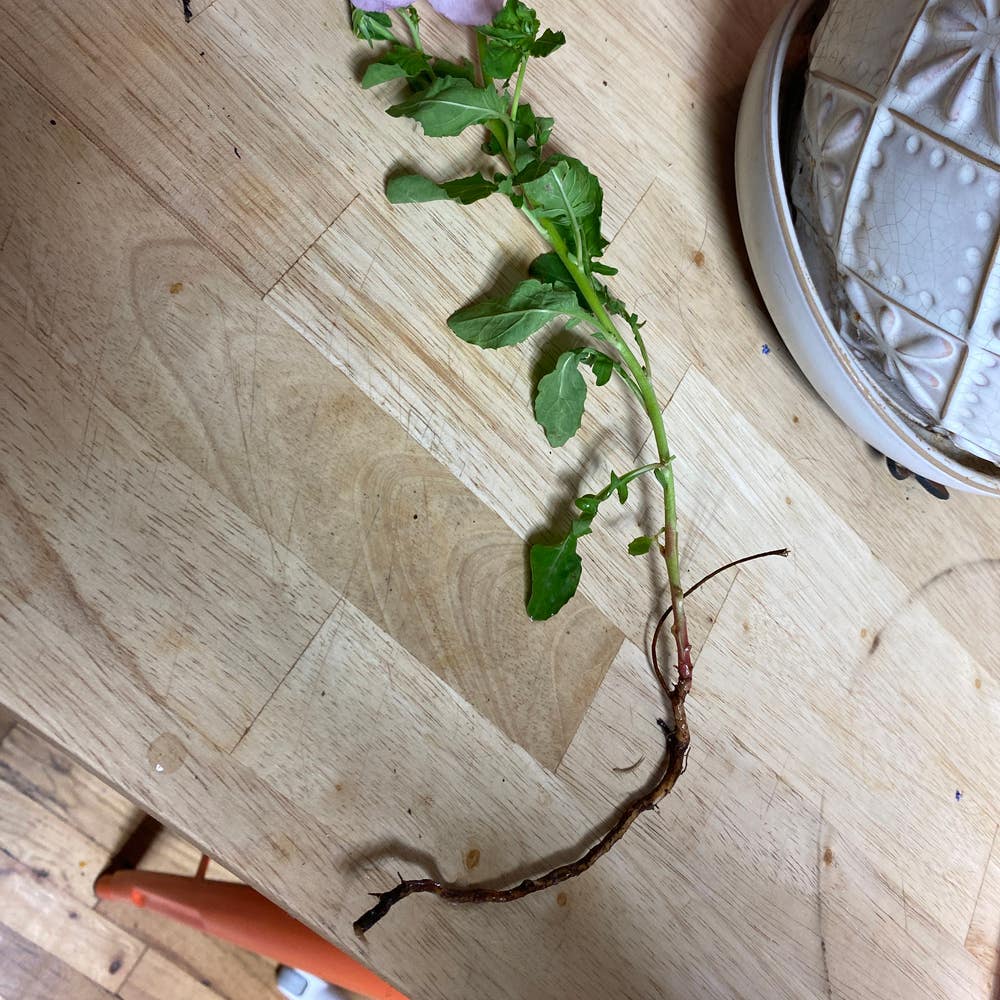
One of the standout features of this plant is its deep taproot system. This robust root structure enables efficient nutrient and water absorption, making it resilient in less-than-ideal soil conditions.
The leaf structure also plays a crucial role in its survival. The rosette formation persists through winter, providing a protective layer that helps the plant endure colder months.
📈 Long-Term Lifecycle and Growth Patterns
Initially, the Showy Pink Evening Primrose enters a rosette stage, laying the groundwork for future growth. After this stage, it transitions to flowering in subsequent years, showcasing its long-term growth potential.
Seasonally, the plant exhibits a fascinating behavior. It goes dormant in winter, only to resurge vibrantly in spring, ready to bloom and thrive once again.
This combination of genetic traits, physiological features, and growth patterns makes the Showy Pink Evening Primrose a remarkable addition to any garden. Its resilience and beauty not only enhance landscapes but also provide valuable insights into the world of perennials.
As we explore its lifecycle further, we’ll uncover how these characteristics influence its growth and flowering patterns.
Lifecycle Comparison
🌸 Lifecycle of Showy Pink Evening Primrose
The Showy Pink Evening Primrose begins its lifecycle with germination in spring. From there, it progresses through distinct growth phases: vegetative growth, flowering, and seed production.
🔄 Comparison with True Annual Plants
Unlike true annual plants that complete their lifecycle in a single season, the Showy Pink Evening Primrose spans multiple years. This perennial blooms in cycles, offering a prolonged display of color and beauty.
🌱 Implications of Lifecycle on Flowering and Seed Production
This plant's flowering frequency is impressive, with multiple blooms occurring over several years. Additionally, its self-seeding capabilities enhance its presence in gardens, ensuring a vibrant display year after year.
Understanding these lifecycle nuances not only enriches your gardening experience but also helps you appreciate the resilience and beauty of the Showy Pink Evening Primrose. Next, we’ll explore the common misconceptions surrounding this remarkable plant.
Misconceptions and Variations
🌱 Conditions Leading to Misclassification
Misunderstandings about the Showy Pink Evening Primrose often stem from environmental stressors. Drought or poor soil conditions can stunt its growth, leading gardeners to mistakenly believe it is an annual.
Additionally, the plant's unique growth patterns can confuse even seasoned gardeners. When it doesn't bloom as expected, many prematurely remove it, unaware of its perennial nature.
🤔 Common Misconceptions
A prevalent belief is that the Showy Pink Evening Primrose behaves like an annual under certain conditions. This misconception can lead to disappointment when the plant re-emerges the following season, defying expectations.
Another common misunderstanding involves its self-seeding capabilities. Many gardeners overlook its long-term growth potential, failing to appreciate how it can enhance their garden year after year.
Understanding these misconceptions is crucial for anyone looking to cultivate this beautiful perennial. With the right knowledge, you can enjoy its vibrant blooms for many seasons to come.
As we explore garden design and management next, we'll see how to maximize the benefits of this resilient plant.
Garden Design and Management
Benefits in Perennial Gardens 🌸
Showy Pink Evening Primrose is a fantastic addition to any perennial garden. Its evening blooms are a magnet for nocturnal pollinators, enhancing biodiversity and supporting local ecosystems.
Moreover, this plant is drought-tolerant, making it a low-maintenance choice for sustainable gardening. Once established, it requires minimal water, allowing you to enjoy a vibrant garden without constant upkeep.
Tips for Maximizing Longevity and Health 🌱
Proper soil preparation is crucial for the health of Showy Pink Evening Primrose. Well-drained soils promote robust root systems, which are essential for nutrient absorption.
When it comes to watering, focus on establishing deep roots. This strategy enhances drought resistance, ensuring your plants thrive even in challenging conditions.
Strategies for Effective Planting and Design 🌼
Companion planting can elevate your garden's biodiversity. Pairing Showy Pink Evening Primrose with other perennials creates a dynamic ecosystem that benefits all plants involved.
Planning for seasonal interest is also key. By selecting plants that bloom at different times, you can ensure continuous color and life throughout the growing season.
With these strategies, you can create a thriving garden that showcases the beauty and resilience of Showy Pink Evening Primrose. Next, let’s explore common misconceptions surrounding this remarkable plant.
⚠️ Safety First
This content is for general information and may contain errors, omissions, or outdated details. It is not medical, veterinary advice, or an endorsement of therapeutic claims.
Always consult a qualified healthcare professional before using any plant as food, medicine, or supplement.
Never eat any plant (or feed one to pets) without confirming its identity with at least two trusted sources.
If you suspect poisoning, call Poison Control (800) 222-1222, the Pet Poison Helpline (800) 213-6680, or your local emergency service immediately.
Spotted an error? Please report it here.
Unlock the full potential of your Showy Pink Evening Primrose 🌼 with Greg's tailored watering reminders and care tips, ensuring this perennial dazzles in your garden season after season!