🌸 Showy Pink Evening Primrose Roots 101
Oenothera speciosa
By the Greg Editorial Team
Sep 30, 2024•6 min read
This article was created with the help of AI so we can cover more plants for you. May contain errors. See one? Report it here.
Discover how the evening primrose's roots 🌱 can transform your garden into a vibrant oasis of blooms!
- 🌱 Evening primrose roots access deep moisture with a thick taproot and fibrous structure.
- 🌿 Healthy roots ensure vibrant growth; look for firm, light-colored roots to assess health.
- 🔄 Repot rootbound plants in spring or fall for optimal growth and health.
Root System Characteristics
Type of Root System 🌱
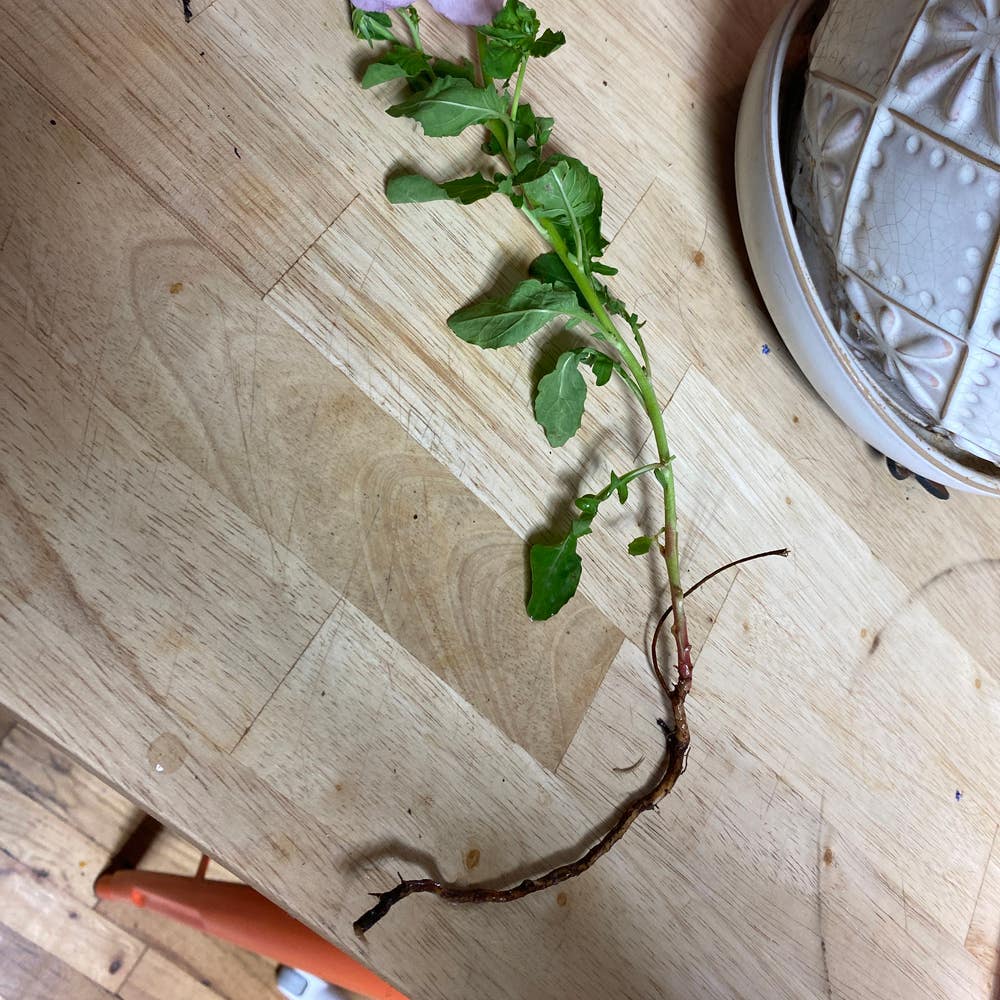
The showy pink evening primrose features a taproot system, characterized by a deep, single primary root. This design allows the plant to access moisture from deeper soil layers, making it resilient in drier conditions.
Specific Characteristics of Roots 🌿
The root structure consists of a thick, sturdy taproot complemented by fibrous roots. While the taproot anchors the plant, the fibrous roots enhance nutrient uptake, showcasing the benefits of both types.
When comparing common cultivars like 'Rosea' and 'Alba', you'll notice variations in root characteristics. Each cultivar adapts uniquely to its environment, influencing growth and overall health.
Understanding these root system characteristics is essential for effective care and cultivation. With this knowledge, you can better appreciate how these roots contribute to the plant's vitality and resilience.
Next, let’s explore the root depth and spread of the evening primrose, which plays a crucial role in its growth and adaptability.
Root Depth and Spread
Typical Root Depth and Spread 🌱
The roots of the showy pink evening primrose typically reach an average depth of 12 to 24 inches (30 to 60 cm). They can also spread impressively, extending up to 3 feet (90 cm) wide, allowing them to access nutrients and moisture efficiently.
Growth Patterns of the Root System 🌿
In the initial growth phase, the taproot develops rapidly, anchoring the plant firmly in the soil. As the seasons change, the roots adapt, optimizing their growth patterns to thrive under varying environmental conditions.
Understanding these root characteristics is essential for effective care practices, which we’ll explore next.
Care Practices Influenced by Roots
🌊 Watering Techniques Based on Root Structure
To keep your Showy Pink Evening Primrose thriving, deep watering every 1-2 weeks is essential. This method encourages the taproot to reach deeper soil moisture, but remember to let the soil dry out between waterings to prevent root rot.
🌱 Fertilizing Tips for Optimal Root Health
Using a balanced NPK fertilizer is key for robust root development. Aim to fertilize in early spring and mid-summer to give your plants the nutrients they need at crucial growth stages.
🌳 Transplanting Advice Considering Root Characteristics
The best time to transplant your Evening Primrose is either early spring or fall. When doing so, take care to minimize root disturbance by gently loosening the soil around the roots and keeping as much of the root ball intact as possible.
By following these care practices, you’ll set your plants up for success, ensuring they flourish in their environment. Next, let’s explore common root-related issues that can arise and how to tackle them effectively.
Common Root-Related Issues
Identifying Root-Related Problems 🌱
Root issues can manifest in several ways. Look out for stunted growth and yellowing leaves, which are clear indicators that something is off.
Common problems include root rot and pests affecting the roots. Root rot often occurs when the soil is too wet, while pests can compromise root health, leading to further plant distress.
Prevention and Solutions for Root Issues 🛠️
To prevent root-related problems, adopt best practices for watering and soil management. Water deeply but infrequently, allowing the soil to dry out between sessions to avoid root rot.
Soil management is equally crucial. Ensure good drainage and consider using a well-aerated potting mix.
For pest control, organic solutions can be effective. Neem oil and diatomaceous earth are great options for maintaining root health without harsh chemicals.
By staying vigilant and proactive, you can keep your Showy Pink Evening Primrose thriving and vibrant. Next, let’s explore the indicators of root health to ensure your plants are in top shape.
Indicators of Root Health
🌱 Visual Cues for Healthy vs. Unhealthy Roots
Healthy roots are a sight to behold. They should feel firm and display a white or light tan color, indicating vitality.
In contrast, unhealthy roots present a worrying picture. Look for dark, mushy, or foul-smelling roots, which signal potential problems that need immediate attention.
🔍 Other Indicators of Root Health
Beyond root appearance, overall plant vigor is crucial. Pay attention to leaf color and flowering patterns; vibrant foliage and abundant blooms often indicate robust roots.
Soil moisture levels also play a significant role in root health. Consistent moisture, without waterlogging, supports strong root systems, ensuring your plants thrive.
By keeping an eye on these indicators, you can maintain the health of your Showy Pink Evening Primrose and enjoy its beauty for years to come.
Next, we’ll explore how to manage rootbound plants, ensuring they have the space they need to flourish.
Managing Rootbound Plants
Definition of Rootbound 🌱
A plant is considered rootbound when its roots have filled the pot and begin to grow in circles, often out of the drainage holes. This condition typically develops over time as the plant outgrows its container, leading to restricted growth and nutrient uptake.
Signs of Rootbound Plants 👀
Look for roots growing out of the drainage holes or signs of stunted growth. Other visual cues include circling roots and compacted soil, which indicate that the plant is struggling for space.
Solutions for Rootbound Issues 🛠️
To address rootbound conditions, repotting is essential. Choose a pot that is at least 2 inches wider in diameter than the current one to give the roots room to expand.
When repotting, consider pruning the roots to encourage healthy growth. Trim any circling or damaged roots, ensuring that you maintain a portion of the taproot for stability.
By recognizing and addressing rootbound issues, you can help your Showy Pink Evening Primrose thrive. This proactive care will set the stage for robust growth and vibrant blooms.
Propagation and Division
🌱 Importance of Root Health in Propagation
Healthy roots are crucial for successful propagation. They provide the necessary nutrients and stability for new plants to thrive.
Timing is also key when it comes to root division. Early spring or fall are the best seasons for this process, as the plants are either waking up or preparing for dormancy.
✂️ Techniques for Dividing and Propagating
Follow these steps for effective root division:
- Timing: Choose early spring or fall for optimal results.
- Tools Needed: Use a clean, sharp spade or knife to minimize damage.
- Method: Carefully separate the roots, ensuring each division includes a portion of the taproot.
After dividing, it's essential to establish new plants properly. Water them well and provide some shade initially to help them acclimate.
With these techniques, you can enjoy a thriving garden filled with showy pink evening primrose. This process not only enhances your garden but also deepens your connection with these beautiful plants.
⚠️ Safety First
This content is for general information and may contain errors, omissions, or outdated details. It is not medical, veterinary advice, or an endorsement of therapeutic claims.
Always consult a qualified healthcare professional before using any plant as food, medicine, or supplement.
Never eat any plant (or feed one to pets) without confirming its identity with at least two trusted sources.
If you suspect poisoning, call Poison Control (800) 222-1222, the Pet Poison Helpline (800) 213-6680, or your local emergency service immediately.
Spotted an error? Please report it here.
Unlock the secrets of your showy pink evening primrose's roots 🌿 with Greg's tailored watering and fertilizing reminders, ensuring your plant grows strong and vibrant!