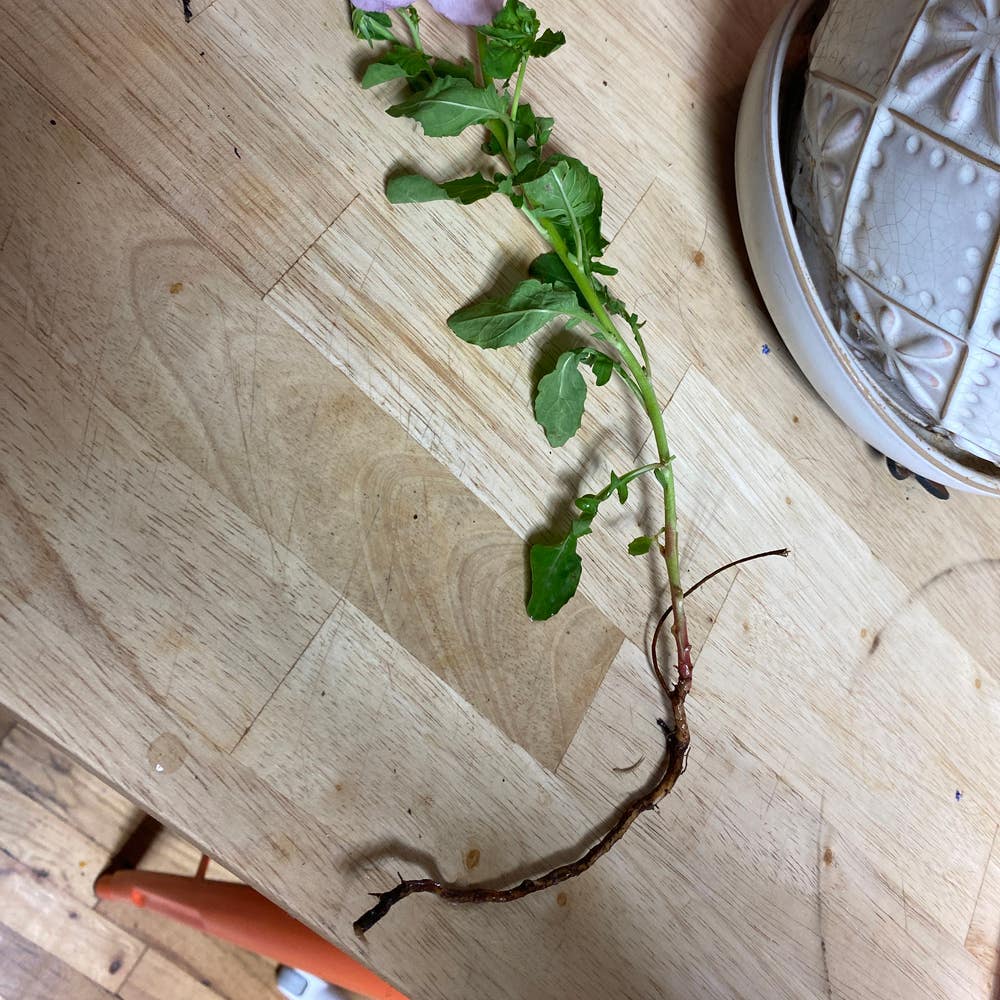
Ultimate Guide to Redsepal Evening Primrose Roots
Oenothera speciosa
By the Greg Editorial Team
Sep 29, 2024•7 min read
This article was created with the help of AI so we can cover more plants for you. May contain errors. See one? Report it here.
Master the unique root system of Redsepal Evening Primrose 🌱 for thriving growth and resilience in your garden!
- 🌱 Redsepal Evening Primrose has a deep taproot, enhancing drought resilience and nutrient access.
- 🌿 Healthy roots are creamy white and firm, indicating good moisture retention and nutrient absorption.
- 💧 Deep watering and proper drainage are essential for preventing root rot and promoting growth.
Root System Characteristics
🌱 Type of Root System
Taproot System
The Redsepal Evening Primrose features a taproot system, characterized by a single, thick primary root that grows deep into the soil. This structure allows the plant to access moisture and nutrients from deeper layers, making it particularly resilient during dry spells.
Advantages of Taproots
One major advantage of a taproot system is its ability to reach water sources that fibrous roots cannot. This depth not only supports the plant's survival but also enhances its stability in various soil conditions.
🔄 Comparison with Fibrous Roots
Differences Between Root Systems
Unlike taproots, fibrous root systems consist of many thin roots that spread out near the soil surface. While fibrous roots can quickly absorb surface moisture, they may struggle to access deeper water reserves.
Implications for Care and Maintenance
Understanding these differences is crucial for care. Taproot plants like the Redsepal Evening Primrose require less frequent watering compared to those with fibrous roots, which need consistent moisture to thrive.
📊 Specific Characteristics
Structure and Composition
The root system of the Redsepal Evening Primrose is robust, with a central taproot supported by smaller lateral roots. This composition is vital for anchoring the plant and facilitating nutrient uptake.
Variations Among Common Varieties
Different varieties of Evening Primrose may exhibit slight variations in root characteristics. Some may develop thicker taproots or more extensive lateral systems, influencing their adaptability to various environments.
Role of Roots in Stability and Nutrient Uptake
Roots play a critical role in maintaining plant stability and nutrient absorption. A well-developed root system ensures that the plant can withstand environmental stresses while efficiently gathering essential nutrients from the soil.
With a solid understanding of the root system characteristics, we can now explore how these roots grow and spread in their environment.
Root Depth and Growth Patterns
🌱 Typical Root Depth and Spread
The Redsepal Evening Primrose typically boasts a root depth of 12 to 24 inches (30 to 60 cm). Its roots can spread impressively, extending up to 3 feet (90 cm) in diameter.
Several factors influence this root depth and spread. Soil type, moisture availability, and the plant's age all play crucial roles in determining how deep and wide the roots will grow.
📈 Growth Patterns
Understanding the growth patterns of Redsepal Evening Primrose is essential for optimal care. These plants exhibit seasonal growth, with roots expanding significantly during warmer months.
Environmental conditions, such as temperature and moisture levels, directly impact root growth. Healthy root development is closely linked to the overall health of the plant, making it vital to monitor these factors regularly.
By nurturing the roots, you can ensure a thriving plant that stands resilient against various challenges.
Watering, Fertilizing, and Transplanting
💧 Watering Needs
Deep watering is crucial for taproot systems like that of the Redsepal Evening Primrose. This technique encourages roots to grow deeper, accessing moisture that surface watering can't provide.
Aim to water deeply once a week, adjusting based on rainfall and temperature. Look for signs of overwatering, such as yellowing leaves or soggy soil, and underwatering, indicated by wilting or browning leaf edges.
🌱 Fertilizing Techniques
Choosing the right fertilizer can significantly impact root health. Organic options like compost or well-balanced fertilizers work wonders for Redsepal Evening Primrose.
Fertilize in early spring and again in mid-summer to support growth. Key nutrients to focus on include nitrogen for growth, phosphorus for root development, and potassium for overall health.
🌿 Addressing Rootbound Issues
A rootbound plant occurs when roots grow too densely within the pot, restricting growth. Recognizing this issue early can save your plant from stress.
Signs of a rootbound plant include roots growing out of drainage holes or a stunted appearance. To repot, gently remove the plant from its pot, loosen the roots, and place it in a larger container with fresh soil.
Following these steps will ensure your Redsepal Evening Primrose thrives, setting the stage for a healthy and vibrant plant.
Common Root-Related Issues
🕵️ Identifying Problems
Root health is crucial for the vitality of Redsepal Evening Primrose. Common issues include root rot, pests, and nutrient deficiencies.
Root rot often manifests as a foul smell and mushy roots. Pests can cause visible damage, while nutrient deficiencies may lead to yellowing leaves or stunted growth.
🛡️ Prevention and Solutions
Maintaining healthy roots starts with best practices in care. Ensure proper watering techniques and avoid overwatering to prevent root rot.
Soil drainage and aeration are vital. Use well-draining soil and consider adding perlite or sand to improve airflow.
For pest control, consider organic solutions like neem oil or insecticidal soap. Chemical options are available but should be used cautiously.
Regularly check for signs of nutrient deficiencies and adjust fertilization accordingly. A balanced approach will keep your roots thriving and resilient.
By focusing on these practices, you can foster a robust root system that supports overall plant health. This proactive care will help mitigate potential issues before they escalate.
Root Health Indicators
🌱 Visual Cues for Healthy Roots
Healthy roots are typically vibrant in color, often a creamy white or light tan. They should feel firm to the touch, indicating good moisture retention and nutrient absorption.
A robust root system is evident in thriving plants, which display strong growth above ground. Look for lush foliage and sturdy stems as signs that the roots are doing their job well.
🚨 Signs of Unhealthy Roots
Unhealthy roots often show clear indicators of distress. Discoloration, such as browning or blackening, can signal root rot or other issues.
Mushy roots are another red flag, suggesting overwatering or poor drainage. A foul odor emanating from the soil can indicate decay, which can severely impact the overall health of the plant.
Recognizing these signs early can help you take action to restore your plant's vitality. Healthy roots are essential for nutrient uptake and overall plant resilience, so keep an eye out for these indicators.
Understanding root health is crucial for maintaining your Redsepal Evening Primrose. With proper care, you can ensure your plant thrives and flourishes.
Stress Resilience
🌱 Role of Root System
A robust root system is essential for the Redsepal Evening Primrose. It enables the plant to withstand challenges like drought, pests, and diseases, ensuring its survival and vitality.
Healthy roots reach deep into the soil, accessing moisture and nutrients that surface roots might miss. This depth not only supports the plant during dry spells but also fortifies it against pests and pathogens lurking in the upper layers of soil.
🧑🌾 Importance of Root Care Techniques
Proper root care techniques are crucial for enhancing plant resilience. Regularly checking soil moisture and ensuring adequate drainage can prevent root rot and other issues.
Additionally, using mulch can help retain soil moisture and regulate temperature, creating a more stable environment for the roots. This proactive approach can significantly boost the plant's ability to cope with stressors.
🌿 Strategies for Improving Root Health
Improving root health involves several practical strategies. Start by ensuring your Redsepal Evening Primrose is planted in well-draining soil, as this promotes healthy root growth.
Consider incorporating organic matter, like compost, to enrich the soil. This not only provides essential nutrients but also improves soil structure, allowing roots to expand freely.
Regularly monitoring the plant for signs of stress can help you catch issues early. If you notice any problems, addressing them promptly can make a world of difference in maintaining root health.
In summary, a strong root system is the backbone of resilience for the Redsepal Evening Primrose. By adopting effective root care techniques and strategies, you can help your plant thrive even in challenging conditions.
Next, we’ll explore common root-related issues and how to identify and address them effectively.
⚠️ Safety First
This content is for general information and may contain errors, omissions, or outdated details. It is not medical, veterinary advice, or an endorsement of therapeutic claims.
Always consult a qualified healthcare professional before using any plant as food, medicine, or supplement.
Never eat any plant (or feed one to pets) without confirming its identity with at least two trusted sources.
If you suspect poisoning, call Poison Control (800) 222-1222, the Pet Poison Helpline (800) 213-6680, or your local emergency service immediately.
Spotted an error? Please report it here.
Unlock the full potential of your Redsepal Evening Primrose 🌼 by using Greg's tailored watering reminders and expert care tips to keep those vital taproots thriving!