🌼 Redsepal Evening Primrose: A Perennial Plant
Oenothera speciosa
By the Greg Editorial Team
Sep 29, 2024•6 min read
This article was created with the help of AI so we can cover more plants for you. May contain errors. See one? Report it here.
Elevate your garden effortlessly with the resilient Redsepal Evening Primrose 🌸, blooming beautifully year after year!
- 🌼 Redsepal Evening Primrose is a perennial, thriving year after year with vibrant blooms.
- 🌱 Deep roots enhance drought tolerance, ensuring robust growth in various climates.
- 🐝 Supports pollinators and biodiversity, making it a valuable addition to any garden.
Characteristics of Redsepal Evening Primrose as a Perennial
🌱 Multi-Year Lifecycle
The Redsepal Evening Primrose thrives through a multi-year lifecycle that includes distinct stages: germination, growth, flowering, and dormancy. This perennial plant typically enjoys a lifespan of several years when nurtured under optimal conditions.
Germination kicks off the lifecycle, where seeds sprout and establish roots. As the plant grows, it develops foliage and prepares for its stunning flowering phase, which usually occurs in the warmer months.
🌿 Growth Patterns and Regrowth from Roots
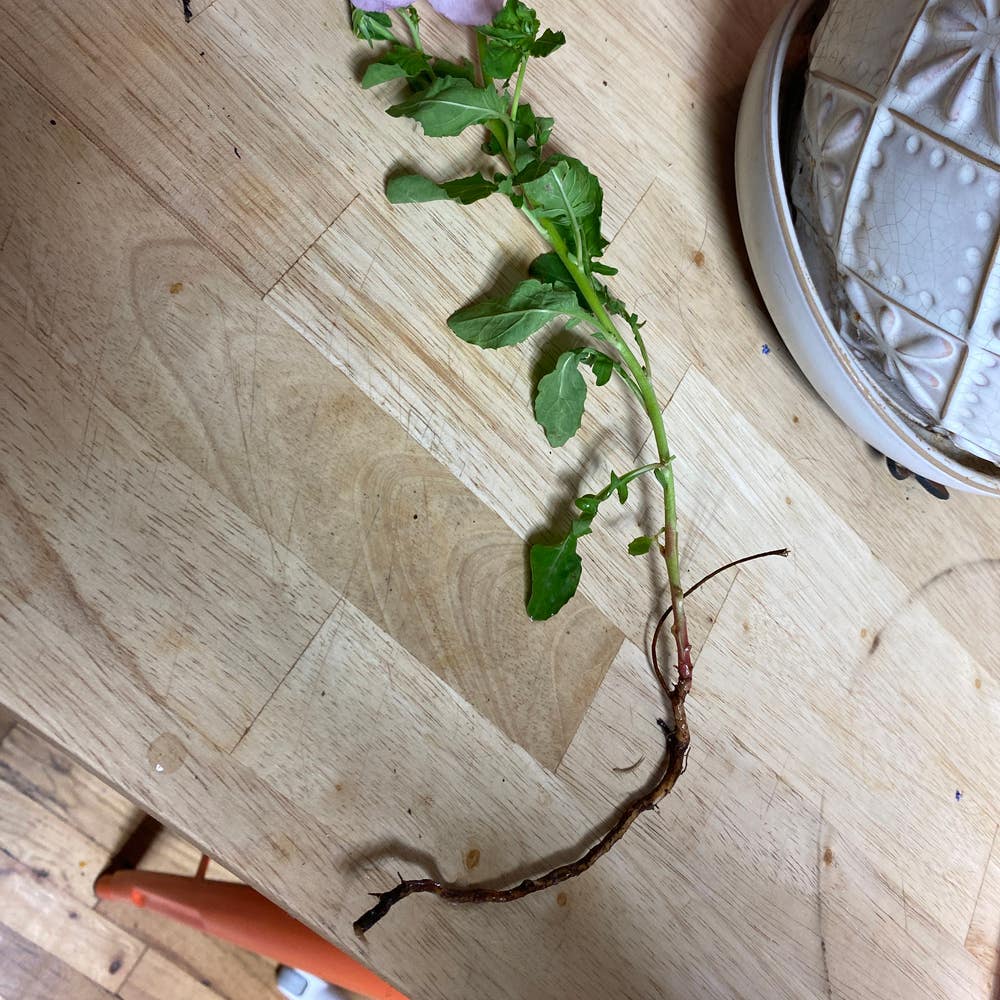
The root system of the Redsepal Evening Primrose is a powerhouse for regrowth. Its deep and extensive roots not only anchor the plant but also store nutrients and moisture, allowing it to bounce back year after year.
Throughout the seasons, this plant exhibits distinct growth phases. In spring, it awakens from dormancy, showcasing fresh growth, while summer brings forth vibrant blooms. As fall approaches, the plant prepares for dormancy, conserving energy for the next cycle.
This cyclical nature not only enhances the plant's resilience but also makes it a favorite among gardeners looking for low-maintenance beauty. With its robust growth patterns, the Redsepal Evening Primrose stands as a testament to the wonders of perennial plants.
As we delve deeper into the impact of its perennial nature, we’ll explore how these characteristics influence growth and flowering.
Impact of Perennial Nature
Effects on Growth and Flowering 🌸
The perennial classification of Redsepal Evening Primrose significantly influences its flowering frequency and duration. Unlike annual plants that bloom once and die, perennials like this one can flower multiple times throughout the growing season, providing a vibrant display year after year.
This extended blooming period not only enhances garden aesthetics but also supports local pollinators. The consistent availability of flowers can attract bees and butterflies, creating a lively ecosystem in your garden.
Overall Lifespan and Longevity Factors ⏳
Several factors play a crucial role in determining the longevity of Redsepal Evening Primrose. Soil quality, climate conditions, and care practices all contribute to how long this plant thrives in your garden.
In optimal conditions, you can expect this perennial to live for several years. However, in less favorable environments, its lifespan may shorten, highlighting the importance of proper care and attention to its growing conditions.
Dormancy and Seasonal Changes
🌱 Description of Dormancy Periods
Redsepal Evening Primrose typically enters dormancy in late fall as temperatures drop. This natural pause allows the plant to conserve energy and prepare for the harsher winter months.
Dormancy is crucial for maintaining plant health. It helps the plant survive adverse conditions and ensures robust regrowth when spring arrives.
🌸 Seasonal Changes Throughout the Year
As spring approaches, you’ll notice signs of life returning. New growth emerges as temperatures rise, signaling the end of dormancy.
Summer is when Redsepal Evening Primrose truly shines. The plant bursts into bloom, showcasing vibrant flowers that attract pollinators and enhance garden aesthetics.
In fall, foliage begins to change, preparing for dormancy once again. Leaves may turn yellow or brown, indicating the plant is winding down for the season, readying itself for winter's embrace.
Understanding these seasonal changes helps you appreciate the resilience and beauty of Redsepal Evening Primrose. This knowledge sets the stage for effective garden planning and care.
Advantages for Gardeners
Benefits of Reduced Replanting 🌱
One of the standout features of the Redsepal Evening Primrose is its perennial nature, which significantly reduces the need for replanting. Once established, these plants can thrive for several years, allowing gardeners to enjoy their beauty without the hassle of annual replanting.
This longevity not only saves time but also cuts down on costs associated with purchasing new plants each season. Investing in perennials like the Redsepal Evening Primrose means more blooms and less maintenance, making it a smart choice for any garden enthusiast.
Importance of Established Root Systems 🌳
The deep root systems of the Redsepal Evening Primrose offer numerous advantages. These roots enhance drought tolerance, allowing the plant to survive in less-than-ideal moisture conditions while efficiently accessing nutrients from the soil.
Moreover, established roots contribute to the plant's stability and longevity. A strong root system means the plant can withstand harsh weather and continue to flourish year after year, making it a resilient addition to any garden.
Incorporating Redsepal Evening Primrose into your garden not only simplifies your gardening routine but also ensures a vibrant and sustainable landscape. As we explore the variations across climate zones, you'll see how this plant adapts beautifully to different environments.
Variations Across Climate Zones
Differences in Perennial Behavior in Various Climates 🌍
Redsepal Evening Primrose showcases remarkable adaptability across diverse climate zones. Whether thriving in arid deserts or temperate gardens, this perennial plant adjusts its growth habits to suit its environment.
In hotter climates, it develops deeper roots to access moisture, enhancing its drought tolerance. Conversely, in cooler regions, it may exhibit a shorter growing season, focusing energy on robust root development before winter dormancy.
Factors Influencing Growth in Different Conditions 🌱
Soil quality plays a crucial role in the growth of Redsepal Evening Primrose. Well-draining, nutrient-rich soil promotes healthier plants, while compacted or poor-quality soil can stunt growth.
Moisture levels are equally important; consistent watering supports vigorous growth, but overwatering can lead to root rot. Additionally, climate-related factors like temperature, rainfall, and sunlight exposure directly influence flowering patterns and overall health.
Understanding these variables can help gardeners optimize conditions for their Redsepal Evening Primrose, ensuring vibrant blooms and robust growth. As we explore the next section, we'll delve into strategies for maximizing the benefits of this resilient plant in your garden planning.
Maximizing Benefits in Garden Planning
🌱 Tips for Long-Term Cultivation
To successfully cultivate Redsepal Evening Primrose, start with well-draining soil enriched with organic matter. This plant thrives in full sun, so choose a location that receives at least six hours of sunlight daily.
Regular watering is essential, especially during dry spells, but avoid waterlogging. Mulching can help retain moisture and suppress weeds, making maintenance easier.
🏗️ Importance of Soil Preparation and Ongoing Care
Soil preparation is crucial for robust growth. Test your soil pH; Redsepal Evening Primrose prefers slightly acidic to neutral conditions.
Ongoing care includes deadheading spent flowers to encourage more blooms. Fertilizing with a balanced, slow-release fertilizer in early spring can boost growth and flowering.
🌼 Strategies for Incorporating in Garden Design
Companion planting can enhance the health and aesthetics of your garden. Consider pairing Redsepal Evening Primrose with drought-tolerant plants like lavender or sedum, which share similar care needs.
Design-wise, group these plants in clusters for a striking visual impact. Their vibrant blooms can create a stunning focal point, especially when combined with contrasting foliage.
🎨 Design Considerations for Maximizing Visual Impact and Ecological Benefits
Incorporate varying heights and textures to create depth in your garden. Redsepal Evening Primrose can serve as a mid-height plant, complementing taller perennials and shorter ground covers.
Additionally, these plants attract pollinators, contributing to a thriving ecosystem. By planting them strategically, you not only enhance your garden's beauty but also support local wildlife.
With these tips and strategies, you can cultivate a flourishing garden that showcases the beauty of Redsepal Evening Primrose while minimizing maintenance efforts. Next, let's explore how variations across climate zones affect this resilient perennial.
⚠️ Safety First
This content is for general information and may contain errors, omissions, or outdated details. It is not medical, veterinary advice, or an endorsement of therapeutic claims.
Always consult a qualified healthcare professional before using any plant as food, medicine, or supplement.
Never eat any plant (or feed one to pets) without confirming its identity with at least two trusted sources.
If you suspect poisoning, call Poison Control (800) 222-1222, the Pet Poison Helpline (800) 213-6680, or your local emergency service immediately.
Spotted an error? Please report it here.
Enhance your garden's beauty and biodiversity with the resilient Redsepal Evening Primrose 🌼, and let Greg guide you with tailored care tips to ensure your plants thrive season after season!