🌸 Showy Pink Evening Primrose: A Perennial Plant
Oenothera speciosa
By the Greg Editorial Team
Sep 30, 2024•6 min read
This article was created with the help of AI so we can cover more plants for you. May contain errors. See one? Report it here.
Elevate your garden with the stunning Showy Pink Evening Primrose, a resilient perennial that blooms beautifully every year! 🌸
- 🌸 Showy Pink Evening Primrose thrives in sunny gardens, enhancing nighttime aesthetics with vibrant blooms.
- 🌱 Drought-resistant and low-maintenance, it’s perfect for various soil conditions and climates.
- 🐝 Attracts pollinators from late spring to early fall, supporting local ecosystems.
Characteristics of Showy Pink Evening Primrose as a Perennial
Key Traits 🌸
The Showy Pink Evening Primrose, scientifically known as Oenothera speciosa, is a striking perennial that captivates with its vibrant blooms. Native to North America, it flourishes in well-drained soils and thrives under full sun, making it a perfect choice for sunny gardens.
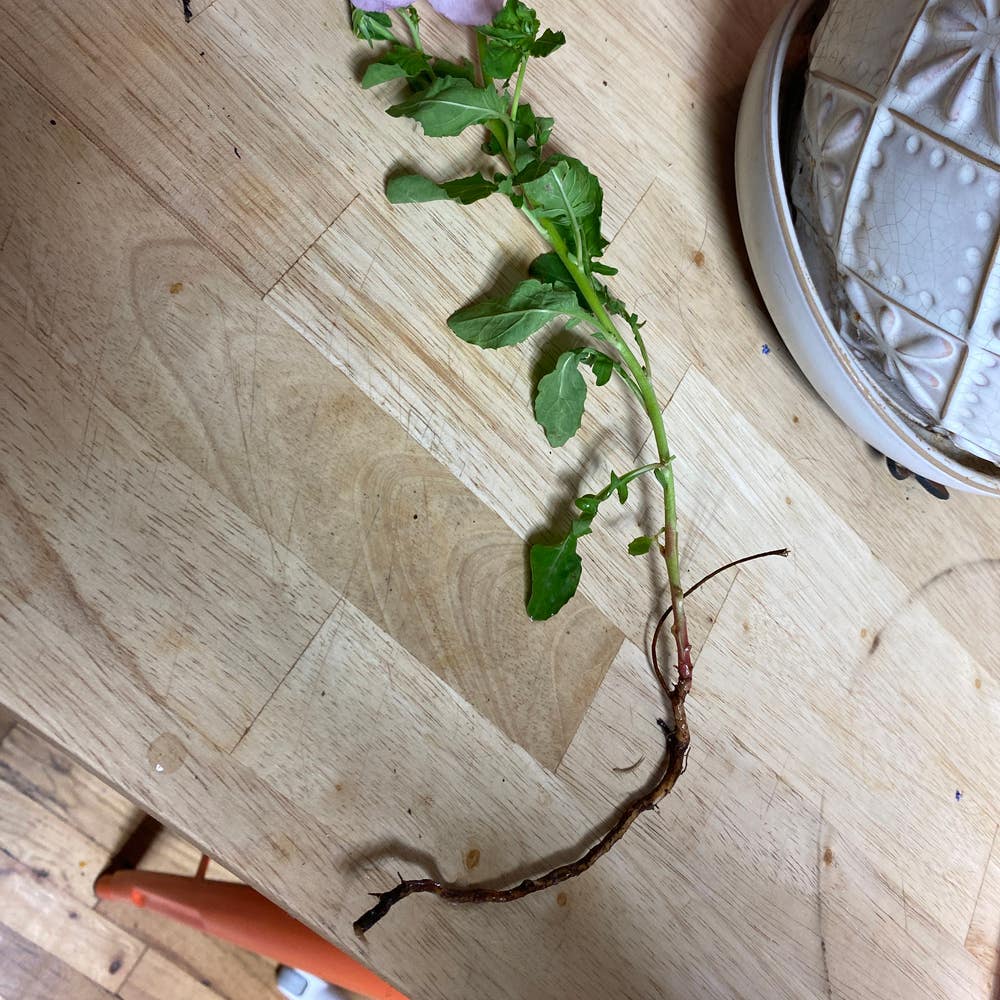
These plants are known for their large, showy pink flowers that bloom in the evening, creating a stunning visual display. Their deep taproot system not only provides drought resilience but also anchors the plant securely in the soil.
Another fascinating aspect of the Showy Pink Evening Primrose is its ability to spread through self-seeding. This characteristic allows it to establish itself in various locations, ensuring a continuous presence in your garden.
In summary, the Showy Pink Evening Primrose combines beauty and resilience, making it an excellent addition to any perennial garden. Its unique traits not only enhance your landscape but also contribute to a sustainable gardening practice.
As we delve deeper into its lifecycle and growth patterns, you'll discover how this remarkable plant continues to thrive year after year.
Lifecycle and Growth Patterns
🌱 Multi-Year Lifecycle
The lifecycle of the Showy Pink Evening Primrose, or Oenothera speciosa, is a fascinating journey that begins with germination. Seeds sprout into young plants, marking the start of their multi-year existence.
As these plants mature, they develop into vibrant flowering specimens. This process is not just about growth; it also includes reproduction through self-seeding and regrowth from their robust roots.
🌿 Growth Patterns and Regrowth from Roots
One of the standout features of the Showy Pink Evening Primrose is its deep taproot system. This structure is crucial for accessing nutrients and water, allowing the plant to thrive even in challenging conditions.
Each year, the roots support seasonal regrowth, ensuring that the plant can bounce back and flourish. This resilience is a key reason why gardeners love incorporating this perennial into their landscapes.
With its ability to adapt and regenerate, the Showy Pink Evening Primrose offers a reliable and beautiful addition to any garden. As we move forward, let’s explore its flowering cycles and lifespan, which further highlight its unique characteristics.
Flowering and Lifespan
🌸 Flowering Cycles and Seasonal Changes
The Showy Pink Evening Primrose typically blooms from late spring to early fall. This timing allows it to take full advantage of the warm weather, showcasing its stunning pink flowers.
These flowers are particularly enchanting as they open in the evening, attracting a variety of pollinators like moths and bees. This unique blooming behavior not only enhances the garden's nighttime beauty but also supports local ecosystems.
The blooms can last for several days, providing a continuous display throughout the growing season. This longevity makes them a favorite among gardeners looking for vibrant, low-maintenance plants.
⏳ Expected Lifespan and Factors Influencing Longevity
The typical lifespan of the Showy Pink Evening Primrose ranges from 3 to 5 years, although with optimal conditions, it can live even longer. This resilience makes it a worthwhile addition to any garden.
Several factors influence its longevity:
Soil Quality: Well-drained soils are crucial for healthy growth. Poor drainage can lead to root rot and other issues.
Sunlight Exposure: These plants thrive in full sun, which is essential for robust flowering and overall health.
Water Availability: While they are drought-resistant, consistent moisture during dry spells can significantly enhance their vitality.
Understanding these factors can help you create the ideal environment for your Showy Pink Evening Primrose, ensuring it flourishes for years to come.
As we explore the next section, we'll delve into the dormancy periods and seasonal changes that affect this resilient perennial.
Dormancy and Seasonal Changes
Dormancy Periods 🌙
Dormancy in the Showy Pink Evening Primrose typically occurs during the colder months. This is when the plant conserves energy, and you might notice a significant reduction in foliage and growth.
Signs of dormancy include yellowing leaves and a general lack of new growth. Understanding these changes helps gardeners know when to adjust their care routines.
Seasonal Changes and Their Effects on Growth 🌦️
Temperature changes play a crucial role in the lifecycle of the Evening Primrose. As temperatures drop, the plant prepares for dormancy, while warmer weather signals the start of new growth.
Seasonal rainfall also impacts growth patterns significantly. Adequate moisture during the growing season promotes robust flowering, while drought conditions can hinder development and flowering potential.
In summary, recognizing dormancy and seasonal changes is essential for nurturing the Showy Pink Evening Primrose effectively. This understanding allows gardeners to provide the right care at the right time, ensuring vibrant blooms and healthy growth.
Next, we’ll explore the advantages this perennial offers to gardeners, highlighting its long-term benefits and ease of maintenance.
Advantages for Gardeners
Benefits of Reduced Replanting 🌱
Showy Pink Evening Primrose is a fantastic long-term investment for any garden. As a perennial, it offers cost-effectiveness, allowing you to enjoy vibrant blooms year after year without the hassle of replanting.
Less frequent replanting means less work for you. This plant thrives with minimal maintenance, freeing up your time for other gardening adventures.
Importance of Established Root Systems 🌳
One of the standout features of Showy Pink Evening Primrose is its deep taproot system. This robust root structure enhances drought resistance, ensuring the plant survives even in challenging conditions.
Established roots also play a crucial role in nutrient access. They reach deep into the soil, drawing essential nutrients that contribute to the overall health and vitality of the plant.
In summary, the Showy Pink Evening Primrose not only beautifies your garden but also simplifies your gardening routine. With its resilience and low maintenance needs, it's a perfect choice for both novice and seasoned gardeners alike.
Next, we’ll explore how climate variations can influence the behavior of this remarkable perennial.
Climate Zone Variations
🌍 Variations in Perennial Behavior Across Climates
The Showy Pink Evening Primrose exhibits fascinating variations in its behavior depending on the climate zone. In warmer regions, flowering may occur earlier in the season, while cooler areas might see blooms delayed until late spring.
Dormancy periods also shift with climate. In milder climates, the plant may remain evergreen, while in harsher zones, it can go dormant for several months, conserving energy until conditions improve.
🌱 Tips for Maximizing Benefits
Selecting the right planting location is crucial for thriving Showy Pink Evening Primrose. Aim for spots that receive full sun and have well-drained soil to mimic its native habitat.
Adjusting care practices based on climate conditions can significantly enhance growth. For instance, in drier areas, consider mulching to retain moisture, while in wetter climates, ensure proper drainage to prevent root rot.
To boost flowering and overall health, consider these recommendations:
- Soil Testing: Regularly check soil quality and amend as necessary.
- Watering Schedule: Adapt your watering routine to seasonal rainfall patterns.
- Pruning: Lightly prune after flowering to encourage new growth.
By understanding these climate variations and implementing tailored care strategies, you can enjoy the vibrant blooms of Showy Pink Evening Primrose for years to come. This adaptability makes it a rewarding addition to any garden.
⚠️ Safety First
This content is for general information and may contain errors, omissions, or outdated details. It is not medical, veterinary advice, or an endorsement of therapeutic claims.
Always consult a qualified healthcare professional before using any plant as food, medicine, or supplement.
Never eat any plant (or feed one to pets) without confirming its identity with at least two trusted sources.
If you suspect poisoning, call Poison Control (800) 222-1222, the Pet Poison Helpline (800) 213-6680, or your local emergency service immediately.
Spotted an error? Please report it here.
Transform your garden with the vibrant blooms of Showy Pink Evening Primrose 🌸, and let Greg guide you with tailored care tips and reminders for thriving plants all season long!