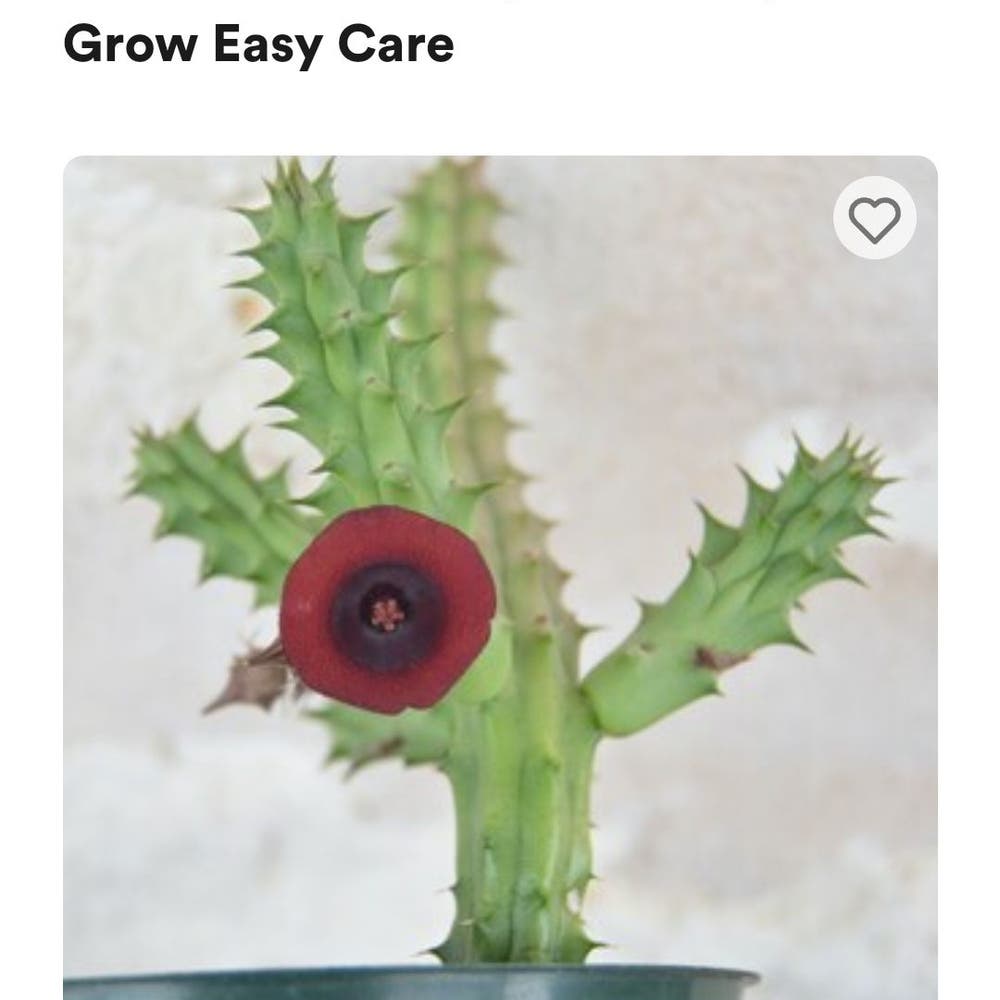
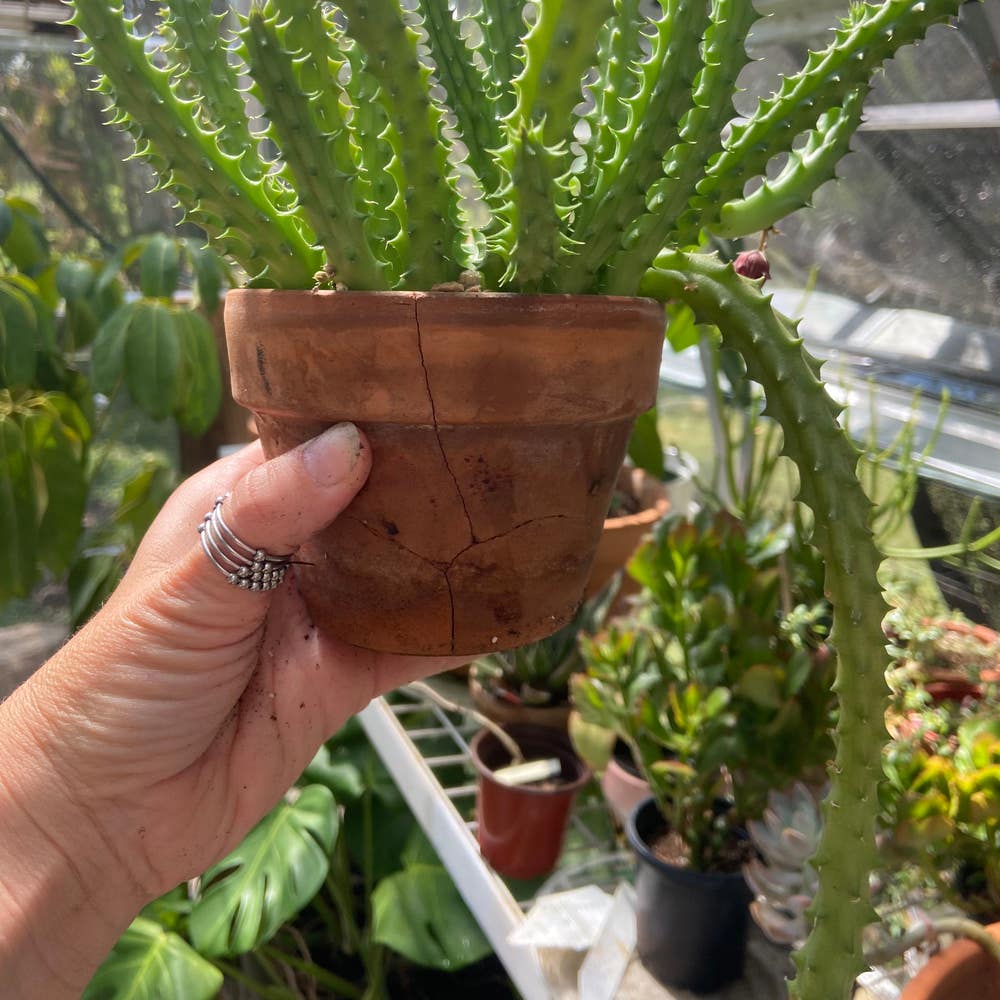
Why Are the Leaves on My Red Dragon Flower Turning Yellow?
Huernia schneideriana
By the Greg Editorial Team
Jan 31, 2024•3 min read
This article was created with the help of AI so we can cover more plants for you. May contain errors. See one? Report it here.
Solve the yellow leaf puzzle 🍂 of your Red Dragon Flower and reclaim its vibrant green glory!
- Water wisely: Too much or too little can yellow leaves.
- Light and temperature balance is crucial for leaf health.
- Monitor and adjust care using calendars, meters, and timers.
Pinpointing the Culprits Behind Yellow Leaves
💧 Insufficient Watering
Yellowing leaves on your Red Dragon Flower can be a distress signal for more water. The plant's leaves may appear limp and lifeless, a clear sign they're not getting enough hydration. Check the soil; if it's dry below the surface, it's time to water.
💦 Overindulgence in Water
Conversely, yellow leaves could indicate overwatering. Roots drowning in moisture can't breathe, leading to a sickly plant. Ensure the pot has proper drainage and wait for the topsoil to dry out before watering again.
🌞 Light: Finding the Balance
If watering isn't the issue, light might be. Leaves that are yellowing and falling off could be crying out for more light, while those with a bleached appearance might be getting too much. Adjust your plant's location to ensure it receives bright, indirect sunlight.
🌡️ Temperature Swings
Finally, don't overlook temperature. Red Dragon Flowers are sensitive to changes in their environment. Keep them away from drafts and sudden temperature fluctuations to prevent stress-induced yellowing. Stable temperatures are key to maintaining leaf health.
Turning Over a New Leaf: Corrective Steps
🚿 Rescuing Over or Underwatered Plants
First, check the soil. If it's soggy, ease up on the H2O; roots need to breathe. For parched plants, a thorough soak might be in order. Remember, it's a fine line between quenched and drowned.
Next, consider repotting. Fresh soil can offer a new lease on life, but don't go overboard—gentle handling is key. Overzealous root disturbance spells trouble.
🌞 Adjusting Light and Shade
Light is a plant's best friend, but too much can turn it into a foe. If your Red Dragon Flower's leaves scream "I'm too hot!", find a spot with indirect sunlight. Gradual moves prevent light shock.
Shade is your ally when the sun is relentless. A sheer curtain can work wonders, diffusing those harsh rays. It's like sunscreen for your leafy pal.
🌡️ Stabilizing Temperature
Consistency is the name of the game. Plants despise surprises, especially the chilly kind. Keep temperatures steady, and your Red Dragon Flower won't throw a tantrum.
Quick fixes include moving your plant away from drafty windows or hot radiators. Think of it as giving your plant its own personal climate bubble.
Keeping the Green: Preventative Strategies
💧 Water Wisdom
Creating a watering calendar that suits your Red Dragon Flower can be a game-changer. It's about precision, not guesswork.
- Monitor the moisture with a soil meter to avoid the extremes of a desert or a swamp.
- Adjust seasonally; your plant's thirst isn't static. Less in winter, more in summer.
☀️ Light Consistency
Use light meters and timers to maintain perfect exposure.
- Bright, indirect light is the sweet spot for your Red Dragon Flower.
- Avoid the harsh afternoon sun like you'd avoid spoilers for your favorite show.
🌡️ Temperature Control
Tools and techniques to avoid temperature-related discoloration are essential.
- Consistent temperatures keep your plant from throwing a tantrum.
- Avoid extremes; think of your plant as preferring a mild spring day, every day.
⚠️ Safety First
This content is for general information and may contain errors, omissions, or outdated details. It is not medical, veterinary advice, or an endorsement of therapeutic claims.
Always consult a qualified healthcare professional before using any plant as food, medicine, or supplement.
Never eat any plant (or feed one to pets) without confirming its identity with at least two trusted sources.
If you suspect poisoning, call Poison Control (800) 222-1222, the Pet Poison Helpline (800) 213-6680, or your local emergency service immediately.
Spotted an error? Please report it here.
Keep your Red Dragon Flower's leaves from yellowing by using Greg to monitor moisture 🌧 and light, ensuring your plant thrives in its environment.