Common Red Dragon Flower Problems
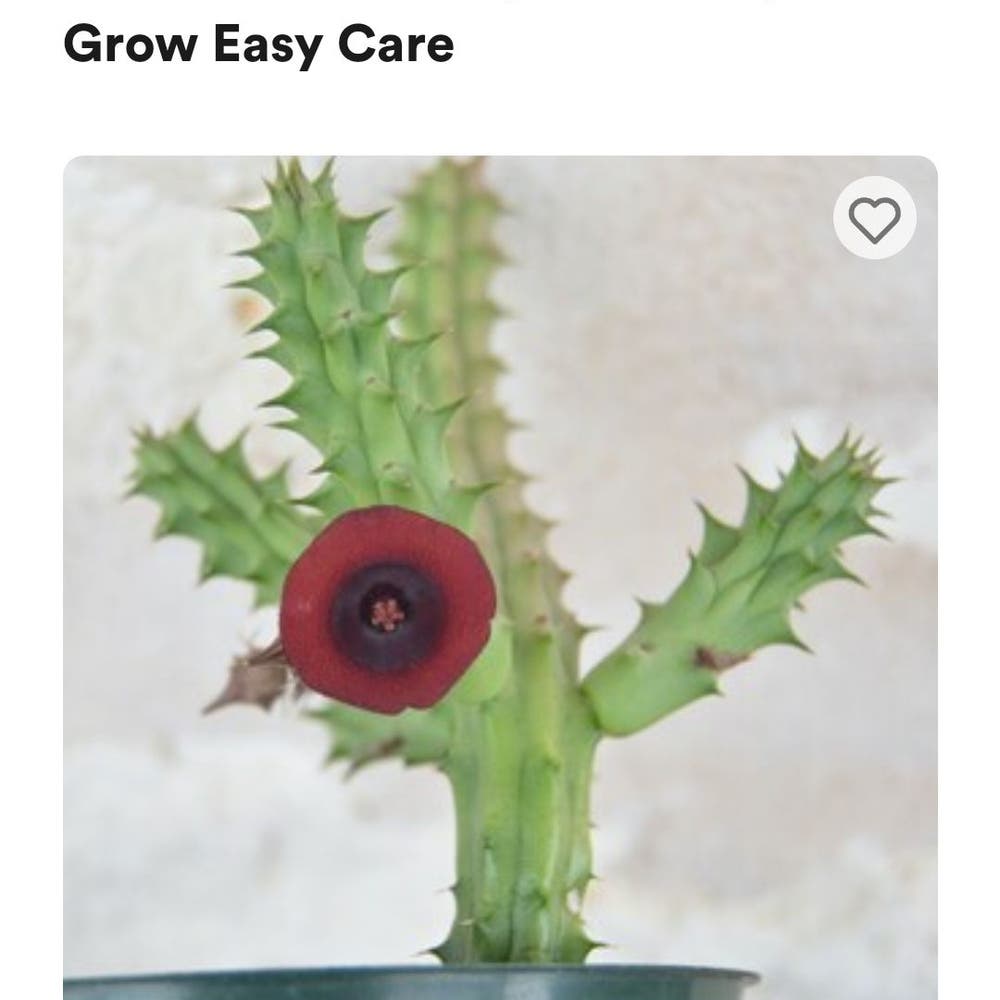
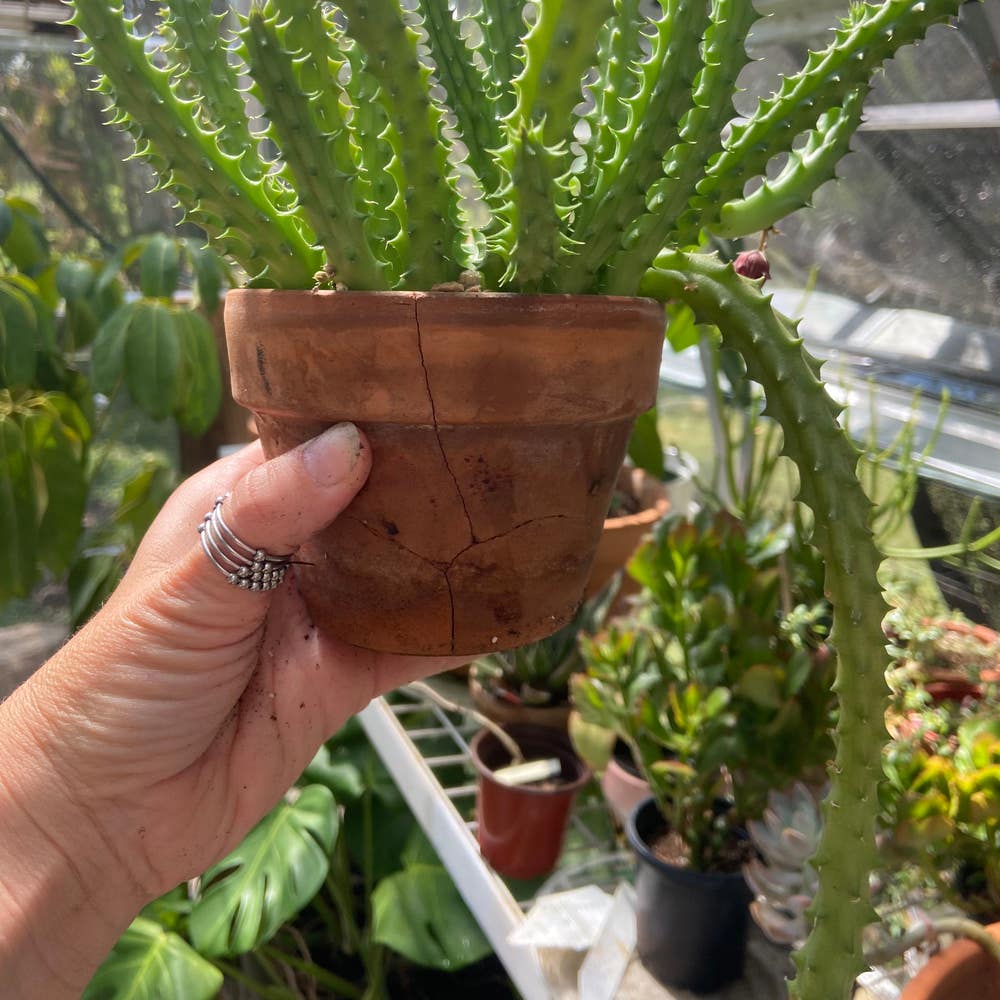
Huernia schneideriana
By the Greg Editorial Team
Jan 31, 2024•5 min read
This article was created with the help of AI so we can cover more plants for you. May contain errors. See one? Report it here.
Nurture your Red Dragon Flower to vibrant health with these must-know care secrets! 🌺
- Overwatering? Yellow, swollen leaves signal trouble; use a moisture meter.
- Sunburned or chilly? Find bright, indirect light and maintain a consistent temperature.
- Pests and mold? Introduce predators, increase airflow, and adjust watering.
When Water Woes Strike
💧 Overwatering the Red Dragon Flower
Yellowing leaves and a sense of sogginess in the soil are the traitor's flags of overwatering. Your Red Dragon Flower might look like it's had one too many, with leaves that are swollen and translucent, ready to burst. To rescue your waterlogged buddy:
- Cut back on the H2O. Let the soil dry out like a desert between waterings.
- Check that your pot isn't holding water hostage; drainage is key.
- A moisture meter can be your new best friend, keeping those water levels in check.
🏜️ Underwatering Mishaps
On the flip side, a thirsty Red Dragon Flower will have leaves that are more wrinkled than a linen shirt in a suitcase. They'll be lackluster and as crispy as overdone bacon. When your plant's soil is drier than a stand-up comedian, it's time to hydrate. But do it right:
- Submerge the pot in water for a good 5-10 minutes, then let it drain. It's like a spa day for your plant's roots.
- Moisture on the soil's surface? That's your cue to stop. Overwatering after underwatering is like jumping out of the frying pan and into the fire.
- Going forward, check the soil daily. If it's dry two inches down, it's time for a drink. And if you're constantly underwatering, consider a pot that's less of a sieve.
Light and Temperature Tango
🌞 Too Much Sun, Too Little Shade
Leaf scorch is the Red Dragon Flower's cry for help when it's had too much sun. Look for leaves with crispy edges or a bleached appearance. To remedy this, move your plant to a spot with bright, indirect light. It's all about finding that sweet spot where the rays are present but not punishing.
🔄 Shifting to the Perfect Spot
Finding the ideal light balance is key. If your plant's leaves are reaching for the stars on one side and playing hide and seek on the other, you've got a light distribution issue. Time to rotate your plant or find a new home for it that's just right.
🌡️ Chilly Drafts and Heat Waves
Temperature swings can make your Red Dragon Flower act out. Signs of stress include wilting leaves or a sudden halt in growth. It's like your plant is saying, "I'm not okay with this roller coaster weather."
Keeping Your Red Dragon Flower Comfy
The ideal temperature setting for your Red Dragon Flower is a consistent, comfortable range. Avoid placing it near drafty windows or heat sources. Think of its ideal environment as a steady spring day, every day, to keep it thriving.
Battling Pests and Pathogens
🐛 Unwanted Guests: Pests on Your Red Dragon Flower
Pests can turn your Red Dragon Flower from a botanical beauty into a sad, sagging mess. Aphids, spider mites, and mealybugs are the usual suspects, treating your plant like a free-for-all buffet.
🕵️ Identifying the Culprits
Look for yellowing leaves, sticky residue, or fine webbing to spot these invaders. Aphids love to cluster underneath leaves, while spider mites are web-spinning ninjas, and mealybugs look like tiny cotton clumps.
🌿 Natural Defenses
To kick pests to the curb, introduce natural predators like ladybugs or lacewings. A blast of water or a dab of insecticidal soap can also disrupt their shindigs. Remember, chemical pesticides are a last resort; think of them as the bouncer you call when the party really gets out of hand.
🍄 Fungal Foes: Mold and Root Rot
Fungi are the stealthy party crashers of the plant world, bringing mold and root rot to the roots and stems of your Red Dragon Flower.
🕵️ Spotting the Signs
Mold appears as a fuzzy white coating, while root rot might give off a funky smell or turn your plant's stems into a squishy mess. If your plant is wilting but the soil is wet, you might have a fungal fiesta on your hands.
🛡️ Prevention and Cure
Boost airflow and adjust your watering schedule to shut down the fungal rave. If you're already seeing signs of mold or root rot, remove affected areas with sterilized shears and consider a fungicide. It's like flipping on the lights at a party—suddenly, it's not so fun for the uninvited guests.
Reviving a Struggling Red Dragon Flower
🚨 The Tell-tale Signs of Distress
Wilted leaves and stunted growth are the Red Dragon Flower's SOS. They're not just having a bad day; they're screaming for help. If the leaves look like they've given up on life, it's a sign your plant is in trouble. Brown spots with a yellow halo? That's the plant equivalent of a red alert.
🏥 First Aid for the Red Dragon Flower
Immediate action is crucial when your Red Dragon Flower hits a rough patch. Start by snipping off any damaged leaves to focus the plant's energy on recovery. Check the soil; if it's Sahara-desert dry, it's time for a drink, but don't drown it—think of a refreshing sip, not a flood.
Root inspection is like a health check-up. If the roots are mushier than overcooked noodles, you've got root rot. If they're drier than a stand-up comedian's wit, they're too thirsty. Adjust your watering habits accordingly.
For long-term recovery, consider repotting with fresh, well-draining soil. This gives your plant a new lease on life. Keep an eye out for pests or diseases; they're like unwanted party crashers. If you spot them, show them the door with eco-friendly pest control.
Lastly, remember that the Red Dragon Flower is a tough cookie. It's got a water-storing superpower in those fleshy leaves, so it's more forgiving than most. With a bit of TLC, your plant can bounce back from the brink.
⚠️ Safety First
This content is for general information and may contain errors, omissions, or outdated details. It is not medical, veterinary advice, or an endorsement of therapeutic claims.
Always consult a qualified healthcare professional before using any plant as food, medicine, or supplement.
Never eat any plant (or feed one to pets) without confirming its identity with at least two trusted sources.
If you suspect poisoning, call Poison Control (800) 222-1222, the Pet Poison Helpline (800) 213-6680, or your local emergency service immediately.
Spotted an error? Please report it here.
Revitalize your Red Dragon Flower by letting Greg keep an eye on hydration levels 💧 and send you precise care reminders for a flourishing comeback.