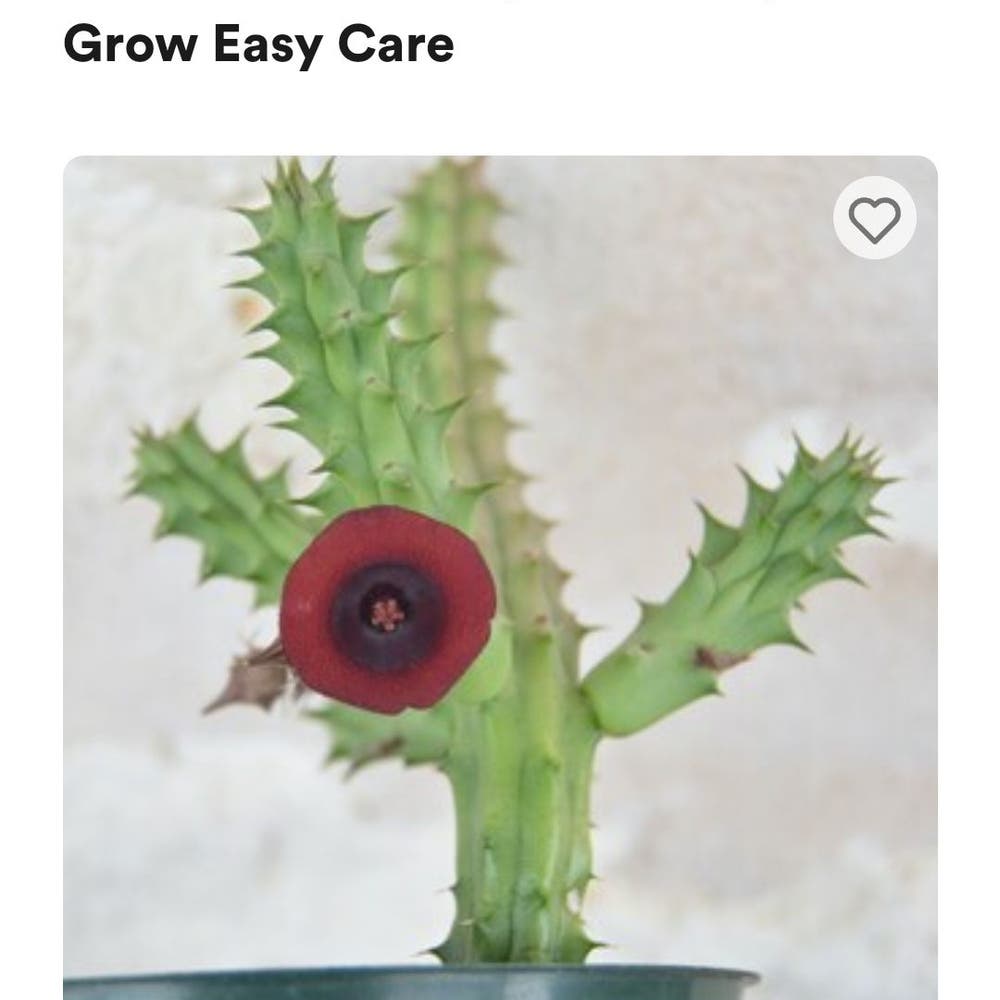
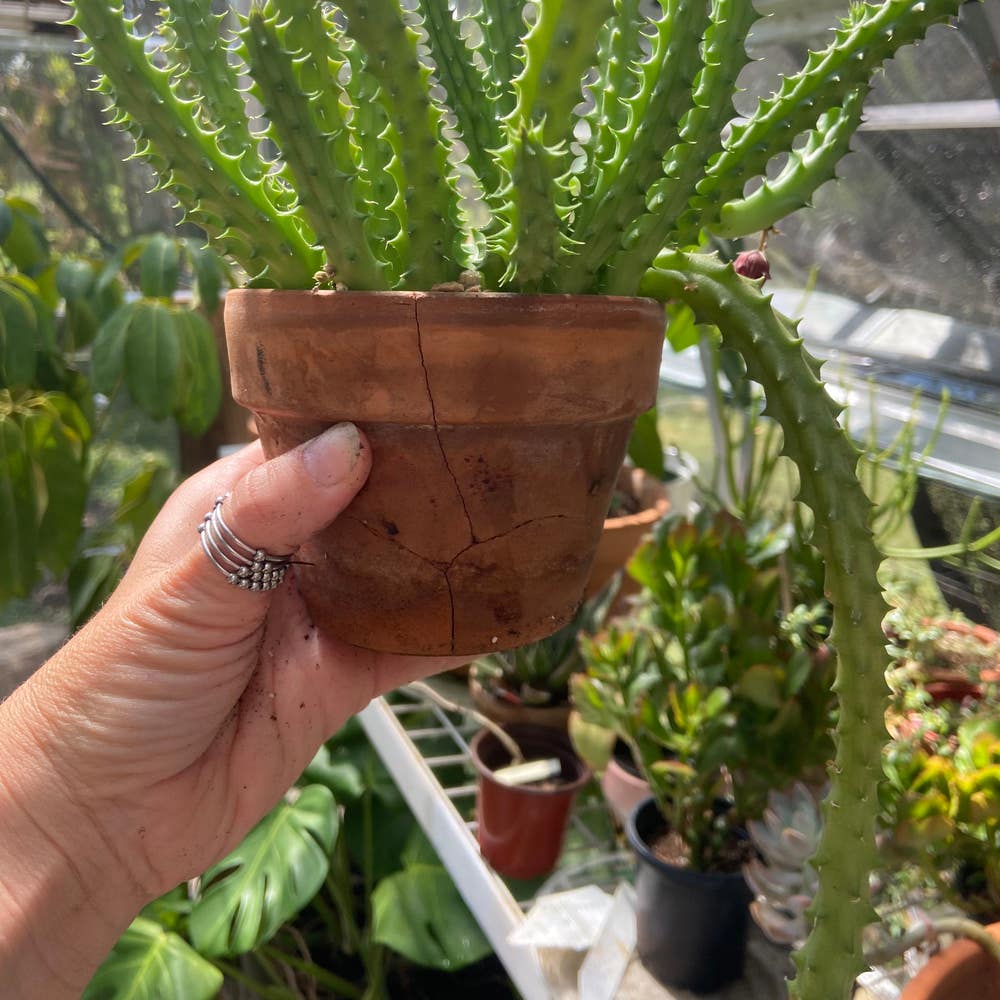
How to Propagate Your Red Dragon Flower
Huernia schneideriana
By the Greg Editorial Team
Jan 31, 2024•5 min read
This article was created with the help of AI so we can cover more plants for you. May contain errors. See one? Report it here.
Propagate a vibrant Red Dragon garden 🌺 and ignite your green thumb with this expert guide!
- Choose vibrant, firm stems for cuttings and sterilize tools to prevent disease.
- Ideal propagation environment: 75°-80°F, 85% humidity, bright indirect light.
- Monitor and adjust watering, light, and soil for healthy growth post-propagation.
Choosing Your Propagation Adventure
🌱 Stem Cuttings: Snip, Dip, and Plant
Selecting the Right Stem
Healthy stems are your golden ticket to propagation success. Look for stems that scream vitality—vibrant, firm, and pest-free. Disinfect those shears and make a confident snip below a node.
Prepping Your Cuttings
Sterilize your tools—it's like a plant surgery prep. Aim for 4-6 inch cuttings with a couple of leaves at the top. Strip the lower leaves to avoid rot and give your cutting a fighting chance.
Rooting Hormone: Yes or No?
Rooting hormone isn't mandatory, but it's like a success booster for your cuttings. Dip the end, but remember, a little goes a long way. No hormone on hand? Some swear by natural alternatives like honey.
🌿 Division: Multiply by Dividing
Timing is Everything
Divide in spring—it's like a fresh start for your plant. This is when the plant's energy is surging, making it the perfect time for a gentle separation.
The Division Process
Carefully tease apart the root ball, ensuring each new plant has roots and leaves. It's a delicate dance of separation, requiring patience and a soft touch.
Post-Division Care
After the split, treat your divisions to a light watering—think hydration, not a flood. It's crucial for recovery, helping your new plants settle in without the stress of drowning.
Setting the Stage for Success
💡 The Perfect Environment
Creating the ideal environment for Red Dragon Flower propagation is a balancing act. Light is crucial; aim for bright but indirect to avoid scorching your cuttings. Temperature should hover between 75° and 80°F, creating a cozy warmth that roots can snuggle into. Humidity is the silent cheerleader, with 85% relative humidity being the sweet spot—any less, and you might as well be rooting cacti.
🍽️ Soil and Container Choices
Soil should be the Goldilocks of growing mediums—not too dense, not too sandy. A mix of peat moss, loam, and sand strikes the right balance. For containers, terracotta is a solid choice, breathable and down-to-earth, just like your propagation ambitions.
🚰 Watering Wisely
Watering is less of a chore and more of a ritual. Keep the soil damp, like a wrung-out sponge, and avoid drenching it. Before watering, do the finger-test—if the soil sticks to your finger, it's a no-go zone for more water. Remember, overwatering is the fast track to root rot, and nobody wants that drama.
Growing Pains: Monitoring and Troubleshooting
👀 Keeping an Eye Out
Vigilance is your secret weapon when it comes to propagation. As your Red Dragon Flower cuttings and divisions begin their journey, new growth is the high-five you're looking for. But keep those peepers peeled for the party poopers: discoloration and wilting. These are the SOS signals of the plant world, and they demand quick action.
🚑 Common Hiccups
Wilting cuttings are the drama queens of propagation, often hinting at dehydration or a root system that's not yet robust. If your plant babies are throwing a fit, check their moisture levels. Not too soggy, not too dry—think Goldilocks.
Root rot is the silent assassin in the propagation game. If you spot a cutting turning into plant mush, it's a red flag. This could be a sign your water's too chilly or stagnant. Aim for lukewarm, filtered water, changed out twice a week, and keep algae at bay with a gentle rinse.
Stalled growth can be a real head-scratcher. If your cuttings are more still life than life, consider the soil you're using. A well-draining mix can be the difference between thriving and barely surviving. And don't forget about light—bright, indirect sunlight is the secret sauce for growth. Too little and your plants sulk; too much and they're toast. Adjust as needed.
Sometimes, despite your best pep talks and perfect playlists, a cutting just won't take. It's not you; it's them. If your cutting is shedding leaves like it's in a ticker-tape parade, it might be time to go back to the parent plant and pick a more robust contender. Remember, propagation is not a monogamous relationship—play the field.
The Big Move: Potting and Acclimatizing
🌱 Potting Like a Pro
Choosing the Right Pot and Soil Mix
Select a pot that's a size up from your plant's current one—think comfort without the excess. Ensure it has drainage holes; soggy roots are a no-go. For the soil mix, grab something that drains well yet holds moisture, like a mix of peat, perlite, and vermiculite. Organic matter? Yes, please. But keep the pH drama-free; these plants aren't picky.
The Planting Process
Clean pot, check. Soil mix, check. Now, gently introduce your plant to its new abode. Keep the roots at their original depth—no burying secrets here. Firm the soil around the base, just enough to say, "I've got you." Water to settle the roots, but don't drown them in enthusiasm.
🌿 Easing into the New Environment
Gradual Introduction
Think of it as a plant's first day at school—ease into the light and temperature changes. Start with a spot that offers bright, indirect sunlight. Direct rays? Not yet. Let your plant get its bearings without the harsh glare of reality. Keep the soil moist but not a swamp. Hold off on the fertilizer; let's not overwhelm with too much too soon.
Acclimatization
Over a week or so, let your plant get to know its surroundings. Gradually introduce it to more light, a bit like dipping your toes in before the full plunge. Watch for signs of stress—wilting is a cry for help. Be patient; good things take time, and plants are no exception.
⚠️ Safety First
This content is for general information and may contain errors, omissions, or outdated details. It is not medical, veterinary advice, or an endorsement of therapeutic claims.
Always consult a qualified healthcare professional before using any plant as food, medicine, or supplement.
Never eat any plant (or feed one to pets) without confirming its identity with at least two trusted sources.
If you suspect poisoning, call Poison Control (800) 222-1222, the Pet Poison Helpline (800) 213-6680, or your local emergency service immediately.
Spotted an error? Please report it here.
Propagate your Red Dragon Flower seamlessly 🌱 by leveraging Greg's custom environment monitoring and care reminders for a thriving propagation journey.