How Do I Cure Red Dragon Flower Root Rot?
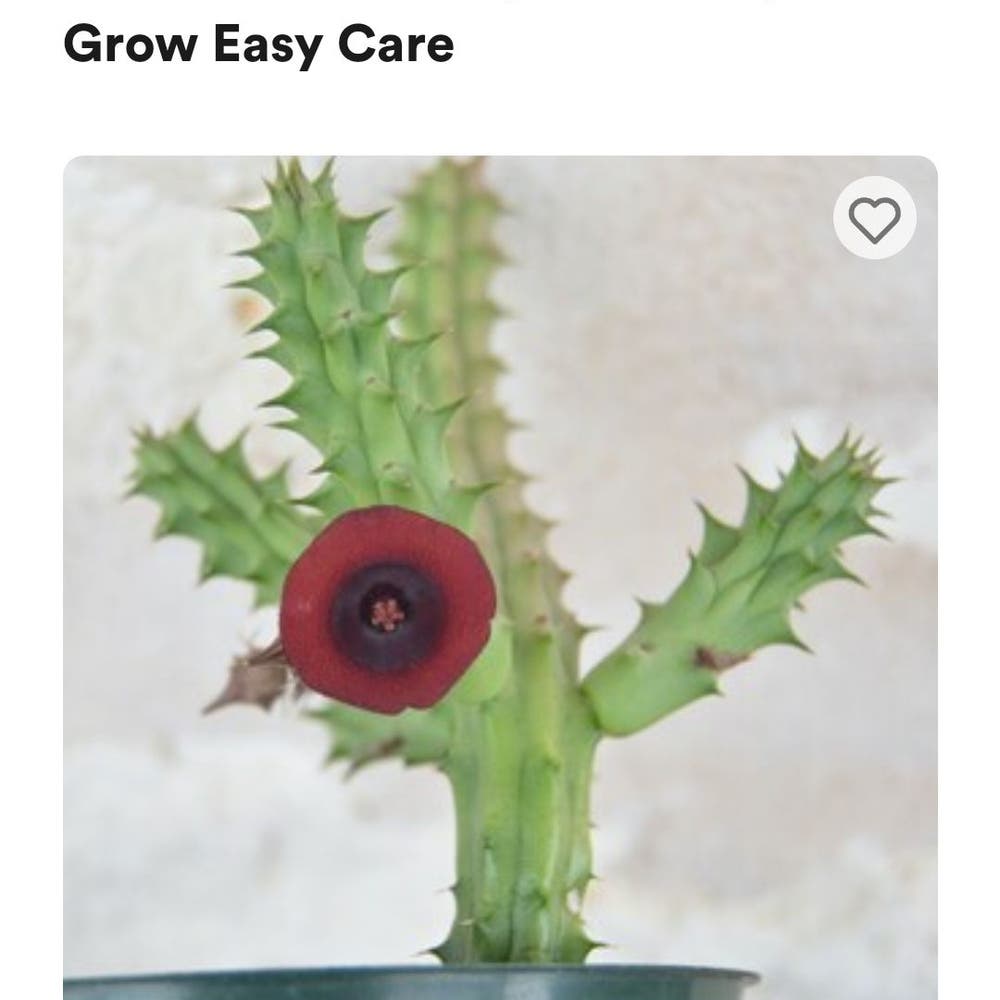
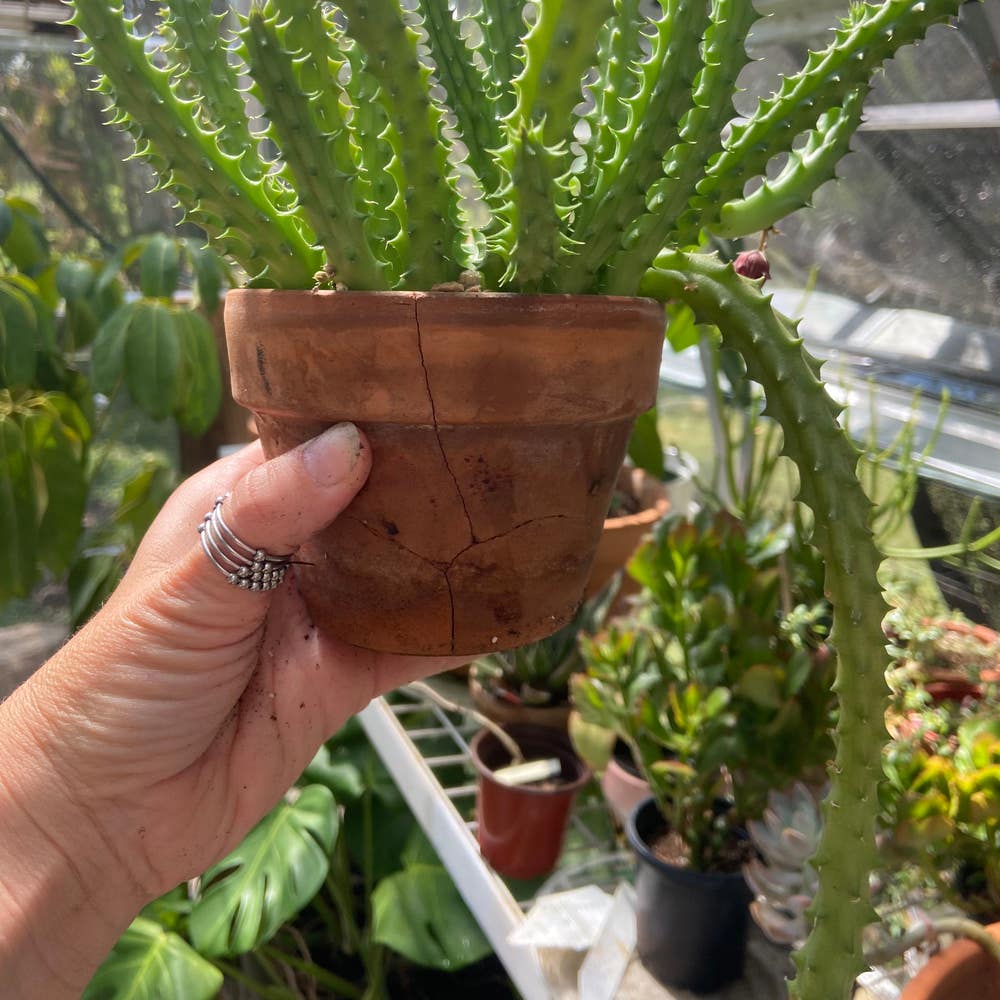
Huernia schneideriana
By the Greg Editorial Team
Jan 31, 2024•4 min read
This article was created with the help of AI so we can cover more plants for you. May contain errors. See one? Report it here.
Rescue your Red Dragon Flower from root rot 🚑 with life-saving care tips! 🌺
- 🚫 Stop watering and improve drainage to combat root rot.
- ✂️ Prune damaged roots and leaves; apply fungicide cautiously.
- 🌱 Prevent with well-draining soil and correct watering routines.
Spotting the Red Flags: Identifying Root Rot
🚩 Visual Symptoms
Yellowing leaves and wilting are your Red Dragon Flower's way of waving a red flag. If the plant looks more like it's giving up than growing up, it's time to pay attention. A foul soil odor is not your average earthy scent; it's a cry for help from beneath the surface. Leaves dropping like flies? That's another sign your plant's roots are in distress.
🕵️♂️ Root Inspection
To confirm your suspicions, it's time to get your hands dirty. Gently remove your plant from its pot and check the roots. Healthy roots are firm and white, but if they're mushy and brown, you've hit the root rot jackpot. The texture should be resilient, not reminiscent of overcooked spaghetti. If the roots crumble with a gentle tug, you're dealing with decay. A swamp-like smell is a dead giveaway—root rot is present, and it's time for action.
First Response: Immediate Treatment Steps
🛑 Stop the Rot
When root rot rears its ugly head in your Red Dragon Flower, it's time for triage. Cease watering immediately to prevent further damage. Improving drainage is non-negotiable—consider repotting with a fast-draining mix or raising the pot for better air flow. Dry out the soil and let the roots breathe; it's like first aid for your plant's foundation.
✂️ Prune to Save
Grab your sterilized scissors or shears—it's surgery time. Gently remove the plant from its pot and shake off excess soil. Run water over the roots to spot the rotted villains. Snip away the damaged roots and leaves; think of it as cutting away the bad to save the good. Match the foliage pruning to the root loss to keep the plant balanced and less shocked.
💊 Fungicide to the Rescue
After the trim, it's fungicide time. Not all fungicides are created equal, so choose wisely. A copper-based option is a good start, but feel free to consult a plant health expert if you're unsure. Apply it as directed—whether it's a soil drench or a root dip. Remember, fungicides are a backup, not a silver bullet; they support recovery, not guarantee it.
Long-Term Care: Preventing Future Root Rot
💧 Watering Wisdom
Watering is a balancing act. To prevent root rot, water only when the top layer of soil feels dry. Ensure pots have drainage holes to avoid water logging. Overwatering is a no-no; it's like giving your plant a death sentence.
🌱 Soil and Pot Mastery
Choose wisely when it comes to soil and pots. A well-draining soil mix is non-negotiable. Think of it as the comfy sneakers for your plant's roots—necessary for good health. The pot size should be just right; too big and you risk water retention, too small and your plant will feel cramped.
🌿 Soil Aeration and Drainage
A soil mix with peat, perlite, and vermiculite is the trifecta for optimal drainage. It's like the perfect bed for your plant's roots to lounge in—comfy yet supportive. Always check for blocked drainage holes; they're the escape route for excess water.
🏺 Pot Selection and Repotting
When it comes to pots, bigger isn't always better. Aim for a snug fit—like your favorite jeans. Repotting should be done only when necessary. It's like moving houses; do it too often and it stresses everyone out, including your plant.
🌦️ Seasonal Adjustments
Adjust your watering routine with the seasons. In winter, water less frequently—plants aren't as thirsty. It's like adjusting your diet for a lazy Sunday; less is more.
🧼 Cleanliness is Key
Keep your plant's environment clean. Sanitize pots and tools to prevent the spread of disease. It's the equivalent of keeping your kitchen spotless; no one wants to cook in a dirty space.
⚠️ Safety First
This content is for general information and may contain errors, omissions, or outdated details. It is not medical, veterinary advice, or an endorsement of therapeutic claims.
Always consult a qualified healthcare professional before using any plant as food, medicine, or supplement.
Never eat any plant (or feed one to pets) without confirming its identity with at least two trusted sources.
If you suspect poisoning, call Poison Control (800) 222-1222, the Pet Poison Helpline (800) 213-6680, or your local emergency service immediately.
Spotted an error? Please report it here.
Keep your Red Dragon Flower thriving and root rot-free 🌱 with Greg's custom watering reminders, tailored to the unique needs of your plant and home environment.