🔥 Why Are There Brown Spots on My Red Dragon Flower?
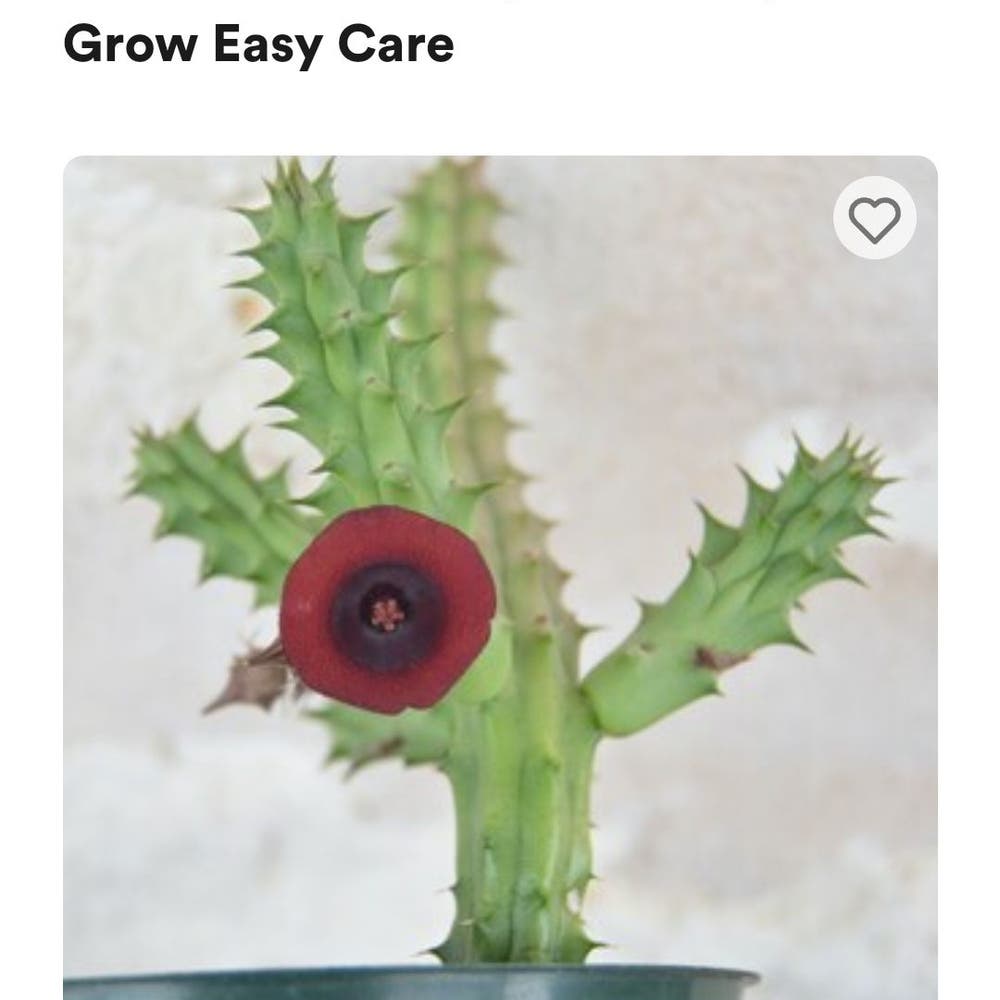
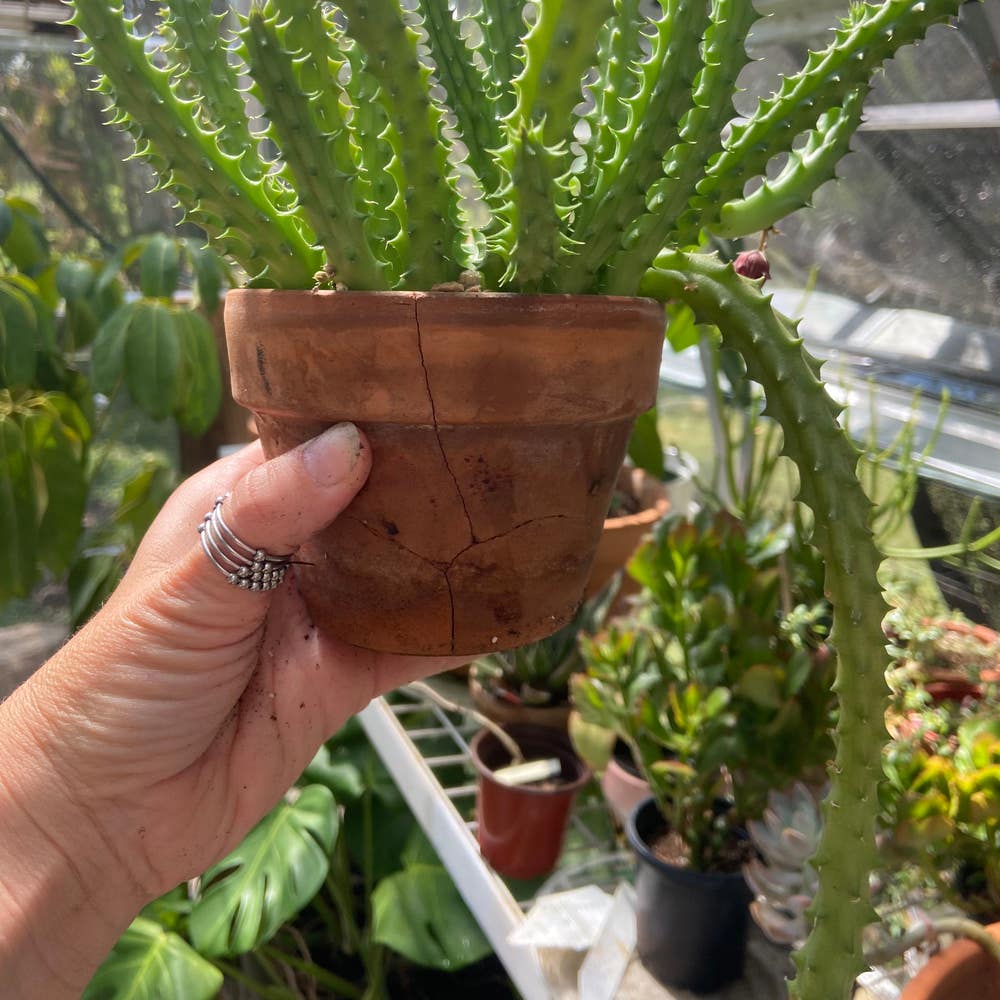
Huernia schneideriana
By the Greg Editorial Team
Jan 31, 2024•3 min read
This article was created with the help of AI so we can cover more plants for you. May contain errors. See one? Report it here.
Rescue your Red Dragon Flower 🌺 from the blight of brown spots with our expert care guide!
- Brown spots aren't natural aging, indicating care issues or disease.
- Prevent with proper watering, light, and air circulation; adjust seasonally.
- Treat pests and fungi with insecticidal soap, neem oil, or fungicides.
Spotting the Trouble: Identifying Brown Spots on Your Red Dragon Flower
🧐 Visual Symptoms of Brown Spots
Brown spots on Red Dragon Flowers can be alarm bells. They might be small speckles or large patches, indicating various issues. Unlike natural leaf aging, which can cause uniform color changes, brown spots often have an irregular pattern. They may appear dry and crispy or soft and damp, depending on the cause.
Common Mistakes in Plant Care Leading to Brown Spots
🚰 Overwatering and Underwatering: Signs and Solutions
Overwatering can lead to soft, dark brown spots, while underwatering results in wilting and dry spots. Adjust your watering to when the soil is dry to the touch, not on a strict schedule.
🌞 Sunburn: Recognizing and Preventing Leaf Scorch
Sunburn spots are dry, crispy patches on leaves, especially those most exposed to the sun. Gradually move your plant to a spot with indirect sunlight to prevent further damage. Avoid misting in direct sunlight to prevent droplets from magnifying the sun's rays and causing burns.
Unwanted Guests and Unseen Culprits
🐜 Pests: The Tiny Terrors
Spider mites, aphids, and mealybugs are the usual suspects when it comes to pests on your Red Dragon Flower. These critters suck the sap and leave behind brown spots as evidence of their feasting. Look for fine webbing, a sticky residue, or the bugs themselves.
To combat these pests, insecticidal soap or neem oil can be effective. Apply with vigilance, as pests can be persistent. Regular treatments may be necessary to keep them at bay, much like maintaining a zero inbox.
🍄 Fungal Foes: Battling Brown Spot Diseases
Fungal infections manifest as brown spots with a yellow halo or concentric rings. These spots can spread quickly and need immediate attention. Bacterial leaf spot is another concern, with water-soaked spots that turn brown.
For fungal issues, reach for a copper fungicide or a baking soda and soap mix. Apply according to the label instructions, thoroughly covering affected areas. Promote air circulation to prevent a fungal fiesta. Remember, stagnant air is the life of their party.
The Right Response: Treating Brown Spots on Red Dragon Flower
💧 Adjusting Your Watering Routine
Watering your Red Dragon Flower isn't about following a strict schedule—it's about observing and responding to your plant's needs. Check the soil moisture before watering; if the top inch feels dry, it's time to hydrate. Use the soak and dry method: water thoroughly, then let the soil dry out before the next round. This mimics natural rainfall and keeps roots happy.
🌿 Creating a Healthy Environment
Light and humidity are your plant's best pals for preventing brown spots. Place your Red Dragon Flower where it gets bright, indirect light—direct sun can be too harsh. Humidity is crucial, so consider a pebble tray or regular misting to keep the air moist. Air circulation is also key; stagnant air invites fungal growth, so ensure good ventilation around your plant. Remember, a healthy environment is a consistent one, so avoid drastic changes.
Keeping Brown Spots at Bay: Prevention Tactics
🕵️ Regular Maintenance Checks
Regularly inspect your Red Dragon Flower for early signs of distress, such as discoloration or spotting. Act swiftly to prevent minor issues from becoming major problems. Remove dead leaves to maintain plant health and appearance.
🛠️ Proactive Plant Care
Adjust your care routine with the changing seasons to ensure your Red Dragon Flower's needs are met year-round. Maintain cleanliness around your plant to prevent disease and promote a healthy growing environment.
⚠️ Safety First
This content is for general information and may contain errors, omissions, or outdated details. It is not medical, veterinary advice, or an endorsement of therapeutic claims.
Always consult a qualified healthcare professional before using any plant as food, medicine, or supplement.
Never eat any plant (or feed one to pets) without confirming its identity with at least two trusted sources.
If you suspect poisoning, call Poison Control (800) 222-1222, the Pet Poison Helpline (800) 213-6680, or your local emergency service immediately.
Spotted an error? Please report it here.
Banish brown spots on your Red Dragon Flower and keep it thriving 🌿 with Greg's tailored care reminders based on your home environment.