🐉 Why Is My Red Dragon Flower Dropping Leaves?
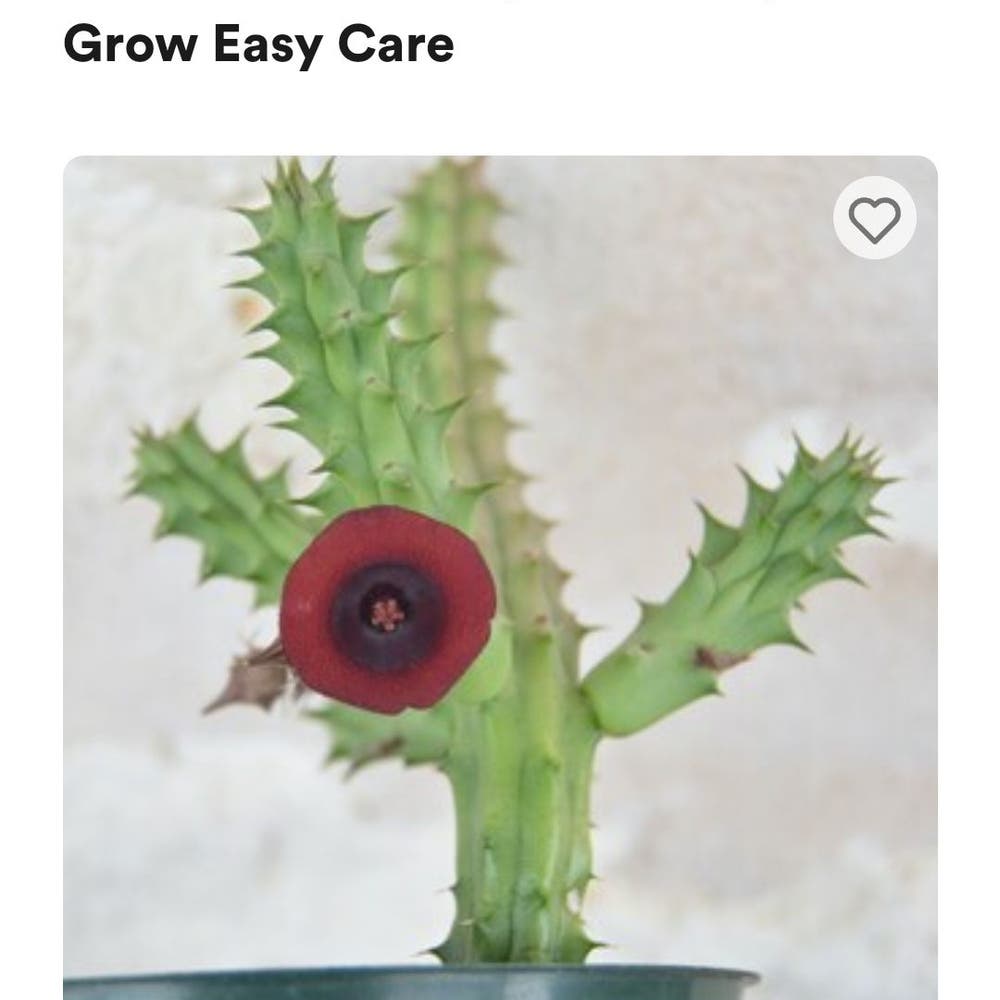
Huernia schneideriana
By the Greg Editorial Team
Jan 31, 2024•7 min read
This article was created with the help of AI so we can cover more plants for you. May contain errors. See one? Report it here.
Stop your Red Dragon Flower's leaf-drop 🍂 and revive its vibrant allure with these essential care tips.
- Over/underwatering and light extremes cause leaf drop; monitor soil and light exposure.
- 65°F-85°F and 40% humidity are ideal for Red Dragon Flowers.
- Consistent care and environment prevent leaf drop; rotate and check for pests.
Spotting the Signs: When Your Red Dragon Flower Is Unhappy
🍂 Identifying Leaf Drop: What to Look For
Leaf drop in your Red Dragon Flower can be alarming. Vigilance is key. Yellowing leaves often point to overwatering or nutrient deficiencies. If the leaves detach with little resistance, you're likely dealing with watering issues. Conversely, brown or black tips may suggest excessive light exposure. Regularly inspect your plant for these changes; they're the first line of defense in plant care.
⏰ Timing and Pattern: Clues to the Underlying Issue
The timing and pattern of leaf drop provide critical clues. A gradual loss of leaves is natural, but a sudden cascade indicates a problem. If all leaves are affected, it's a systemic issue; if only the bottom leaves are dropping, it could be a part of the natural aging process. Consistency in care is crucial to prevent these issues. Keep an eye out for patterns that deviate from the norm, as they often signal a cry for help from your Red Dragon Flower.
Water Woes: Too Much or Too Little
💧 The Perils of Overwatering: Root Rot and Its Symptoms
Overwatering can turn your Red Dragon Flower's home into a swampy mess. Root rot creeps in, leaving roots brown and mushy—check for a foul smell. Leaves may yellow and drop, signaling distress below the soil line.
🏜️ The Thirsty Plant: How Underwatering Leads to Leaf Loss
Conversely, underwatering leaves your plant as dehydrated as a raisin. Leaves wilt, crisp up, and fall. The soil will be bone-dry, and your plant's growth may stunt, with new leaves looking smaller than older ones.
🚰 Fine-Tuning Your Watering Routine: Tips and Tricks
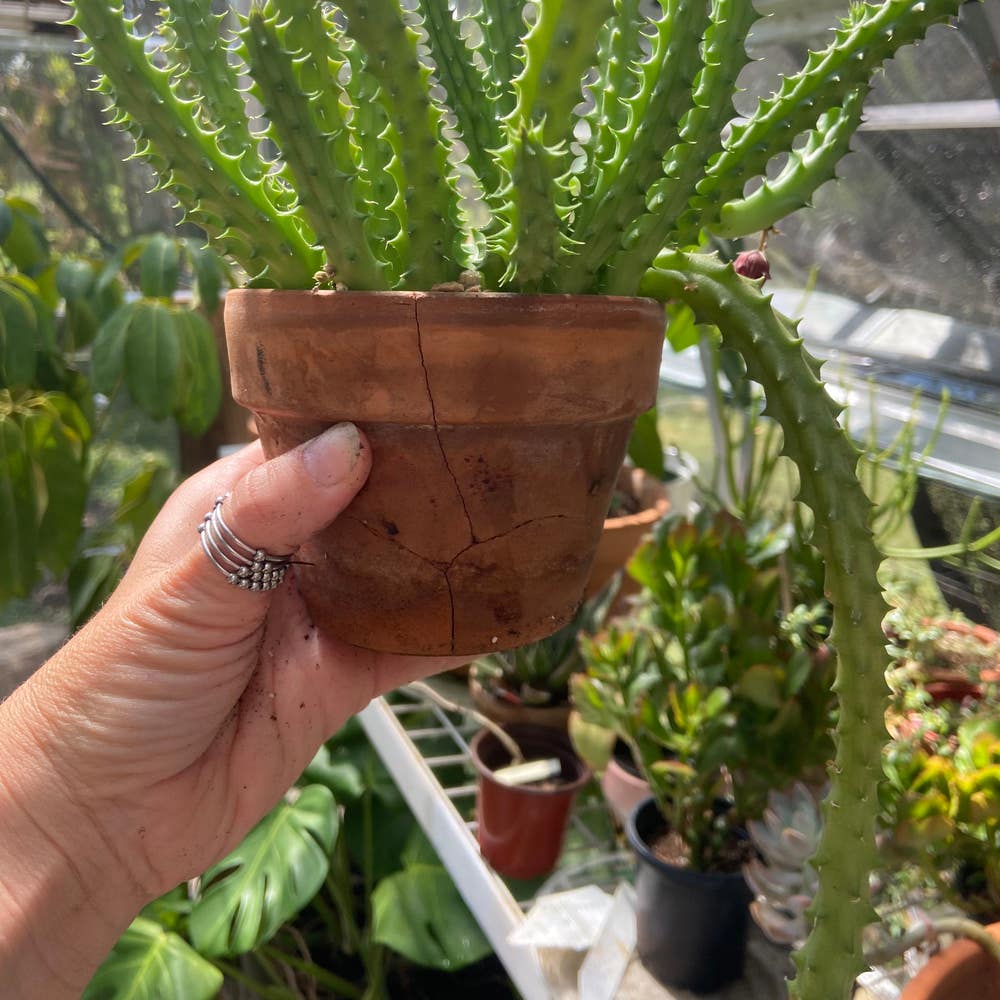
Monitor soil moisture before watering—stick a finger in; if it's dry an inch down, it's time to water. Use pots with drainage and water until it seeps out the bottom. Consider a terracotta pot to help wick away excess moisture. Adjust your routine with the seasons—plants drink less in cooler weather. If you're forgetful, set reminders or use a self-watering system to maintain consistency.
Let There Be Light (But Not Too Much!)
Finding the sweet spot for lighting is crucial for your Red Dragon Flower's happiness. It craves bright, indirect light, but direct sunlight is a no-go.
🌟 Ideal Light Conditions for Red Dragon Flowers
Bright, indirect light is the mantra for Red Dragon Flower enthusiasts. Think of it as the plant's preferred spa setting—relaxing yet rejuvenating. Too much sun is a one-way ticket to leaf scorch, while too little light leads to a lackluster, droopy plant.
🚦 The Consequences of Light Extremes
When the light is too dim, your Red Dragon Flower might as well be groping in the dark, resulting in weak growth and a sad, leaf-dropping spectacle. On the flip side, too much light is like a bad sunburn—it's painful, and in this case, can cause irreversible damage to the leaves.
🌑 Too Dim
If your plant's leaves are fading or the stems are stretching out, it's screaming for more light. It's not being dramatic; it's just biology.
☀️ Too Bright
Conversely, leaves that look bleached or have crispy edges are signs that your plant is getting more light than it signed up for. It's not trying to get a tan; it's in distress.
🔄 Adjusting Your Plant's Light Exposure
Keep an eye on your plant's body language and be ready to shuffle it around. It's like a dance, finding the right spot where the light is just enough to keep it thriving without going overboard. Remember, no amount of light will reverse past damage, but it can ensure a brighter future.
Rotate your plant periodically to ensure all sides receive equal light. This isn't just about aesthetics; it's about even growth and avoiding a lopsided plant tragedy. If your indoor lighting is more 'dungeon' than 'sunroom', consider grow lights to brighten things up.
Lastly, changes in light should be as gradual as a sloth's morning stretch to avoid shocking your green friend. It's all about that perfect growing environment balance.
Keeping It Comfy: Temperature and Humidity
🌡️ The Goldilocks Zone: Ideal Temperature Ranges
Red Dragon Flowers thrive in temperatures that mimic their native tropical environments. Aim for a steady range between 65°F and 85°F. Too cold, and the plant could go into shock; too hot, and it might wilt faster than your enthusiasm on a Monday morning. Keep a thermometer handy to avoid turning your plant's habitat into a guessing game.
💦 Humidity Happiness: Achieving the Right Moisture in the Air
Humidity is like the unsung hero of the plant world, and your Red Dragon Flower is a fan. At least 40% humidity is the sweet spot, keeping the leaves perky without inviting a fungal fiesta. Consider a humidifier if your air is drier than a stand-up comedian's wit, or go old school with a pebble tray. Just remember, good airflow is crucial; stagnant air is about as welcome as a mosquito at a blood bank.
Keeping It Balanced
Invest in a hygrometer to monitor humidity levels; it's like having a backstage pass to your plant's comfort zone. Avoid placing your plant near radiators or air conditioners, which can create a desert-like atmosphere or a mini arctic zone. Consistency is key—sudden changes in conditions can make your plant more temperamental than a teenager.
Remember, while Red Dragon Flowers aren't as high-maintenance as some divas in the plant kingdom, they do appreciate attention to their climate needs. Keep the temperature and humidity just right, and your plant will reward you with growth that's as lush as a tropical rainforest—minus the mosquitoes.
Reviving Your Red Dragon: Recovery and Prevention
🌱 Adjusting Care Practices: Steps to Nurse Your Plant Back to Health
Immediate action is crucial when your Red Dragon Flower starts shedding leaves like it's going out of style. Start by trimming any dead or dying foliage with sterilized scissors; it's like cutting dead weight to let the good stuff thrive.
Root inspection is next. Gently remove your plant from its pot and check for soggy or rotten roots—these are big no-nos. If you find any, trim them away. Think of it as plant surgery, minus the medical degree.
Repotting may be necessary if the soil is the culprit. Use a well-draining mix that's like a cozy bed for roots—comfortable but not suffocating. And remember, the pot size matters; too big, and you're asking for waterlogging.
Watering habits need a makeover. Only water when the topsoil feels like a dry summer day—slightly parched. Overwatering is the equivalent of force-feeding, and your plant isn't into that.
Lighting should be just right. Your Red Dragon craves the sun like a beachgoer but can't handle the midday scorch. Find a spot that's bright yet filtered, like sunglasses for your plant.
Temperature and humidity are the spa conditions for your plant. Keep it in a room that's consistently warm, without those pesky drafts, and consider a humidifier if your air is drier than a stand-up comedian's wit.
🛡️ Prevention Is Key: Long-Term Strategies to Avoid Leaf Drop
Consistency is your new best friend. Establish a care routine that's as regular as your morning coffee. Your plant will thank you with vibrant leaves.
Pest checks should be as routine as brushing your teeth. Catch those critters early, and you'll avoid a full-blown insect invasion.
Nutrition is not to be overlooked. Feed your plant a balanced diet of fertilizer, but don't overdo it. It's a meal, not an all-you-can-eat buffet.
Environmental stress is a silent killer. Keep your plant away from air vents, heaters, and cold drafts. It's not a fan of surprises.
By following these recovery and prevention steps, your Red Dragon Flower will be less drama queen and more serene green.
⚠️ Safety First
This content is for general information and may contain errors, omissions, or outdated details. It is not medical, veterinary advice, or an endorsement of therapeutic claims.
Always consult a qualified healthcare professional before using any plant as food, medicine, or supplement.
Never eat any plant (or feed one to pets) without confirming its identity with at least two trusted sources.
If you suspect poisoning, call Poison Control (800) 222-1222, the Pet Poison Helpline (800) 213-6680, or your local emergency service immediately.
Spotted an error? Please report it here.
Prevent your Red Dragon Flower from dropping leaves by letting Greg monitor 🌡️ your plant's environment and remind you when it's time for the right care.