What To Do About Bugs on My Red Dragon Flower? 🐛
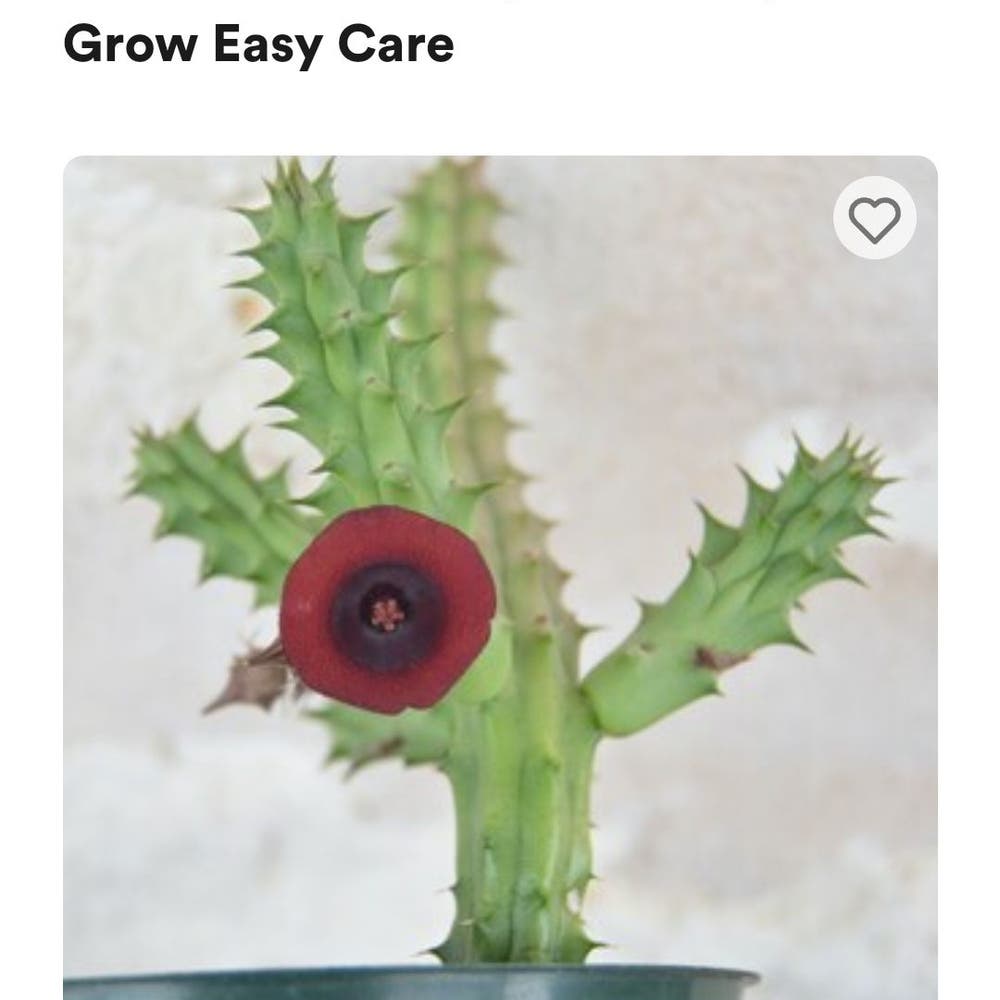
Huernia schneideriana
By the Greg Editorial Team
Jan 31, 2024•3 min read
This article was created with the help of AI so we can cover more plants for you. May contain errors. See one? Report it here.
Protect your Red Dragon Flower 🌺 from bug battles with top-notch defense tactics!
- 🕸️ Spider mites show webbing; control with ladybugs or neem oil.
- 💧 Dry soil and sticky traps fend off fungus gnats and fruit flies.
- 🛡️ Quarantine new plants and inspect weekly for early pest detection.
Spot the Invaders: Identifying Common Pests on Your Red Dragon Flower
🕷️ Spider Mites: The Sneaky Sap-Suckers
Spider mites are tiny terrorists that wreak havoc on your Red Dragon Flower. Look for fine webbing and a speckled look on leaves as evidence of their presence.
To fight back, introduce natural predators like ladybugs or apply neem oil and insecticidal soap for a more direct approach. High humidity and regular misting can help prevent future invasions.
🦟 Scale: The Sticky Bandits
Scale insects are masters of disguise, often mistaken for harmless bumps on your plant's stems and leaves. Waxy bumps are a dead giveaway.
For winning the war, scrape them off manually or use horticultural oil to suffocate these armored pests. Regular monitoring is key to keep these critters in check.
🦟 Fungus Gnats and Fruit Flies: The Soil Saboteurs
These pests love moist soil, and their larvae can be spotted wriggling around in it. Adult flies hovering over the soil are another sign of infestation.
Nipping it in the bud involves letting the soil dry out between waterings and using sticky traps or soil treatments to break the life cycle.
🐛 Mealybugs: The Fluffy Foes
Mealybugs leave a cottony residue on your Red Dragon Flower as they feed. They're often tucked away in nooks and crannies.
For a counterattack, dab them with alcohol or apply insecticidal soap. Ensuring good air circulation around your plant can also deter these fluffy foes.
Special Mention: Other Pests That Fancy Red Dragon Flowers
🐜 Aphids: The Green Menace
Aphid alert: These green goons love a good plant sap feast. You'll find them in clusters, especially under leaves, sucking the life out of your Red Dragon Flower. They leave behind a sticky residue called honeydew, which can lead to sooty mold.
Aphid ousting techniques: A strong water spray can knock them off their feet. For a more targeted approach, introduce ladybugs; they're aphid-eating machines. In dire cases, insecticidal soaps or neem oil sprays will show these pests the door.
🦟 Whiteflies: The Ghostly Swarm
Ghostly gatherings: Whiteflies congregate on the undersides of leaves, and when disturbed, they look like a mini snowstorm. Their presence means trouble, as they too excrete honeydew, inviting mold.
Ghostbusters: Yellow sticky traps are like flypaper for these pests. Reflective mulch can also deter them by disorienting their navigation. If they're stubborn, insecticidal soap or horticultural oil can help clear the infestation.
Fortifying Your Floral Fortress: Preventative Measures
🕵️ Inspection Routines: The Art of Early Detection
Conducting regular inspections is crucial for early pest detection on your Red Dragon Flower. Turn over leaves and examine stems during each watering session. Weekly checks are the bare minimum; more frequent is advisable.
🚫 Quarantine Protocols: Keeping the Baddies Out
When introducing new plants, enforce a strict quarantine period. Isolate them for at least a few weeks to ensure they're not smuggling in any pests. This step is non-negotiable for a pest-free environment.
💧 Soil and Water Defense: Cultivating Unfriendly Bug Terrain
To deter pests, maintain well-draining soil and avoid overwatering. This creates an inhospitable environment for many bugs. Regularly clean up fallen leaves and debris to eliminate potential pest hideouts.
⚠️ Safety First
This content is for general information and may contain errors, omissions, or outdated details. It is not medical, veterinary advice, or an endorsement of therapeutic claims.
Always consult a qualified healthcare professional before using any plant as food, medicine, or supplement.
Never eat any plant (or feed one to pets) without confirming its identity with at least two trusted sources.
If you suspect poisoning, call Poison Control (800) 222-1222, the Pet Poison Helpline (800) 213-6680, or your local emergency service immediately.
Spotted an error? Please report it here.
Keep your Red Dragon Flower blooming 🌺 and bug-free with Greg's tailored care reminders and pest prevention tips from our comprehensive guide!