Propagating My Little White Soldiers: Step-by-Step Guide
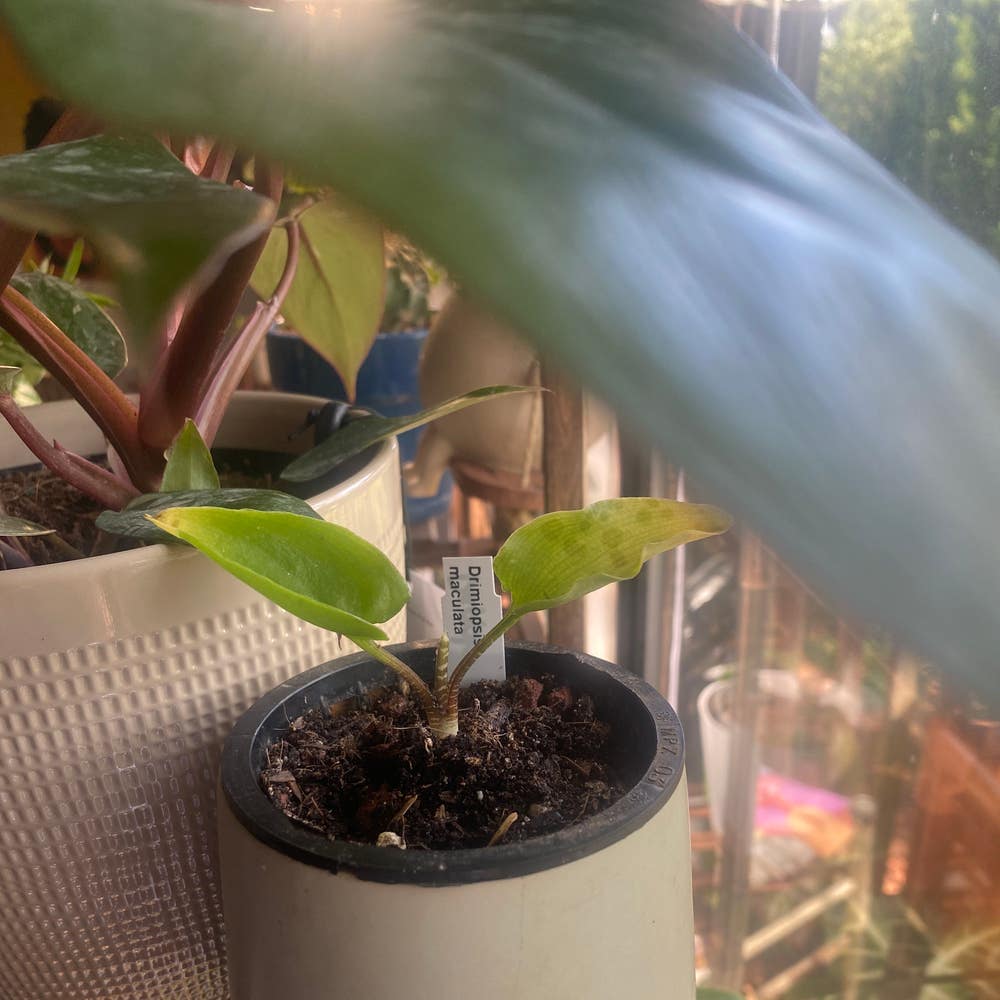
Drimiopsis maculata
By the Greg Editorial Team
Jun 18, 2024•6 min read
This article was created with the help of AI so we can cover more plants for you. May contain errors. See one? Report it here.
- Choose healthy stems and cut at a sharp angle for best rooting.
- Water propagation: Change water weekly, transition to soil when roots are white.
- Divide in spring/autumn, ensuring each division has roots and shoots.
Snip & Plant: Stem Cutting Propagation
🌱 Choosing Your Champions
Selecting vigorous stems is the cornerstone of propagation success. Look for stems that scream health: bright green, free from blemishes, and not a pest in sight. Your plant's future is in these cuttings, so choose like a pro—go for the gold.
🛠️ Prepping Your Cuttings
Once you've got your champions, it's time for action. Disinfect your shears; we're not here to spread germs. Snip below a leaf node, at a sharp angle, to maximize the area for roots to emerge. Think of it as giving your cuttings the best possible start in life.
🌱 Planting and Aftercare
The right soil makes all the difference. Opt for a well-draining mix, because soggy soil is a no-go for your little troopers. Plant the cutting deep enough to stand upright, but don't bury the potential—just cover the nodes. Keep the soil moist, like a misty morning, not a swamp. Your cuttings are delicate, treat them with the TLC they deserve.

Dive In: Water Propagation Steps
💦 Starting with a Splash
Setting up your water propagation station for Little White Soldiers is like prepping a nursery for newborns—cleanliness and comfort are key.
First, sterilize your tools and containers to prevent any microbial party crashers.
Next, fill a clear container with water; tap water is fine, just let it sit for a day to dechlorinate.
Snip a healthy stem, ensuring nodes are present—these are the launch pads for new roots.
Submerge the node in water, but keep those leaves dry; they're not on the swim team.
Position your aquatic nursery in a spot with bright, indirect light—think of it as a cozy incubator.
Change the water weekly to keep it fresh and full of oxygen, like a gentle breeze for your submerged cuttings.
🌱 From Water to Earth
When roots look like a healthy white mop head, it's time to transition your water-rooted warriors to soil.
Prepare a pot with well-draining soil, because nobody likes wet feet, not even plants.
Plant the rooted cuttings gently, tucking them in like a baby in a cradle.
Water immediately after planting to help the roots make new friends with the soil.
Monitor the soil moisture like a hawk; keep it moist but not soggy, because balance is everything.
Remember, moving from water to earth is a big step for your Little White Soldiers—patience and care will see them through.

Splitting Up: Division Propagation
⏰ When to Divide and Conquer
Timing is crucial when it comes to division propagation of your Little White Soldiers. The ideal moment strikes when the plant is not in active growth—spring and autumn are your golden windows. These seasons offer a sweet spot where the plant's energy is focused on root development rather than flowering or battling the elements.
🛠️ Gentle Separation
Tools of the Trade
Before you play plant surgeon, arm yourself with the right tools. Sharp and clean implements are non-negotiable. A spade or a knife, sterilized and honed, will do the trick. Think of it as a precision operation on your green patient.
🌱 The Art of Division
Gently coax your Little White Soldiers from their pots, mindful of their delicate root systems. Imagine you're untangling a precious necklace rather than headphones—gentleness is key. Each new plant should have a fair share of roots and shoots. Bigger chunks adapt quicker, but don't get greedy; smaller sections work just as well if handled with care.
🏡 Replanting with Purpose
Once you've got your divisions, it's a race against time. Get them into their new homes swiftly to avoid stress. If you've prepped your soil and pots, you're already ahead of the game. Can't replant immediately? Wrap those roots up like a burrito or pot them temporarily—just don't let them dry out.
🚿 Aftercare
Water your new plants thoroughly to settle them in, but hold off on the fertilizer. They need time to recover from the shock of separation. Keep them in a bright spot, but shield them from direct sunlight—it's about as welcome as a sunburn at this stage. Watch for new growth as a sign of success; it's like a plant's way of giving you a high-five.

Timing is Everything: When to Propagate
🌱 Seasonal Smarts
Spring is your green light for propagation. It's the season when Little White Soldiers are primed for growth, eager to multiply. Early summer isn't far behind, offering ample daylight to encourage root development. Fall is a gamble; it can work, but prepare for a slower process. Winter is the chill zone—propagation is possible, especially in mild climates, but expect a sluggish pace.
🌿 Environmental Essentials
Light is non-negotiable. Bright, indirect sunlight is the sweet spot for Little White Soldiers. Direct sun can be harsh, while too little light leads to languishing cuttings. Temperature is another critical factor; aim for a cozy 21-24°C (70-75°F) to keep your cuttings comfortable. Humidity should be just right—not too dry, not too moist. Think of maintaining a microclimate that's a plant's version of a relaxing spa day. Keep airflow gentle to avoid desiccation and watch your cuttings for signs of growth or distress, adjusting care as needed.
Propagation Pitfalls: Troubleshooting Tips
🚨 Common Culprits
Yellowing leaves or stunted growth are your first clues that something's amiss. Root rot is the plant world's boogeyman, turning roots into mushy messes. Overwatering is often the villain here, so back off on the H2O. If you're dealing with slimy stems or leaf spots circled by a yellow aura, you've got a bacterial infection on your hands. Remove infected plants pronto and keep your tools as clean as a surgeon's to prevent these microbial invasions.
🌱 Root Health Rescue
When roots look more like leftovers than lifelines, it's time for an intervention. Repot in sterile soil and snip the dead parts. A pot with proper drainage is non-negotiable—it's your root's lifeline. And if your plant's throwing shade, it might be craving more light. Grow lights can be a game-changer here. Underwatering is a silent assassin; don't let your plants wither from neglect. Remember, it's about consistent sips, not occasional gulps. If your leaves are turning yellow, your plant might be screaming for nutrients. Feed it, but don't smother it—balance is key.
⚠️ Safety First
This content is for general information and may contain errors, omissions, or outdated details. It is not medical, veterinary advice, or an endorsement of therapeutic claims.
Always consult a qualified healthcare professional before using any plant as food, medicine, or supplement.
Never eat any plant (or feed one to pets) without confirming its identity with at least two trusted sources.
If you suspect poisoning, call Poison Control (800) 222-1222, the Pet Poison Helpline (800) 213-6680, or your local emergency service immediately.
Spotted an error? Please report it here.
Ensure your Little White Soldiers thrive with Greg's 🌱 personalized care reminders, tailored to each cutting's needs from water changes to soil moisture checks!