What Do I Do About Root Rot?
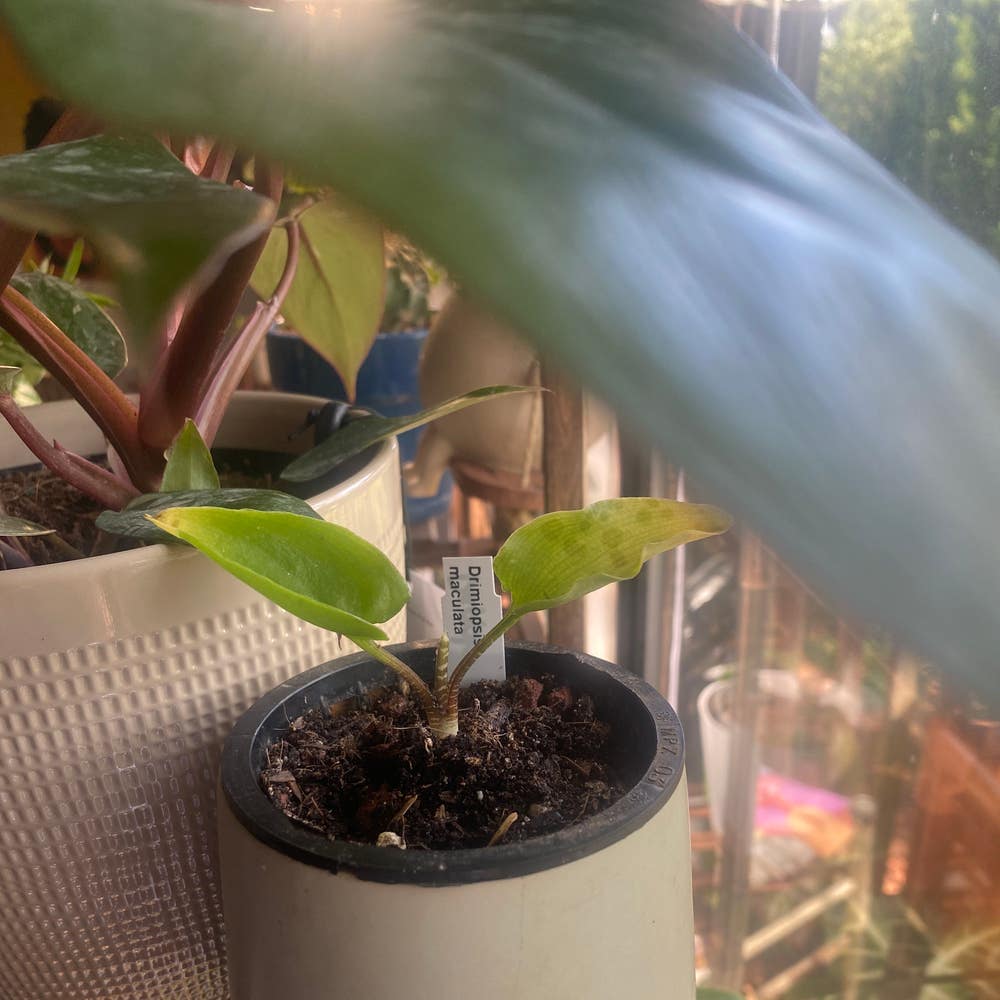
Drimiopsis maculata
By the Greg Editorial Team
Jun 18, 2024•3 min read
This article was created with the help of AI so we can cover more plants for you. May contain errors. See one? Report it here.
- Yellow leaves, wilting, soil odor signal root rot.
- Isolate and treat with fungicide for recovery.
- Drainage and airflow are key to prevention.
Spotting the Red Flags: Symptoms of Root Rot
🚩 Visual Clues
Yellowing leaves and wilting are the plant's distress flares. They're not just for show; they mean trouble. If the soil smells worse than your forgotten gym socks, that's another red flag. Don't just stand there sniffing—act.
🕵️ Root Inspection
To confirm your suspicions, get your hands dirty. Healthy roots are firm and white, not mushy and discolored like overcooked pasta. If they crumble like a bad cookie, it's time for a root rot intervention. Don't wait for a full-blown plant zombie apocalypse—check those roots at the first sign of despair.

First Response: Treating Root Rot
🚨 Immediate Actions
When root rot rears its ugly head, isolation is your first line of

Fungicide to the Rescue
🛡️ Choosing Your Weapon
Selecting the right fungicide for Little White Soldiers is like picking the best armor for a knight heading into battle. You want something that will protect without causing additional harm. Systemic fungicides are the heavy hitters, coursing through the plant's veins to tackle root rot from the inside. Look for names like Propiconazole or Subdue, which have a track record of sending root rot packing.
🎯 Application Tactics
When it comes to applying fungicides, timing and precision are your best friends. Early intervention can save your Little White Soldiers from a downward spiral. Mix your chosen fungicide according to the label's instructions—this isn't the time for creative interpretations. Drench the soil post-surgery to give your plant a fighting chance. Remember, overuse is the enemy; it can wipe out beneficial soil microbes and breed resistance. So, apply with care, and consider rotating fungicides to keep those pesky pathogens on their toes.

Fortifying Defenses: Preventing Future Root Rot
💧 Water Wisdom
Watering is a delicate dance with Little White Soldiers. Overzealousness leads to sogginess, and restraint can be equally damaging. Check the soil's top inch; if it's dry, it's time to water. If not, hold off. It's about tuning into the plant's hydration cycle, not the calendar's.
🏡 The Right Foundation
Choosing the right pot is a game-changer. Ensure it has drainage holes to let excess water escape. Match this with a well-draining soil mix—think peat, perlite, and vermiculite. This combo is like a breathable raincoat for roots, protective yet not suffocating.
🌬️ Environmental Strategy
Airflow is the unsung hero here. Make sure your plant isn't gasping for breath in stagnant air. Adjust temperature and humidity to avoid creating a plant sauna. And remember, a pot too big is like a shoe too large; it can trip up your plant's health. Keep it cozy, not cramped.
⚠️ Safety First
This content is for general information and may contain errors, omissions, or outdated details. It is not medical, veterinary advice, or an endorsement of therapeutic claims.
Always consult a qualified healthcare professional before using any plant as food, medicine, or supplement.
Never eat any plant (or feed one to pets) without confirming its identity with at least two trusted sources.
If you suspect poisoning, call Poison Control (800) 222-1222, the Pet Poison Helpline (800) 213-6680, or your local emergency service immediately.
Spotted an error? Please report it here.
Prevent root rot 🚫 with Greg's custom watering reminders and environmental tips, keeping your plants' roots healthy and firm.