What Temperature Should My Little White Soldiers Be Kept At?
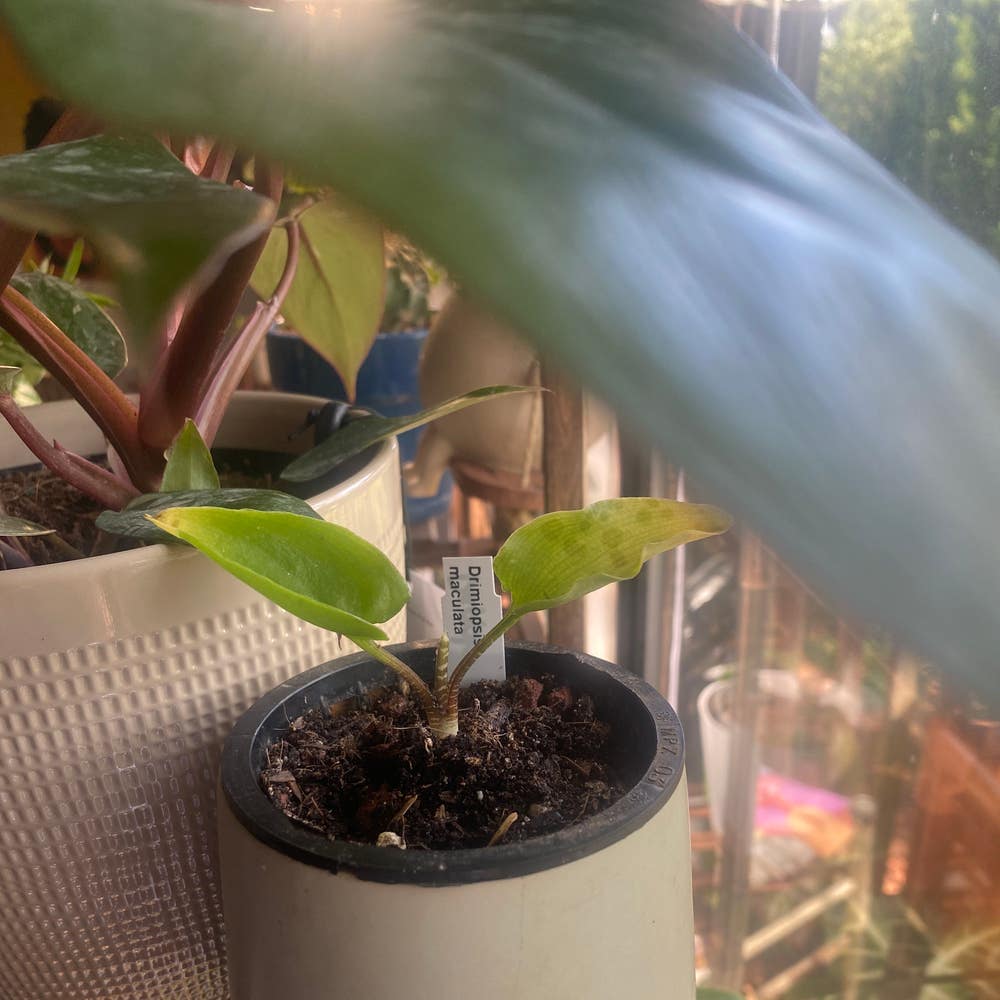
Drimiopsis maculata
By the Greg Editorial Team
Jun 18, 2024•5 min read
This article was created with the help of AI so we can cover more plants for you. May contain errors. See one? Report it here.
- Ideal range 60-80°F (15-27°C) for Little White Soldiers' health.
- 🌡️ Stable temps prevent stress like wilting or stunted growth.
- Humidity matters - it's part of the temperature comfort equation.
Keeping It Cozy: The Ideal Temperature Range for Little White Soldiers
🌡️ The Sweet Spot
Little White Soldiers thrive in a temperature range that's just right—not too hot, not too cold. Aim for 60-80°F (15-27°C), the Goldilocks zone where these plants feel at home.
🗝️ Consistency is Key
Stable temperatures are non-negotiable for Little White Soldiers. Sudden changes are like unwanted plot twists—avoid the drama. Keep it steady to prevent your plant from turning into a botanical diva.

When Things Heat Up: Recognizing Temperature Stress in Little White Soldiers
🌡️ Spot the Signs: How to Tell if Your Little White Soldiers is Too Hot or Too Cold
Wilting leaves are the plant's white flag of surrender to temperature extremes. If your Little White Soldiers' foliage looks like it's had better days, it's time to reassess the thermostat. Crispy edges or leaves curling inward are the plant's equivalent of saying, "I can't even." These symptoms scream that it's too hot for comfort.
From Leaves to Growth: Symptoms That Shouldn't Be Ignored
Stunted growth whispers of a chill, while leggy, stretched-out stems are begging for more warmth. If your plant's new growth is as sparse as a deserted island, it's a cry for help. Dark, soggy spots on leaves are cold damage calling cards, and if one side of the plant is growing more than the other, it's likely pleading for even warmth distribution.
Yellow or blackened leaves? Too hot or too cold, either way, it's a red alert. Sunburn spots or a leathery leaf texture are the plant's version of a bad sunburn, indicating it's time to dial down the heat. If your Little White Soldiers is dropping leaves faster than a tree in autumn, it's not just being dramatic—it's genuinely struggling.
Pest infestations can also be a sign that your plant is stressed out and vulnerable, so if you notice unwanted critters, consider whether temperature stress is to blame. Remember, catching these signs early is like catching a cold; the sooner you address it, the better the recovery.

Avoiding the Extremes: Preventing Temperature Stress
🌡️ Common Culprits: Identifying Temperature Tantrum Triggers
Drafts and heat sources are the main villains in the tale of temperature stress. Placing your Little White Soldiers near an open window or beside a radiator is like inviting chaos into your home. These spots can cause your plant to experience a climate akin to a rollercoaster ride—definitely not the kind of thrill it enjoys.
🌡️ Staying in Control: Tips to Prevent Temperature Swings
Stability is the name of the game. To keep your Little White Soldiers from throwing a fit, think like a plant's personal meteorologist. Avoid direct drafts by positioning your plant away from frequently opened windows or doors. Insulate your green buddy during colder months using bubble wrap or plant cloches, but only as a short-term fix.
Monitor your home's temperature like it's your favorite social media feed. Keep an eye out for signs that your plant is too hot or too cold. Adapt your plant's environment by moving it away from air conditioners in the summer and heaters in the winter. Remember, your plant doesn't need to experience every season indoors.
Humidity plays a supporting role in your plant's well-being. Keep it away from the dehydrating heat of a radiator and the drenching mist of a humidifier. Think of it as setting the perfect ambient moisture level—too much or too little can tip the scales.
Lastly, vigilance is key. Regularly check for pests like aphids and whiteflies that thrive on stressed plants. Show these freeloaders the door before they can do any real damage. Keep your Little White Soldiers in a consistent, comfortable climate, and it will reward you by staying perky and stress-free.

A Quick Note on Humidity: Its Role in Temperature Comfort for Little White Soldiers
Humidity is the sidekick to temperature in the plant world, and Little White Soldiers are no exception. This section delves into the humidity factor and its impact on maintaining the ideal temperature for your plant.
💦 Humidity's Supporting Act
High humidity can be a savior for Little White Soldiers, preventing the air from becoming too dry. However, it's a balancing act; too much humidity can lead to problems like fungal growth. Use a hygrometer to keep tabs on moisture levels—it's your best bet for avoiding guesswork.
🌡️ Temperature and Humidity: The Dynamic Duo
As temperatures climb, so does the air's capacity to hold moisture. Keep your Little White Soldiers in a consistent environment to avoid stressing them out. Remember, a sudden drop in temperature can increase relative humidity, affecting your plant's comfort.
🌫️ The Invisible Necessity
Humidity might be invisible, but its effects are not. Low humidity can cause the leaves of your Little White Soldiers to dry out and brown. Conversely, high humidity can invite pests and diseases. Keep an eye out for these signs and adjust accordingly.
🌨️ Real-World Implications
In the heart of winter, when heaters are working overtime, consider using a humidifier to add moisture to the air. It's like creating a microclimate to keep your Little White Soldiers from feeling like they're stranded in a desert.
⚠️ Safety First
This content is for general information and may contain errors, omissions, or outdated details. It is not medical, veterinary advice, or an endorsement of therapeutic claims.
Always consult a qualified healthcare professional before using any plant as food, medicine, or supplement.
Never eat any plant (or feed one to pets) without confirming its identity with at least two trusted sources.
If you suspect poisoning, call Poison Control (800) 222-1222, the Pet Poison Helpline (800) 213-6680, or your local emergency service immediately.
Spotted an error? Please report it here.
Ensure your Little White Soldiers are always at ease with Greg's tailored environment tracking for optimal growth 🌱—no more temperature tantrums!