Why Are My Little White Soldiers Leaves Turning Yellow?
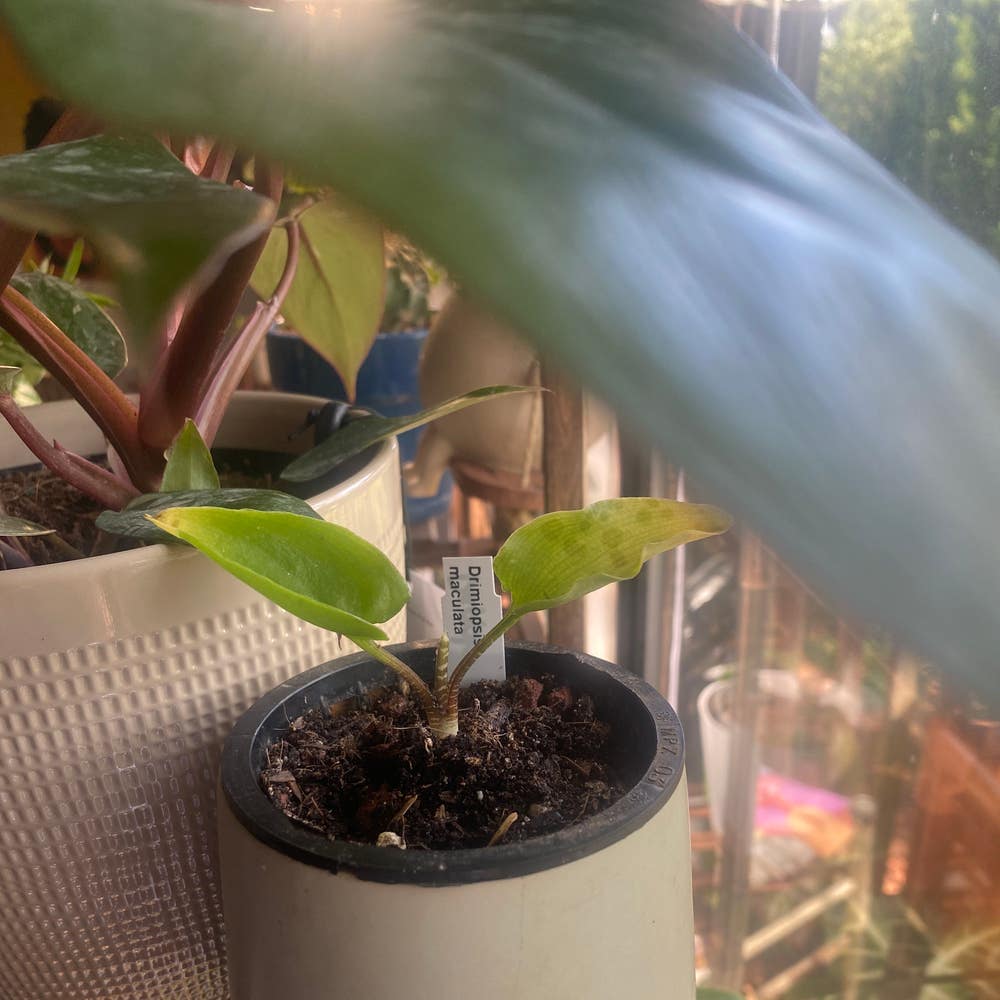
Drimiopsis maculata
By the Greg Editorial Team
Jun 18, 2024•3 min read
This article was created with the help of AI so we can cover more plants for you. May contain errors. See one? Report it here.
- 🍂 Nutrient deficiencies cause yellowing; adjust fertilizer to fix.
- 💧 Consistent watering and drainage prevent overwatering and yellow leaves.
- ☀️🌡️ Balance light and temperature to maintain leaf health.
Pinpointing the Culprits Behind Yellow Leaves
💡 Nutrient Shortfalls
Yellowing leaves can be a distress call for nutrients. Nitrogen deficiency often starts with the older leaves losing their color as the plant prioritizes new growth. Iron deficiency? Look for green veins against yellowing leaves. And if you see a yellow pattern between the veins, your plant might be crying out for magnesium.
🚰 Too Much H2O and Root Woes
Overwatering can drown your plant's roots and lead to yellow leaves. Soggy soil is a no-go. If the soil feels like a wet sponge, it's time to ease up on the water. Ensure good drainage to keep your Little White Soldiers' "feet" dry and happy.
🌞 When Light and Heat Play Foul
Light and heat can be fickle friends. Too little light and your plant's leaves may yellow from lack of photosynthesis. Too much, and they might get scorched. Aim for that Goldilocks zone where the light is just right. Temperature stress can also cause yellowing, so keep your plant away from drafts and scorching windowsills.

Turning Over a New Leaf: Solutions for Yellowing
💡 Feeding Your Foliage Right
Adjusting your fertilizer strategy is crucial. Start with a soil test to pinpoint deficiencies. For nitrogen, iron, or magnesium shortages, opt for a targeted fertilizer. Remember, it's not about dumping food; it's about precision nutrition.
🚰 Watering Wisdom
Consistency is key in watering. Establish a rhythm that ensures the soil is moist but not soggy. Ensure proper drainage to avoid root rot – think of it as keeping your plant's feet dry and comfy.
🌞 Creating the Ideal Plant Haven
Light and temperature control can make or break your plant's health. Too much sun can scorch, too little can weaken. Aim for a balance that mimics their natural habitat. Protect your plant from temperature extremes with quick fixes like moving it away from drafty windows or providing shade from harsh afternoon sun.

Prevention: Keeping the Yellow at Bay
💡 Proactive Nutrient Management
Consistency is your plant's best friend when it comes to nutrients. Strike a balance; think of fertilization as a quarterly bonus, not a monthly salary. Tailor your approach to the seasons, because your Little White Soldiers' nutrient needs will fluctuate just like your desire for ice cream in winter versus summer.
🚰 Watering Without Worry
Overwatering is a common misstep. Your plant doesn't need a swimming pool; it craves a steady sip. Establish a watering routine that's as reliable as your morning coffee. Use a potting mix that drains like a dream, ensuring no soggy soil scenarios.
🌞 Environmental Equilibrium
Create a microclimate that's less 'Sahara desert' and more 'gentle Mediterranean breeze'. Light and temperature should be just right—your plant's comfort zone lies in the Goldilocks zone. Avoid placing your Little White Soldiers next to heaters or in chilly drafts.
👩🌾 Monitoring and Maintenance Mastery
Keep a log of your plant's health and your care strategies. It's like a diary, but for your green buddy. Notice a change? Act swiftly. This isn't just about prevention; it's about being a responsive plant parent.
🛡️ Pest Patrol
Think of pest management as a game of chess. Anticipate, counter, and keep those pesky intruders in check. Introduce beneficial insects if you're feeling adventurous, or stick to insecticidal soap for a straightforward approach. Remember, a healthy plant is a fortress.
🍽️ Sanitation: The Silent Guardian
Cleanliness is next to godliness, even in the plant world. Keep your tools sterilized and your plant's area free of debris. It's like having a bouncer at the door, keeping the riff-raff out of your plant's exclusive club.

⚠️ Safety First
This content is for general information and may contain errors, omissions, or outdated details. It is not medical, veterinary advice, or an endorsement of therapeutic claims.
Always consult a qualified healthcare professional before using any plant as food, medicine, or supplement.
Never eat any plant (or feed one to pets) without confirming its identity with at least two trusted sources.
If you suspect poisoning, call Poison Control (800) 222-1222, the Pet Poison Helpline (800) 213-6680, or your local emergency service immediately.
Spotted an error? Please report it here.
Prevent the yellowing of your Little White Soldiers' leaves by letting Greg craft 🛠 a personalized care schedule that ensures just the right amount of water, nutrients, and light!