🐛 What To Do About Bugs on My Little White Soldiers?
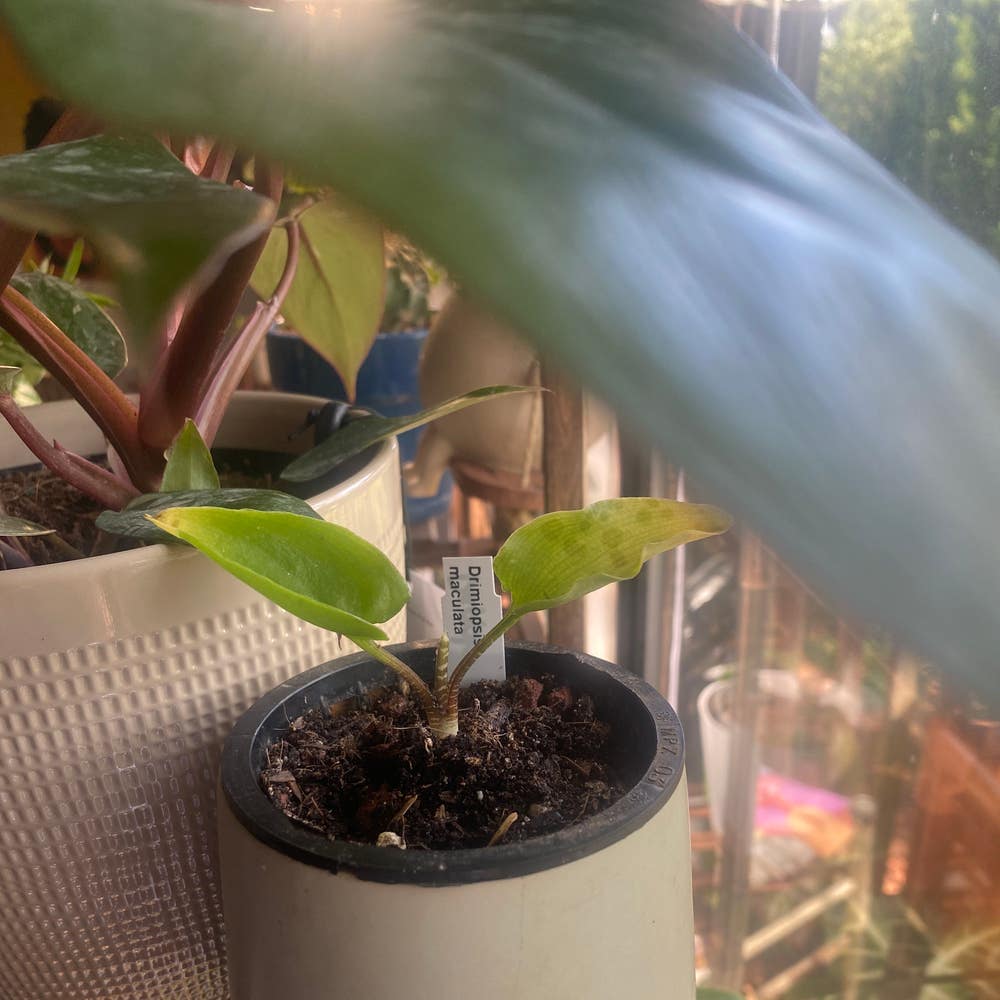
Drimiopsis maculata
By the Greg Editorial Team
Jun 18, 2024•2 min read
This article was created with the help of AI so we can cover more plants for you. May contain errors. See one? Report it here.
- Spider mites and scales: Look for webbing and waxy bumps; use neem oil or soap.
- Fungus gnats, fruit flies: Reduce watering, use sand and sticky traps.
- Mealybugs: Cottony residue signals them; remove with alcohol or treat with neem oil.
Spotting the Enemy: Identifying Common Pests
🕷️ Spider Mites: The Sneaky Weavers
Tiny webbing on your Little White Soldiers? You've got spider mites. They're like invisible ninjas, leaving a speckled, dusty look on leaves. Blast them with water or introduce predatory insects like ladybugs. For tougher infestations, neem oil or insecticidal soap are your best bets.
🦠 Scale: The Sticky Invaders
Spotting waxy bumps on stems and leaves? That's scale, the freeloaders of the plant world. They're like tiny, immobile bumps that suck the life out of your plants. Get rid of them with a cotton swab dipped in rubbing alcohol or go for the heavy artillery: horticultural oil or insecticidal soap.
🦟 Fungus Gnats and Fruit Flies: The Soil Lurkers
If you're seeing tiny flies around your plants, say hello to fungus gnats and fruit flies. They love moist soil—a perfect rave spot for them. Cut back on watering and lay down a layer of sand to block their groove. Yellow sticky traps will take care of the adults.
🐛 Mealybugs: The Fluffy Destroyers
Notice a cottony residue? Mealybugs are in town, and they're feasting on your plant's sap. Wipe them off with a Q-tip soaked in alcohol or go for the knockout with neem oil or insecticidal soap. Keep an eye out for ants too; they're a sign that mealybugs might be throwing a party.

Section


⚠️ Safety First
This content is for general information and may contain errors, omissions, or outdated details. It is not medical, veterinary advice, or an endorsement of therapeutic claims.
Always consult a qualified healthcare professional before using any plant as food, medicine, or supplement.
Never eat any plant (or feed one to pets) without confirming its identity with at least two trusted sources.
If you suspect poisoning, call Poison Control (800) 222-1222, the Pet Poison Helpline (800) 213-6680, or your local emergency service immediately.
Spotted an error? Please report it here.
Banish bugs from your Little White Soldiers using savvy tactics like neem oil and insecticidal soap, while Greg 🌱 subtly ensures your plant defense strategy is always on point.