Common Little White Soldiers Problems
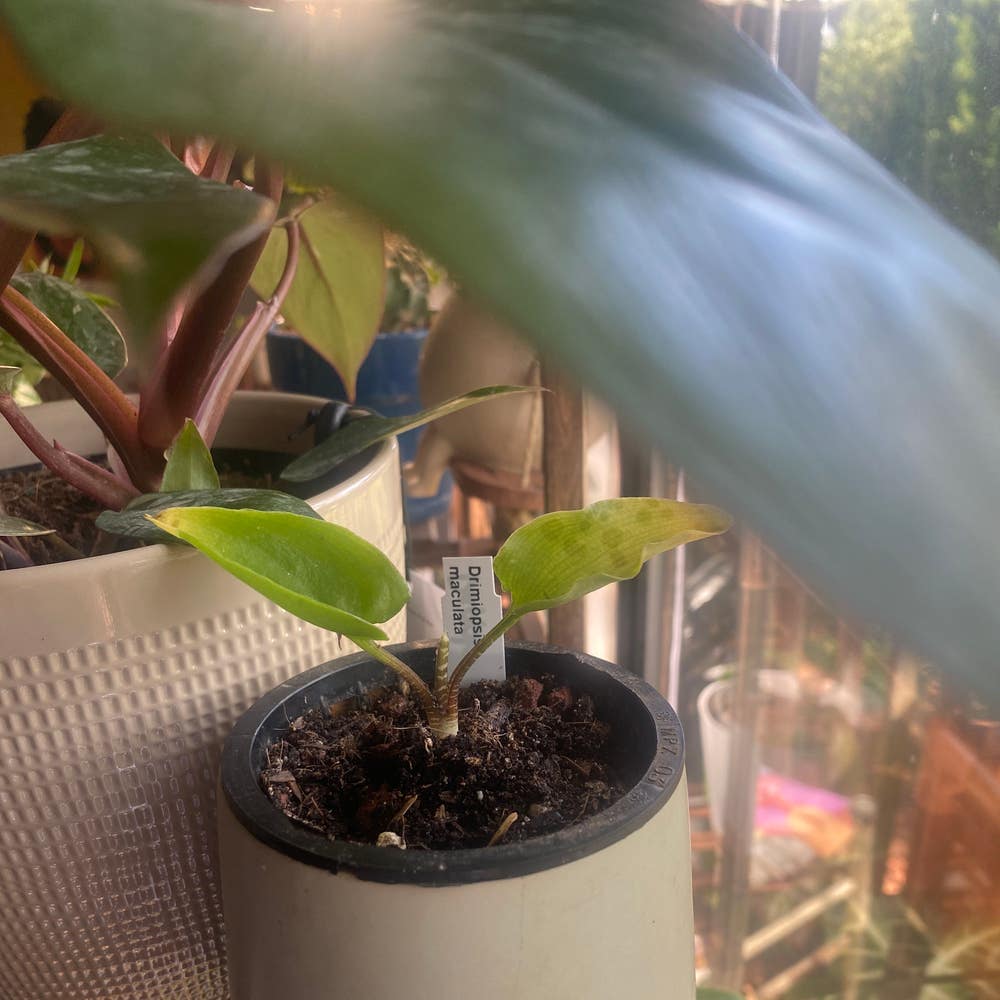
Drimiopsis maculata
By the Greg Editorial Team
Jun 18, 2024•5 min read
This article was created with the help of AI so we can cover more plants for you. May contain errors. See one? Report it here.
- Over-watering? Stop, dry out soil, and repot with fresh soil.
- Adjust light and temperature to prevent leggy plants and wilting.
- Inspect and treat pests using natural methods like insecticidal soap.
When Water Becomes the Enemy
💧 Too Much Love: The Perils of Over-watering
Yellow leaves and mushy stems are the plant's version of waving a white flag. They're not just unhappy; they're practically drowning in your affection. If the soil smells like a forgotten gym locker, it's a sure sign you've gone overboard with the watering can.
To save an over-watered plant, stop watering immediately. Let the soil's top layer dry out until it feels like a day-old bagel. If the pot weighs as much as your conscience after skipping the gym, it's waterlogged. Check the roots; if they're as mushy as overripe fruit, trim the rotten parts. Repotting with fresh, well-draining soil might just be the lifeboat your plant needs.
🏜️ The Thirsty Plant: Recognizing Under-watering
Crispy leaves are the plant's equivalent of a parched throat. If they're as dry as stale crackers and the tips are browning, it's time to up the water ante. Under-watering is like sending your plant on a desert trek with no canteen.
To quench your plant's thirst, start with a thorough watering. Allow the excess to drain as if you're detoxing its roots. Establish a watering routine that's as regular as your caffeine fix. Use the finger test: if the top inch of soil is as dry as a humorless lecture, it's time to water. For those who are forgetful, a moisture meter could become your plant's new best friend.

Light and Temperature: The Balancing Act
🌞 Too Much Sun, Too Little Light: Finding the Sweet Spot
Leggy plants and pale leaves are the plant world's version of a distress signal. They're telling you the light balance is off. To correct this, adjust your Little White Soldiers' sunbathing routine. They need bright, indirect light—not too much, not too little. Rotate them regularly to ensure all sides get equal exposure without getting sunburned.
Weathering the Temperature Swings
Browning leaves and wilting are your plant's way of saying, "I'm not comfortable with these temperature swings." Aim to keep your Little White Soldiers in a consistent temperature range, ideally between 65°F and 80°F. Avoid placing them near drafty windows or air vents to prevent sudden temperature changes that can stress them out.

Unwelcome Guests and Unseen Dangers
🐛 Bug Off: Dealing with Pests
Uninvited guests: Identifying common pests
Pests can crash your plant party like uninvited guests at a soiree. Aphids suck the life out of your plants, leaving behind a sticky mess. Spider mites are even sneakier, spinning fine webs under the leaves. Mealybugs and scale insects make themselves at home by feasting on plant juices. Regular inspections are your best defense, turning over leaves and looking for these freeloaders.
🌿 Natural defenses: Eco-friendly ways to send pests packing
When pests overstay their welcome, it's time for eco-friendly eviction. Ladybugs and lacewings are like the neighborhood watch, patrolling your plants for pests. If you prefer a hands-on approach, a gentle shower can dislodge the critters. For stubborn squatters, insecticidal soap or neem oil are the bouncers you need to clear the room.
🍄 Fungus Among Us: Tackling Mold and Root Rot
White fuzz and foul odors: Recognizing fungal foes
Mold and fungus can sneak in like a bad smell in the fridge. White fuzz or black spots on your plant are telltale signs of a fungal rave. Root rot is the unwelcome afterparty, signaled by a neon vacancy sign of mold on the soil. These issues often arise from excess moisture and poor air circulation.
🌬️ Clearing the air: Steps to eradicate mold and root rot
To shut down the fungal fiesta, crank up the airflow and consider repotting with fresh, sterile soil. If the party's gotten out of hand, an all-purpose fungicide might be your last resort. Follow the label instructions as if it's your plant's lifeline. Remember, cleanliness is next to plant godliness—sterilize your tools and pots to prevent future outbreaks.

The Burned and the Wilted: Addressing Extreme Symptoms
🔥 Scorched Soldiers: Healing Leaf Scorch
Brown, crispy patches on your Little White Soldiers' leaves scream sunburn. To treat, first, prune the damaged foliage to prevent further energy drain. Then, relocate your plant to a spot with indirect sunlight to avoid future scorching. Misting can create a more humid microclimate, mimicking a mini rainforest that these plants adore.
🌥 Shifting Shade: Preventing Future Leaf Burn
Prevent leaf scorch by acclimating your plant to brighter light gradually. Ensure it's not under the midday sun's harsh glare. Consider using a sheer curtain to diffuse direct sunlight, providing a gentle, filtered light environment.
💧 Wilted Warriors: Reviving Plants from Irregular Care
Drooping leaves and a lackluster color palette are telltale signs of inconsistent care. To revive your plant, stabilize your watering and lighting routine. Ensure the soil is moist but not soggy, and that your plant receives consistent, but not direct, light.
🔄 Back on Track: Stabilizing Care for Recovery
Consistency is key. Establish a regular care schedule that includes even watering and rotating your plant for uniform light exposure. Monitor closely for signs of recovery, such as new growth and a return to vibrant coloration.
⚠️ Safety First
This content is for general information and may contain errors, omissions, or outdated details. It is not medical, veterinary advice, or an endorsement of therapeutic claims.
Always consult a qualified healthcare professional before using any plant as food, medicine, or supplement.
Never eat any plant (or feed one to pets) without confirming its identity with at least two trusted sources.
If you suspect poisoning, call Poison Control (800) 222-1222, the Pet Poison Helpline (800) 213-6680, or your local emergency service immediately.
Spotted an error? Please report it here.
Revive your Little White Soldiers from common woes and watch them thrive 🌿 with Greg's custom care plans, ensuring perfect watering and lighting every time.