Does My Little White Soldiers Need Direct Sunlight?
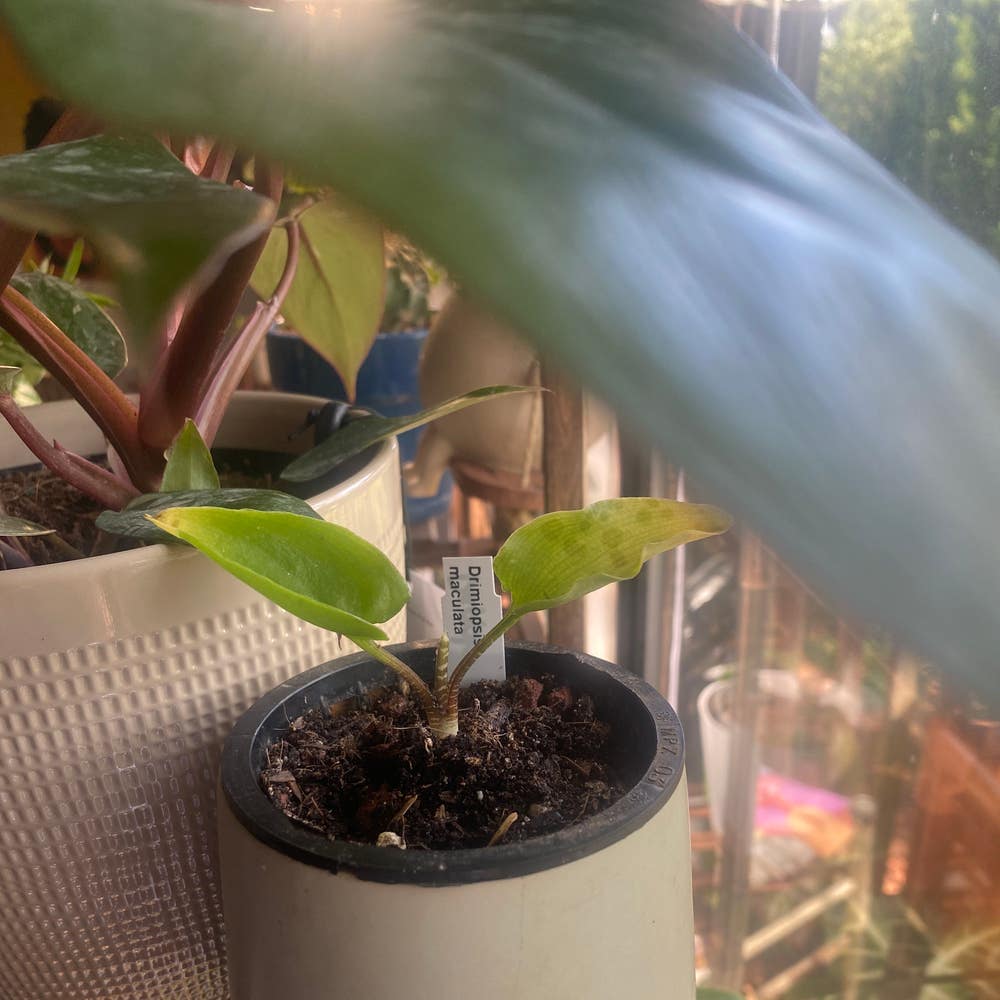
Drimiopsis maculata
By the Greg Editorial Team
Jun 18, 2024•3 min read
This article was created with the help of AI so we can cover more plants for you. May contain errors. See one? Report it here.
- 🌿 Little White Soldiers prefer bright, indirect light to avoid leaf damage.
- 🧭 Window direction matters: South in the North, North in the South.
- 🌤️ Seasonal adjustments and sheer curtains protect from excessive sunlight.
Sunlight Decoded for Little White Soldiers
🌞 What Direct Sunlight Really Means
Direct sunlight is the undiluted dose of sunbeams, a full-on charge of photons raining down on your plants. It's the kind of light that casts sharp, defined shadows, the kind you'd see in a clear noon sky. Indirect sunlight, however, is the gentle cousin, a softer illumination that doesn't blare down on your Little White Soldiers. It's the dappled light under a tree or the glow in a room with sheer curtains.
🌱 Little White Soldiers' Sunlight Preferences
Little White Soldiers, with their delicate demeanor, have a preference for light that's just right. They're not the type to lounge in the harsh midday sun; instead, they thrive in bright, indirect light. Too much direct sunlight can lead to a sunburnt battalion, with leaves turning crispy and discolored. Keep an eye out for the sweet spot where they get enough light to grow without the risk of damage.

When the Sun Plays Favorites
🌞 Window Direction: A Compass for Plant Parents
Your Little White Soldiers have a preference for their sunbathing spots, and it's up to you to find it. South-facing windows are the sun loungers in the Northern Hemisphere, soaking up the most rays. But if you're down under in the Southern Hemisphere, it's the north-facing windows that get the premium sunlight. Use a compass app or check Google Maps to identify your home's orientation and give your plants the light they crave.
🌍 Hemisphere Hints: North or South, It Matters!
The hemisphere you call home plays a starring role in your Little White Soldiers' tanning routine. In the north, south-facing windows are the VIP section, while north-facing ones offer a more relaxed vibe with less intense light. Flip the situation if you're in the south; north-facing windows are where the party's at, and south-facing ones are the chill-out zone. Adjust your plant's position with the seasons to dodge too much sun or seek out more, just like a sunflower follows the sun's path. Keep an eye on the sky, and your Little White Soldiers will show their appreciation with robust health.

Keeping Little White Soldiers Happy in the Sun
🌞 Seasonal Shifts and Sunlight Strategies
As the seasons change, the sun's mood swings demand a flexible approach to plant placement. In winter, cozy up your Little White Soldiers to the window to soak up the scarce sunlight. Come summer, pull them back to avoid the harsh glare that could leave them with the botanical equivalent of a sunburn.
🌞 Sunlight Solutions: Practical Tips for Indoor Care
Strategic positioning is key to keeping your leafy friends thriving. Use sheer curtains to diffuse intense sunlight, protecting your plants from the midday glare. Rotate them regularly to ensure all sides receive their fair share of light, preventing the dreaded one-sided growth spurt. If natural light is playing hard to get, introduce a grow light to the mix, ensuring it's not too close to avoid leaf scorch. Remember, patience is a virtue when it comes to plant care—adjust gradually to prevent shock and keep an eye out for the tell-tale signs of too much sun, such as yellowing leaves.

⚠️ Safety First
This content is for general information and may contain errors, omissions, or outdated details. It is not medical, veterinary advice, or an endorsement of therapeutic claims.
Always consult a qualified healthcare professional before using any plant as food, medicine, or supplement.
Never eat any plant (or feed one to pets) without confirming its identity with at least two trusted sources.
If you suspect poisoning, call Poison Control (800) 222-1222, the Pet Poison Helpline (800) 213-6680, or your local emergency service immediately.
Spotted an error? Please report it here.
Ensure your Little White Soldiers thrive in just the right light by letting Greg auto-magically 🪄 measure the perfect window distance for their growth.