Why Are My Little White Soldiers Leaves Falling Over?
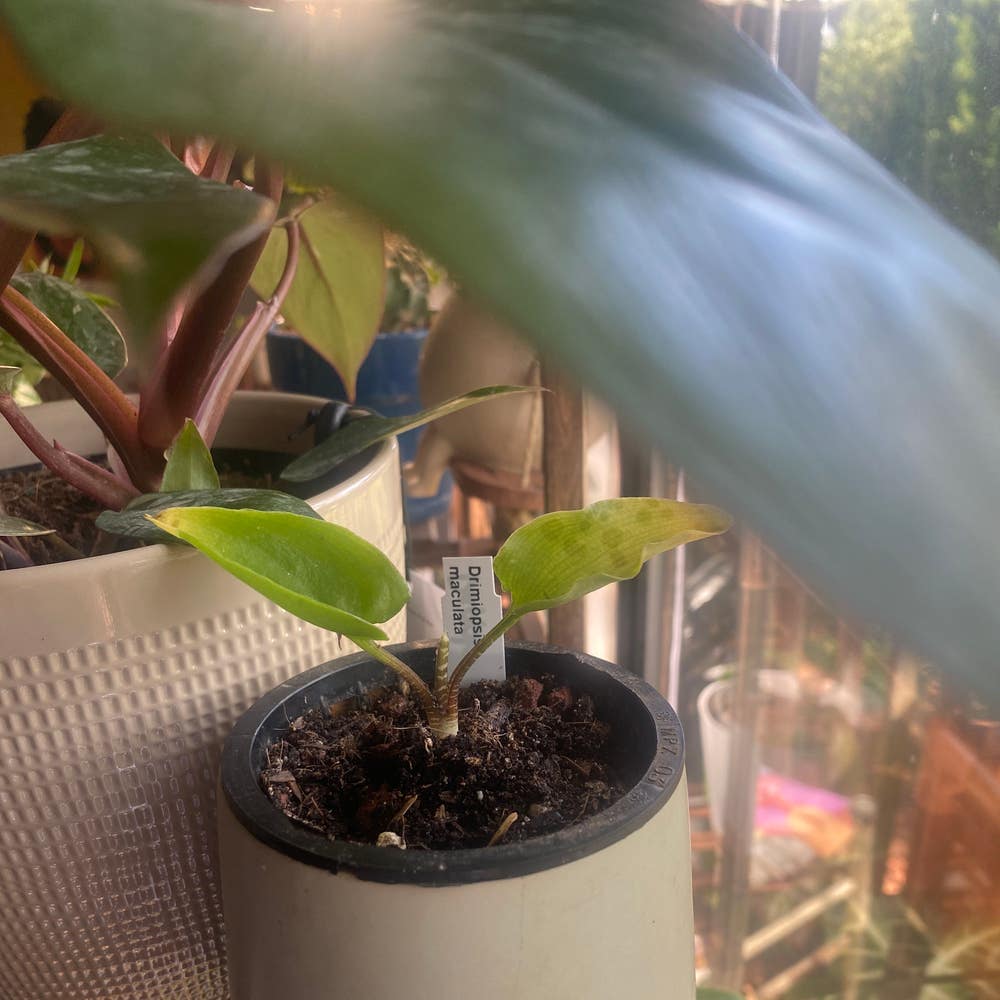
Drimiopsis maculata
By the Greg Editorial Team
Jun 18, 2024•4 min read
This article was created with the help of AI so we can cover more plants for you. May contain errors. See one? Report it here.
- Overwatering causes root rot; let top inch of soil dry before watering.
- Bright indirect light is ideal; avoid direct sun and temperature extremes.
- Nutrient balance and proper feeding keep leaves perky and prevent droop.
When Water Woes Weigh Down Your Plant
💧 Overwatering Overload
Root rot is the plant equivalent of athlete's foot—unpleasant and avoidable. You'll know it's happening when the leaves turn a sickly yellow and the soil smells like a swamp. Mushy stems? That's the red flag of overwatering.
To strike the right balance, think of your plant's soil like a gourmet cake—moist, but never soggy. The top inch should dry out before you even consider reaching for the watering can. And always ensure your pot has drainage holes to let excess water escape.
🏜️ The Thirst Trap: Underwatering
Wilting leaves are the plant's way of saying, "I'm thirsty!" If the soil is as dry as a stand-up comic's humor, it's time to water. But don't drown your plant in enthusiasm—slow and steady wins the race.
Setting up a watering rhythm is like finding the beat in a catchy tune. Check the soil moisture regularly, and adjust your schedule with the seasons. Plants are like us—they need more to drink on hot days and less when they're just chilling.

Light and Temperature: The Balancing Act
🌞 Too Much Sun or Not Enough?
Decoding the light levels is essential for the health of your Little White Soldiers. These plants crave bright, indirect light. Too much direct sunlight can cause leaf scorch, while insufficient light leads to a pale and stretched appearance.
Finding the Sweet Spot
The ideal light conditions mimic a shady canopy. Place your plant in a spot where it receives filtered light, akin to a sunhat for your green companion. Rotate the pot periodically to ensure all sides receive equal illumination.
🌡️ Temperature Tantrums
Your plant's comfort is paramount; it thrives between 65°F and 80°F. Sudden temperature changes can cause leaves to droop as if they've lost their will to stand tall.
Keeping it Cool (or Warm)
Stabilize your plant's climate by avoiding drafty windows and direct heat sources. Think of it as maintaining a climate-controlled bubble where your Little White Soldiers can stand at ease. Rotate your plant to prevent a lopsided growth, ensuring uniform exposure to the ambient temperature.

Feeding Finesse: Nutrients for Upright Leaves
🌱 Spotting Starvation in Your Soldiers
Yellowing leaves might be your plant's way of saying, "Feed me!" Nutrient deficiencies often manifest as discolored foliage, stunted growth, and a general look of despair. It's not just about nitrogen, phosphorus, and potassium; micronutrients like iron and manganese play crucial backup roles.
Choosing the right fertilizer is like picking a tailored suit—it should fit your plant's specific needs. A balanced NPK ratio is a good starting point, but don't ignore the micronutrients. Think of them as the secret sauce that keeps your plant robust.
📅 The Feeding Frequency Formula
Timing is everything. Your plant's hunger pangs will vary, so adjust your feeding schedule according to its growth cycle and the seasons. Overfeeding can be as harmful as neglect, leading to a nutrient overdose with symptoms like leaf burn or brown spots.
Observation is key. Like a plant whisperer, you'll need to tune into your Little White Soldiers' subtle signals. If they perk up after feeding, you're on the right track. If they slump, reassess your approach. It's a dance of give and take, with each step informed by the last.

Rescue and Recovery: Reviving Your Droopy Troops
🚑 Immediate Interventions
First aid for your foliage is crucial to halt the droop. Begin by trimming away any damaged or wilted leaves. This redirects the plant's energy to healthier areas. Before watering, check the soil. If the top inch feels dry, water with room-temperature water. Remember, moderation is key—let the soil dry slightly between waterings.
📈 The Recovery Roadmap
To nurse your plant back to health, follow a step-by-step approach. After dealing with immediate issues, monitor your plant's progress. New growth is a positive sign, while persistent droopiness may require further action. Adjust care routines based on your plant's response, and be patient—recovery can be slow.
🌱 Long-Term Love and Care
Craft a consistent care routine to maintain your plant's vigor. Ensure proper light, water, and temperature conditions are met. Air circulation is also vital; it wards off diseases and pests. If pests do appear, address them promptly and precisely. Remember, recovery is a marathon, not a sprint.
👀 Vigilance and Adjustment
Stay vigilant and ready to tweak your care approach as your plant recovers. Use tools like moisture meters to accurately assess your plant's needs. If the plant continues to struggle, consider repotting with fresh, well-draining soil and a pot with proper drainage. Keep an eye out for signs of distress and adjust your care accordingly.
⚠️ Safety First
This content is for general information and may contain errors, omissions, or outdated details. It is not medical, veterinary advice, or an endorsement of therapeutic claims.
Always consult a qualified healthcare professional before using any plant as food, medicine, or supplement.
Never eat any plant (or feed one to pets) without confirming its identity with at least two trusted sources.
If you suspect poisoning, call Poison Control (800) 222-1222, the Pet Poison Helpline (800) 213-6680, or your local emergency service immediately.
Spotted an error? Please report it here.
Revive your drooping Little White Soldiers by letting Greg optimize watering 💧 and protect them from root rot with a perfect watering schedule tailored to their needs.