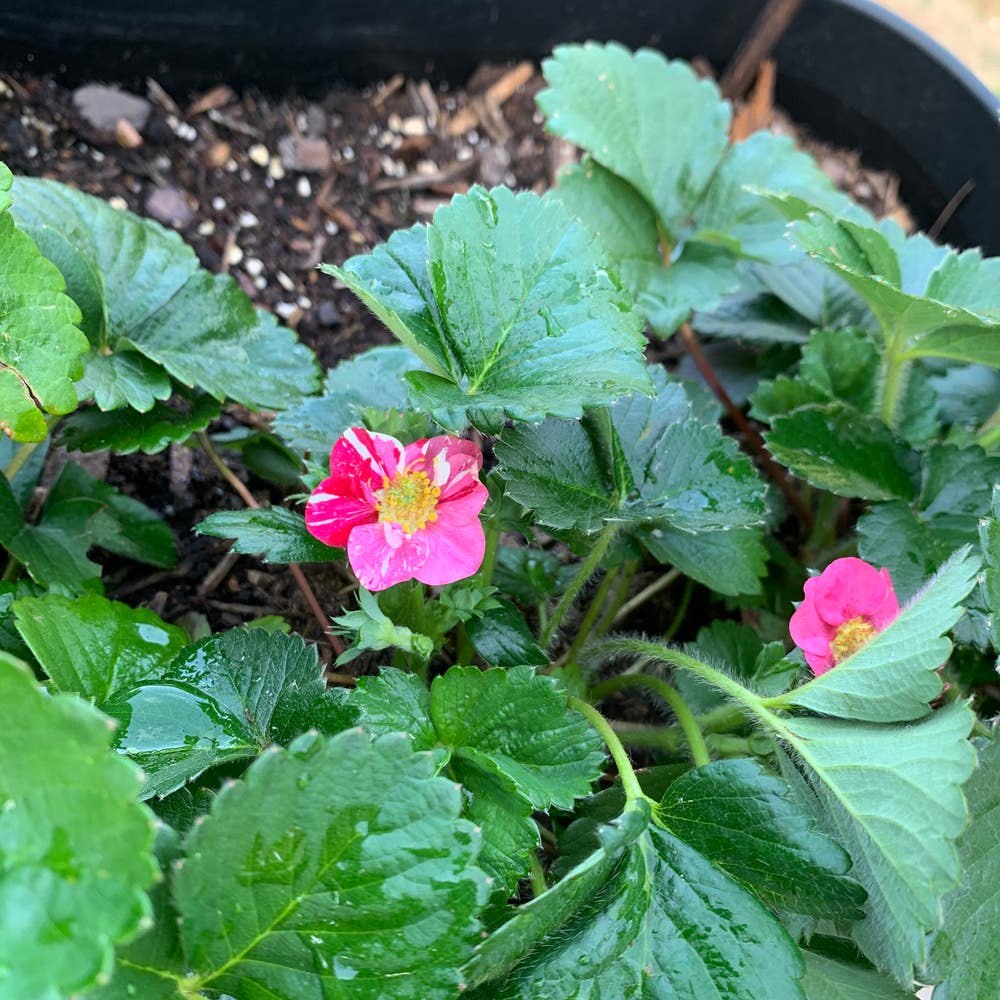
How to Cure Yellow Leaves on Your Potentilla 🩹
Potentilla brachystemon
By the Greg Editorial Team
Nov 22, 2024•6 min read
This article was created with the help of AI so we can cover more plants for you. May contain errors. See one? Report it here.
Transform your Potentilla's yellow leaves back to vibrant green with these essential care tips! 🌿
- 🌱 Yellow leaves indicate nutrient deficiencies, especially nitrogen and iron.
- 💧 Overwatering and poor drainage lead to yellowing; ensure proper soil moisture.
- 🐜 Pests like aphids and spider mites can cause yellowing; inspect regularly for infestations.
Causes of Yellow Leaves
🌱 Nutrient Deficiencies
Nutrient deficiencies can significantly impact the health of your Potentilla. A common issue is nitrogen deficiency, which causes older leaves to yellow and eventually drop off.
Iron deficiency is another culprit, leading to a condition known as interveinal chlorosis, where the leaf veins remain green while the spaces between them turn yellow. To keep your Potentilla vibrant, balanced fertilization is crucial for lush foliage and abundant blooms.
💧 Overwatering and Poor Drainage
Overwatering is a frequent mistake that can lead to yellowing leaves, wilting, and even root rot. If your Potentilla is showing these symptoms, it’s likely drowning in excess water.
Proper soil drainage is essential to prevent waterlogging. Look for signs of poor drainage, such as water pooling on the surface or consistently soggy soil, which can exacerbate yellowing leaves.
🐛 Pests and Diseases
Pests can wreak havoc on your Potentilla, with aphids being a common offender. These tiny insects cause yellowing and curling of leaves, indicating that your plant is under attack.
Spider mites are another threat, leading to stippled leaves and overall plant decline. Additionally, diseases like root rot, often a result of overwatering, and various fungal infections can also cause yellow leaves. Keeping an eye out for these issues is key to maintaining your plant's health.
Understanding these causes will help you take proactive steps to restore your Potentilla's vibrant color and vitality. Next, we’ll explore how to diagnose yellow leaves effectively.
Diagnosing Yellow Leaves
🌼 Identifying Symptoms
When diagnosing yellow leaves on your Potentilla, start by observing the visual signs. General yellowing across the entire plant indicates a broader issue, while localized yellowing may point to specific leaf areas needing attention.
Pay attention to leaf drop patterns and the overall vigor of the plant. A healthy Potentilla should exhibit robust growth and vibrant foliage, so any deviations could signal underlying problems.
🌱 Assessing Soil Conditions
Next, assess the soil conditions to ensure your plant's roots are thriving. A soil moisture check is crucial; use a moisture meter or perform a finger test to gauge dampness.
Additionally, evaluate the soil composition. Compacted or poorly draining soil can hinder root health, leading to yellow leaves. Make sure your Potentilla is in a soil environment that promotes healthy growth.
🐛 Checking for Pests
Finally, inspect your plant for pests that may be causing distress. Look under the leaves and at stem joints, as these are common hiding spots for unwanted visitors.
For smaller pests like spider mites, a magnifying glass can be a handy tool. Regular inspections will help you catch any infestations early, ensuring your Potentilla remains healthy and vibrant.
By carefully diagnosing yellow leaves through these steps, you can identify the root cause and take action to restore your plant's health. Next, we’ll explore effective treatment methods to revive your Potentilla.
Treating Yellow Leaves
🌊 Adjusting Watering Practices
Determine current watering schedule: Start by assessing how often and how much water you’re giving your Potentilla. This will help you understand if you're over or under-watering.
Adjust based on soil moisture: Water your plant only when the top inch of soil feels dry. This simple check can prevent yellowing leaves caused by excess moisture.
Implement proper drainage solutions: Ensure your pots have drainage holes to allow excess water to escape. You can also mix perlite into the soil to improve drainage and aeration.
🌱 Fertilizing for Nutrient Deficiencies
Identify specific nutrient needs: Conduct a soil test to determine if your Potentilla is lacking essential nutrients. This step is crucial for targeted treatment.
Select appropriate fertilizer: Opt for a balanced NPK fertilizer or specific nutrient supplements based on the deficiencies identified. This will help restore vibrant foliage and blooms.
Application timing: Fertilize during the growing season, following the package instructions for best results. Timing is key to ensuring your plant gets the nutrients it needs when it can use them most.
🐛 Pest Control Methods
Organic pest control options: Use neem oil or insecticidal soap to tackle aphids effectively. For spider mites, increasing humidity can create an unfavorable environment for them.
Monitoring and reapplication: Keep a close eye on your plants for any signs of pest resurgence. Regular checks and timely reapplications will help maintain a healthy Potentilla.
By addressing watering practices, nutrient needs, and pest control, you can effectively treat yellow leaves on your Potentilla. With these strategies in place, your plant will be on the road to recovery, ready to thrive once again.
Next, let’s explore how to prevent yellow leaves from becoming a recurring issue.
Preventing Yellow Leaves
🌱 Best Practices for Care
Maintaining a regular watering schedule is crucial for your Potentilla. Water deeply but infrequently to encourage robust root growth, allowing the soil to dry out slightly between waterings.
Fertilization is equally important. Apply fertilizer during the growing season based on your plant's specific soil needs to ensure it receives the nutrients necessary for vibrant foliage and blooms.
🍂 Seasonal Maintenance Tips
Spring is the perfect time to prune your Potentilla. Remove any dead or damaged branches to promote new growth and enhance the plant's overall health.
As fall approaches, consider mulching around the base of your plant. This practice helps protect the roots during winter, ensuring your Potentilla remains healthy and ready to thrive come spring.
🌞 Choosing the Right Location
Placement matters when it comes to sunlight. Ensure your Potentilla is situated in an area that receives full sun to partial shade for optimal growth.
Soil conditions are also key. Select well-draining areas to prevent water accumulation, which can lead to yellow leaves and other issues.
By following these preventive measures, you can help your Potentilla flourish and avoid the frustration of yellowing leaves. Next, let’s explore how to monitor your plant's health effectively.
Monitoring Plant Health
🔍 Regular Inspection Techniques
Regular inspections are key to maintaining the health of your Potentilla. Aim for weekly checks to spot any signs of yellowing leaves or pest infestations early.
Keep a close eye on changes in leaf color and overall plant vigor. Documenting these changes can help you identify patterns and adjust your care routine accordingly.
🌱 Signs of Recovery
After implementing treatment strategies, look for signs of recovery. New growth emerging is a positive indicator that your Potentilla is bouncing back.
You should also notice a gradual return of leaf color and overall vigor. These signs suggest that your plant is on the road to health.
🆘 When to Seek Professional Help
Sometimes, despite your best efforts, yellowing may persist. If you notice ongoing yellowing after making care adjustments, it might be time to consult a professional.
Additionally, severe pest infestations or disease symptoms that are hard to manage warrant expert advice. Don't hesitate to seek help to ensure your Potentilla thrives.
Monitoring your plant's health is crucial for its longevity. With regular checks and timely interventions, you can keep your Potentilla vibrant and flourishing. Next, let's explore how to prevent yellow leaves from becoming a recurring issue.
⚠️ Safety First
This content is for general information and may contain errors, omissions, or outdated details. It is not medical, veterinary advice, or an endorsement of therapeutic claims.
Always consult a qualified healthcare professional before using any plant as food, medicine, or supplement.
Never eat any plant (or feed one to pets) without confirming its identity with at least two trusted sources.
If you suspect poisoning, call Poison Control (800) 222-1222, the Pet Poison Helpline (800) 213-6680, or your local emergency service immediately.
Spotted an error? Please report it here.
Revive your Potentilla's vibrant leaves 🌿 by using Greg's tailored watering alerts and nutrient tracking to keep it healthy and thriving!