🌼 Ultimate Guide to Potentilla Flowers
Potentilla brachystemon
By the Greg Editorial Team
Nov 22, 2024•6 min read
This article was created with the help of AI so we can cover more plants for you. May contain errors. See one? Report it here.
Unlock vibrant Potentilla blooms 🌼 and transform your garden into a seasonal paradise! 🌱
- 🌼 Potentilla flowers bloom from late spring to early fall, ensuring vibrant garden color.
- 🌞 Full sun and well-draining soil are crucial for optimal blooming and health.
- 🌱 Pruning and deadheading promote new blooms, enhancing your garden's appearance.
Flowering Status
Clarification on Flower Production 🌸
Potentilla is indeed a flowering plant, showcasing its vibrant blooms from late spring through early fall. This extended blooming period makes it a delightful addition to any garden.
However, it's important to note that some varieties may struggle to produce flowers due to environmental stressors or improper care. Factors like inadequate sunlight, poor soil quality, or inconsistent watering can lead to reduced flowering.
Understanding these nuances can help you nurture your Potentilla effectively, ensuring a beautiful display of flowers throughout the growing season.
As we explore the characteristics of these lovely blooms, you'll discover the diverse colors and structures that make Potentilla a favorite among gardeners.
Flower Characteristics
Description of Flower Colors and Structure 🌼
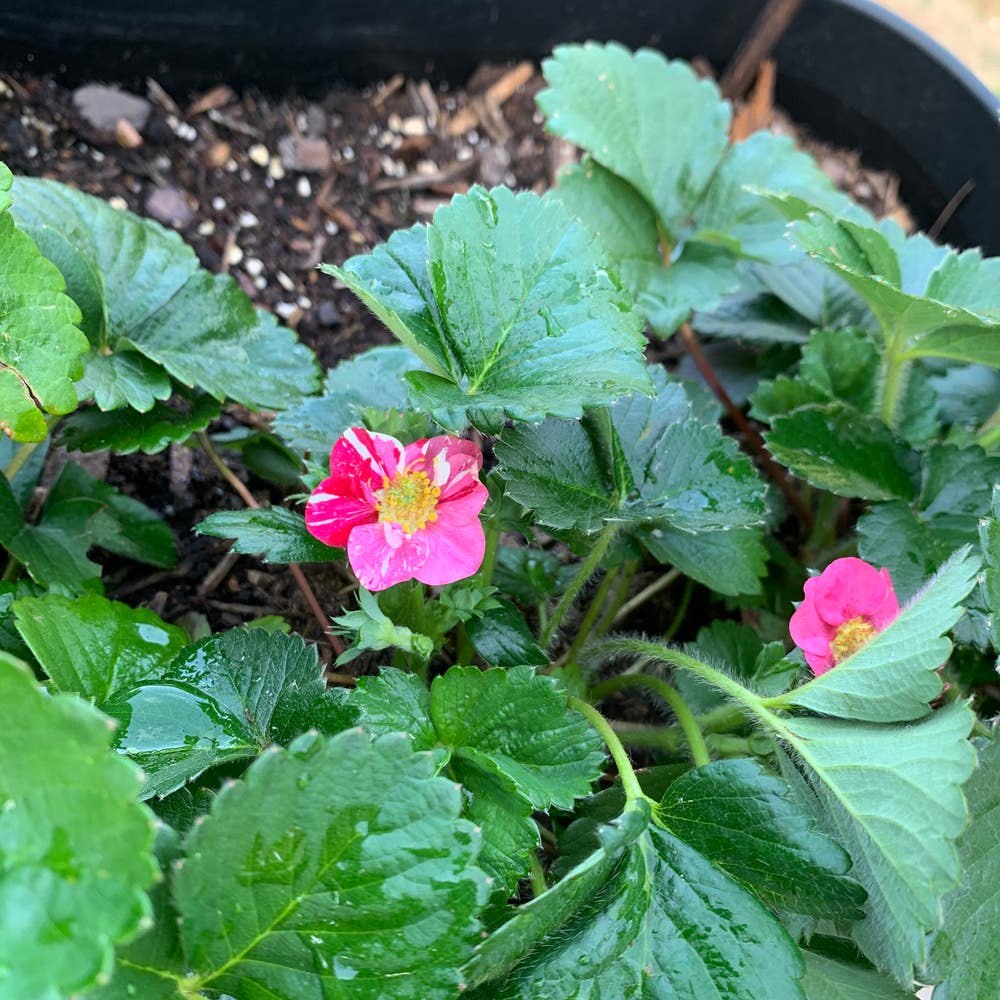
Potentilla flowers are a delightful sight, showcasing vibrant colors like yellow, white, pink, and red. Their cup-shaped structure features five petals, elegantly framed by lush green foliage, making them a charming addition to any garden.
Self-Pollination vs. External Pollination 🐝
One fascinating aspect of Potentilla is its ability to self-pollinate. This means that these resilient flowers can produce seeds without needing help from external pollinators, ensuring their survival in various environments.
However, some Potentilla varieties thrive on cross-pollination, which can enhance seed production and genetic diversity. This interaction with pollinators like bees and butterflies not only boosts their vigor but also supports local ecosystems.
As you explore the captivating world of Potentilla, you'll appreciate how these flowers adapt and flourish, whether through self-sufficiency or collaboration with nature. Next, we'll delve into the blooming process, uncovering the stages that lead to their stunning display.
Blooming Process
Outline of Blooming Stages and Typical Bloom Time 🌸
The blooming process of Potentilla is a fascinating journey that begins with bud formation in early spring. The stages of blooming include:
- Bud formation: This is the initial stage where buds start to develop.
- Initial bloom: The first flowers begin to open, showcasing their vibrant colors.
- Peak bloom: This is when the plant is in full flower, displaying a stunning array of blossoms.
- Post-bloom: After peak bloom, flowers start to fade, marking the end of the flowering cycle.
Typically, Potentilla blooms from late spring to early fall, with the exact timing depending on the specific variety.
Duration from Bud Formation to Full Bloom ⏳
From the moment buds form, it takes approximately 4-6 weeks for Potentilla to reach full bloom. This timeframe allows the plant to transition through its blooming stages, ensuring a vibrant display.
Lifespan of Flowers 🌼
Individual Potentilla flowers have a lifespan of about 3-4 days before wilting. However, the overall blooming period can last several weeks, especially if the plant receives optimal care and conditions. With the right environment, you can enjoy continuous blooms throughout the growing season.
As we explore the blooming process, it's essential to consider how to encourage these beautiful flowers to thrive. Let's dive into some tips for promoting Potentilla blooms!
Encouraging Blooms
Tips for Encouraging Potentilla to Bloom 🌼
To get your Potentilla flowers thriving, start with adequate sunlight. Aim for full sun exposure, ideally 6-8 hours daily, to ensure robust growth and vibrant blooms.
Next, focus on regular watering. Keep the soil consistently moist but avoid waterlogging, as this can lead to root rot and hinder flowering.
Don't forget about fertilization. Using a balanced fertilizer during the growing season can significantly boost flower production, giving your plants the nutrients they need to flourish.
Factors Influencing Flowering 🌸
The quality of the soil plays a crucial role in blooming. Well-draining, fertile soil not only supports healthy roots but also enhances the overall blooming potential of your Potentilla.
Another important factor is pruning. Deadheading spent flowers encourages new blooms, keeping your plant looking fresh and vibrant throughout the season.
Lastly, consider the environmental conditions. Temperature and humidity levels can greatly affect bloom production, so ensure your Potentilla is in a suitable climate for optimal flowering.
With these tips and factors in mind, you can create the perfect environment for your Potentilla to thrive and produce stunning blooms. As you nurture your plants, you'll witness the beauty of nature unfold right before your eyes.
Ready to learn what happens after the flowers fade? Let's dive into the post-flowering care for your Potentilla!
Post-Flowering Care
What Happens After Flowering 🌼
After Potentilla finishes its blooming period, it may enter a dormant phase, particularly in colder climates. This dormancy is a natural part of its life cycle, allowing the plant to conserve energy for the next growing season.
The good news is that Potentilla does not die after flowering. It continues to grow and produce foliage, maintaining its vibrant green appearance even when not in bloom. This resilience is part of what makes Potentilla a favorite among gardeners.
Discussion on Perennial Nature 🌱
Potentilla is classified as a perennial plant, which means it will return each growing season, even after its flowers have faded. This characteristic ensures that gardeners can enjoy its beauty year after year without needing to replant.
Understanding the perennial nature of Potentilla can help you appreciate its role in your garden. It not only provides seasonal blooms but also contributes to the landscape's structure and color throughout the year.
As you care for your Potentilla, remember that its ability to thrive and return each season is a testament to its hardiness. This makes it a reliable choice for any garden enthusiast looking to create a lasting floral display.
In the next section, we will explore the various pollination methods that contribute to the plant's growth and reproduction.
Pollination Methods
🌼 Description of Pollination Methods
Potentilla flowers have a fascinating approach to reproduction. They can self-pollinate, meaning that each flower has the ability to fertilize itself, leading to seed production without needing any outside help.
However, not all varieties are the same. Some Potentilla plants thrive on cross-pollination, which involves external pollinators like bees and butterflies. This method can enhance seed viability and overall plant vigor, resulting in healthier and more robust plants.
Understanding these pollination methods can help you appreciate the resilience of Potentilla. Whether through self-sufficiency or collaboration with nature, these plants have evolved to ensure their survival and proliferation.
As we explore further, let’s delve into the unique aspects of Potentilla that make it such a remarkable addition to any garden.
Unique Aspects
🌱 Unusual Characteristics
Potentilla is a fascinating plant due to its ability to reproduce vegetatively. Through runners or rhizomes, it can spread and thrive without the need for flowering, making it a resilient choice for gardeners.
📚 Interesting Facts or Trivia
This plant boasts a rich history in traditional medicine, often symbolizing resilience and beauty across various cultures. Its adaptability allows Potentilla to flourish in diverse conditions, making it a favorite for landscaping even when it’s not in bloom.
As we explore the unique aspects of Potentilla, it's clear that this plant offers more than just visual appeal. Its hardiness and historical significance make it a remarkable addition to any garden. Next, let’s delve into the various pollination methods that contribute to its life cycle.
⚠️ Safety First
This content is for general information and may contain errors, omissions, or outdated details. It is not medical, veterinary advice, or an endorsement of therapeutic claims.
Always consult a qualified healthcare professional before using any plant as food, medicine, or supplement.
Never eat any plant (or feed one to pets) without confirming its identity with at least two trusted sources.
If you suspect poisoning, call Poison Control (800) 222-1222, the Pet Poison Helpline (800) 213-6680, or your local emergency service immediately.
Spotted an error? Please report it here.
Unlock a blooming paradise 🌸 with Potentilla by using Greg's tailored watering and fertilizing reminders to keep your garden vibrant from late spring to early fall!