🌸 9 Easy Ways to Pollinate Potentilla
Potentilla brachystemon
By the Greg Editorial Team
Nov 22, 2024•6 min read
This article was created with the help of AI so we can cover more plants for you. May contain errors. See one? Report it here.
Unlock the secrets of Potentilla's pollination to boost your garden's health and attract vital pollinators! 🌱
- 🌼 Potentilla is mostly self-pollinating, thriving even without external pollinators.
- 🐝 Attract pollinators like bees and butterflies by planting diverse flowering species.
- ✋ Hand-pollination boosts seed production during peak flowering for better results.
Is Potentilla Self-Pollinating or Cross-Pollinating?
Self-Pollination Characteristics 🌱
Potentilla species, like Potentilla fruticosa, are primarily self-pollinating. This means they can produce seeds without relying on external pollinators, which is a significant advantage in isolated environments.
Self-pollination ensures that these plants can reproduce even when pollinators are scarce. Additionally, it increases seed set when conditions are favorable, allowing for robust growth.
Cross-Pollination Characteristics 🌼
While self-pollination is common, some Potentilla species can benefit from cross-pollination. This process enhances genetic diversity and vigor, leading to healthier plants.
Understanding both pollination methods is crucial for optimal health and reproduction. It supports better fruit and seed production while encouraging biodiversity within the ecosystem, creating a thriving environment for all species involved.
By recognizing the balance between self and cross-pollination, gardeners can make informed decisions to enhance their Potentilla plants' growth and resilience.
Flower Structure
🌸 Description of Flower Anatomy
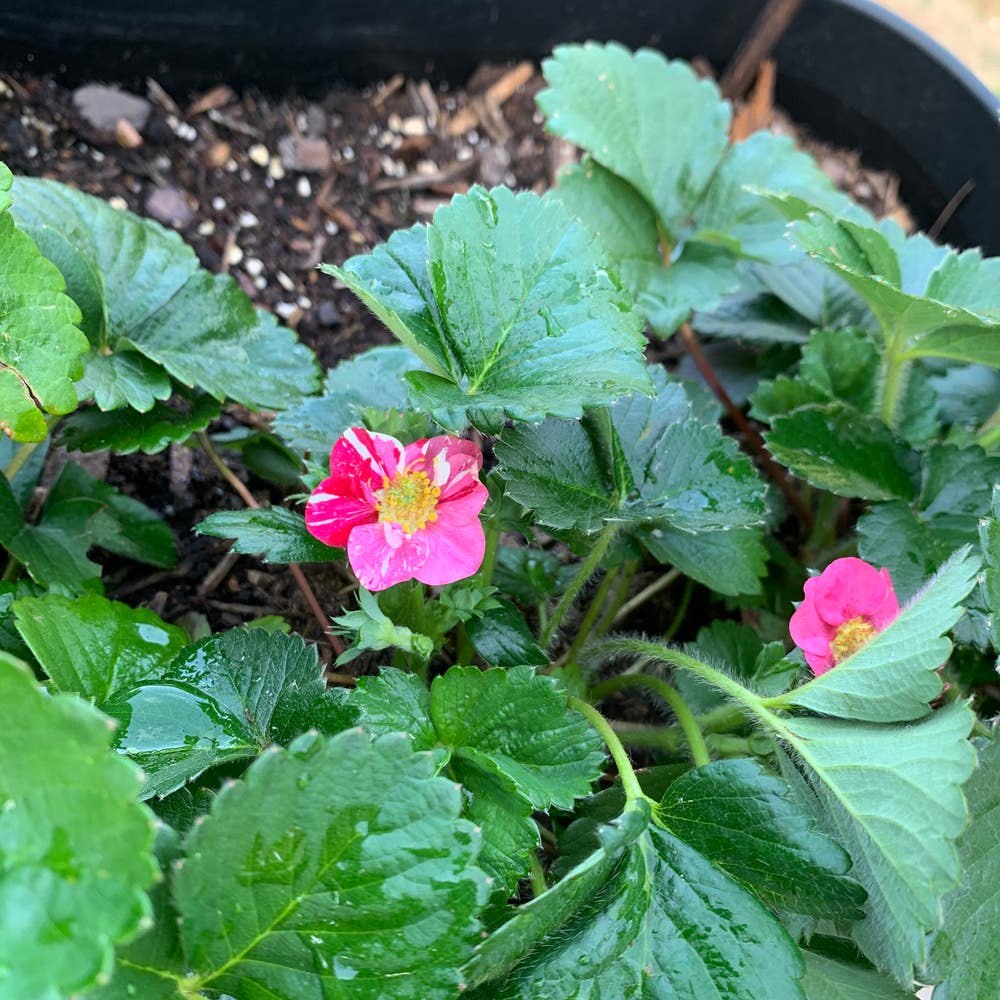
Potentilla flowers are a sight to behold, typically featuring five bright petals that can be yellow, white, or pink. These petals are arranged in clusters, creating a vibrant display that attracts various pollinators.
The green sepals serve as protective leaf-like structures for the flower bud. Within the flower, the stamens act as the male reproductive parts, producing pollen, while the pistils serve as the female reproductive parts, ready to receive that vital pollen.
🐝 How Flower Structure Facilitates Pollination
The unique arrangement of petals and stamens not only makes Potentilla flowers visually appealing but also strategically designed for pollination. This structure allows easy access for pollinators, increasing the chances of successful pollen transfer.
By attracting bees, butterflies, and other pollinators, Potentilla ensures that its reproductive process is efficient and effective. The combination of bright colors and accessible flower anatomy creates an inviting environment for these essential species.
Understanding this flower structure is crucial for anyone looking to enhance their garden's pollination success. With the right knowledge, you can create a thriving ecosystem that supports both Potentilla and its pollinators.
As we delve deeper into the pollination process, we'll explore how self-pollination and cross-pollination work hand in hand to ensure the health and vitality of Potentilla plants.
Pollination Process
Mechanism of Self-Pollination 🌼
Potentilla plants primarily rely on self-pollination, a straightforward process where pollen from the stamens falls directly onto the pistils within the same flower. This method is particularly effective in warm temperatures and low wind conditions, ensuring that these resilient plants can reproduce even in isolated environments.
Role of Cross-Pollination and Primary Pollinators 🐝
While self-pollination is common, some Potentilla species benefit from cross-pollination, which enhances genetic diversity. Key pollinators include:
- Bees: Attracted to the vibrant colors and rich nectar.
- Butterflies: Drawn in by the flower's shape and nectar availability.
- Moths and Hummingbirds: Active during specific times, contributing to the pollination process.
Potentilla flowers entice these pollinators through their delightful scent and abundant nectar. Additionally, their flowering times are strategically aligned with the activity of these beneficial insects, maximizing the chances of successful pollination.
As we explore the next section, we’ll delve into hand pollination techniques, a useful skill for gardeners looking to enhance their Potentilla's reproductive success.
Hand Pollination ((difficulty:moderate))
🌼 Step-by-Step Instructions for Hand-Pollinating Potentilla
Hand-pollination can be a rewarding way to ensure your Potentilla plants thrive. Follow these simple steps to get started:
Identify male and female flower parts: Look for the stamens, which are the male parts, and the pistils, the female parts, within the flower.
Collecting pollen: Gently tap or brush the stamens to release pollen onto a clean surface. This step is crucial for gathering enough pollen for effective transfer.
Transferring pollen: Use a small brush or cotton swab to carefully transfer the pollen to the pistil of another flower. This method mimics the natural pollination process.
Ensuring successful fertilization: After pollination, monitor the flowers for signs of seed development. This will indicate whether your efforts were successful.
⏰ Timing for Hand Pollination
Timing is key when it comes to hand-pollination. It’s best performed during peak flowering periods when the flowers are fully open. This ensures that the reproductive parts are ready for pollen transfer, maximizing your chances of success.
By following these steps and timing your efforts right, you can enhance the reproductive success of your Potentilla plants. This hands-on approach not only boosts seed production but also deepens your connection to the gardening process.
As you embark on this pollination journey, consider how you can further support your plants and the pollinators that visit them.
Supporting Pollinators
🌼 Creating a Pollinator-Friendly Environment
To create a haven for pollinators in your garden, start by planting a diverse array of flowering species. Choose plants that bloom at different times throughout the growing season to provide a continuous food source.
Avoid using pesticides that can harm beneficial insects. Instead, opt for organic pest control methods to keep your garden thriving and safe for pollinators.
🐝 Companion Plants that Attract Beneficial Pollinators
Incorporating companion plants can significantly enhance your garden's appeal to pollinators. Consider adding:
- Lavender: This fragrant herb attracts bees and butterflies, making it a favorite among pollinators.
- Coneflower: Known for its vibrant blooms, coneflower provides nectar for various pollinator species, ensuring they keep coming back.
- Marigolds: Not only do they deter pests, but marigolds also attract beneficial insects, creating a balanced ecosystem.
By fostering a pollinator-friendly environment, you can support the health of your garden and contribute to the broader ecosystem. This proactive approach not only enhances your garden's beauty but also ensures that your Potentilla and other plants thrive through effective pollination.
As you cultivate this vibrant space, you'll be setting the stage for the next topic: understanding the challenges that can arise in the pollination process.
Pollination Challenges
🌼 Common Obstacles to Successful Pollination
Pollination can be a tricky business for Potentilla plants. Environmental factors like temperature extremes and humidity levels can significantly affect pollen viability, making it harder for flowers to reproduce.
Additionally, the decline of pollinator populations due to habitat loss and pesticide use poses a serious challenge. Without these essential creatures, the chances of successful pollination drop dramatically.
🛠️ Solutions for Overcoming Pollination Challenges
Fortunately, there are several strategies to improve pollination success. One effective approach is planting a diverse range of flowering species that bloom at different times, attracting a wider variety of pollinators.
Creating sheltered areas in your garden can also protect pollinators from harsh weather conditions, ensuring they remain active and effective. Lastly, when natural pollination isn't enough, utilizing hand pollination techniques can provide a reliable backup to ensure your Potentilla thrives.
By addressing these challenges head-on, you can foster a more vibrant and productive garden. This proactive approach not only benefits your plants but also supports the vital pollinator populations that contribute to our ecosystem.
⚠️ Safety First
This content is for general information and may contain errors, omissions, or outdated details. It is not medical, veterinary advice, or an endorsement of therapeutic claims.
Always consult a qualified healthcare professional before using any plant as food, medicine, or supplement.
Never eat any plant (or feed one to pets) without confirming its identity with at least two trusted sources.
If you suspect poisoning, call Poison Control (800) 222-1222, the Pet Poison Helpline (800) 213-6680, or your local emergency service immediately.
Spotted an error? Please report it here.
Boost your Potentilla's pollination success 🌼 with Greg's tailored tips and reminders, ensuring a thriving garden that attracts beneficial pollinators!