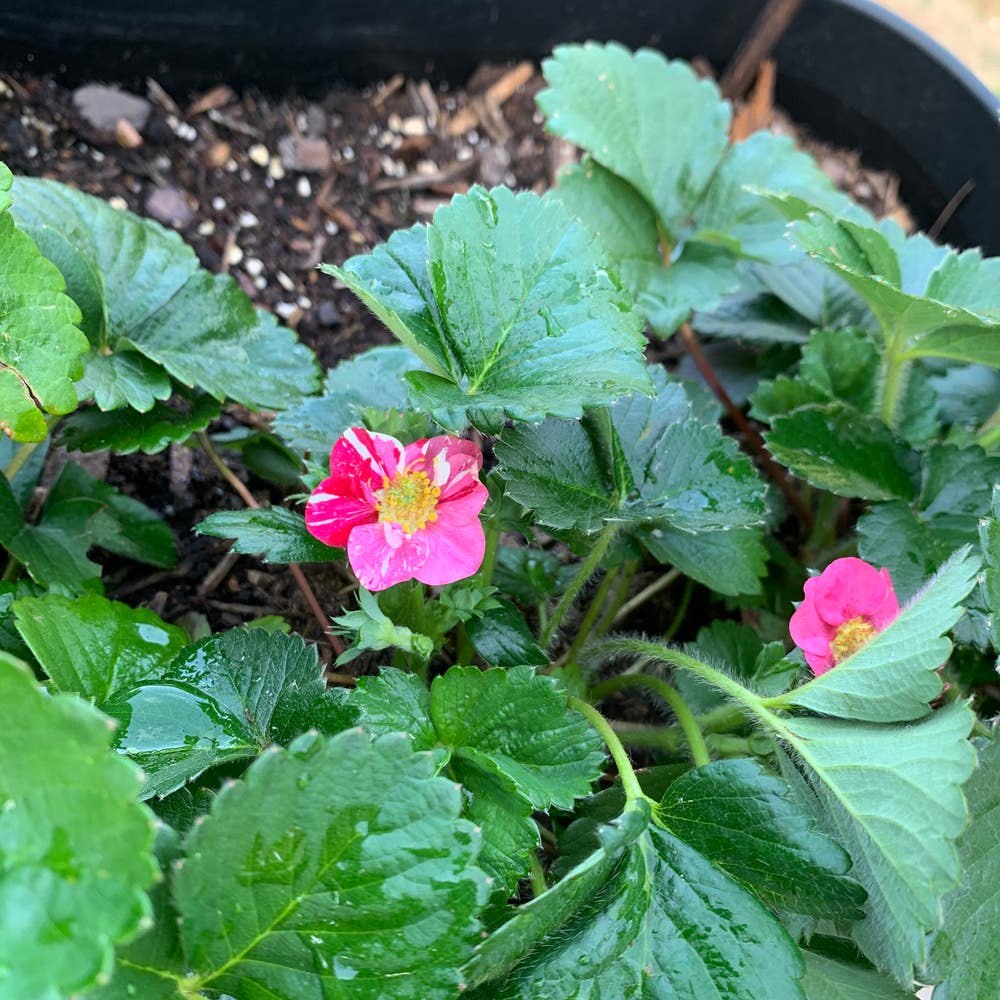
🌼 Potentilla Is Not Considered a Weed
Potentilla brachystemon
By the Greg Editorial Team
Nov 22, 2024•4 min read
This article was created with the help of AI so we can cover more plants for you. May contain errors. See one? Report it here.
Uncover how Potentilla beautifies gardens and supports ecosystems without being invasive! 🌼
- 🌱 Potentilla is not invasive, promoting biodiversity without harming local ecosystems.
- 🐝 Attracts pollinators like bees and butterflies, supporting local wildlife.
- 🌍 Enhances soil health and prevents erosion, making it eco-friendly for gardens.
Plant Classification
Definition of Invasive Species 🌱
Invasive species are plants or animals that grow and spread rapidly, often outpacing native species. They can displace local flora, leading to negative impacts on ecosystems by disrupting food chains and altering habitats.
Why Potentilla is Not Invasive 🌼
Potentilla, on the other hand, exhibits a moderate growth rate and a non-aggressive spread. Its growth is naturally limited by environmental conditions and competition from other plants.
Unlike invasive species, Potentilla does not outcompete native flora or disrupt local ecosystems. Instead, it coexists harmoniously, contributing to the biodiversity of its environment without overwhelming it.
This balance makes Potentilla a valuable addition to gardens and landscapes, promoting a healthy ecosystem rather than threatening it. As we explore its growth habits and ecological role, we’ll see just how beneficial this plant can be.
Growth Habits
Typical Growth Patterns 🌼
Potentilla exhibits a low-growing, spreading nature that makes it a charming addition to any garden. With its attractive flowers, it can brighten up landscapes, and the most common varieties include Potentilla fruticosa and Potentilla erecta.
Natural Limits to Growth 🌱
This plant thrives in various soil conditions, showcasing its adaptability. It prefers full sun to partial shade, which influences its growth and overall health.
Spread Potential 🌿
Potentilla spreads primarily through rhizome growth, allowing for moderate expansion without becoming aggressive. Regular care and maintenance help keep its boundaries in check, ensuring it remains a manageable and delightful part of your garden.
As we explore the ecological role of Potentilla, we’ll uncover its benefits to both soil health and local wildlife.
Ecological Role
Benefits in Ecosystems 🌱
Potentilla plays a vital role in enhancing soil health. Its dense root system is excellent for erosion control, stabilizing soil and preventing runoff during heavy rains.
This plant's ability to thrive in various conditions makes it a valuable asset in maintaining healthy ecosystems. By anchoring the soil, Potentilla helps create a more resilient environment for other plants to flourish.
Positive Interactions with Wildlife 🐝
One of the standout features of Potentilla is its support for pollinators. The flowers provide nectar and habitat for essential species like bees, butterflies, and birds, making it a favorite in gardens aimed at attracting wildlife.
Moreover, Potentilla contributes to biodiversity by attracting beneficial insects. This interaction fosters a balanced ecosystem, where various species can thrive together, enhancing the overall health of the environment.
Incorporating Potentilla into your garden not only beautifies your space but also supports local wildlife and promotes ecological balance. As we explore garden management strategies next, consider how these plants can fit into your landscape while benefiting the ecosystem.
Garden Management Strategies
Incorporating into Garden Designs 🌼
Potentilla can be a fantastic addition to your garden. Its low-growing, spreading nature makes it ideal for ground cover or as a border plant.
Pairing Potentilla with native plants creates a cohesive look that enhances your garden's aesthetics. This combination not only beautifies your space but also supports local wildlife.
Controlling Growth if Necessary ✂️
While Potentilla is generally manageable, regular pruning can help maintain its desired shape and size. This simple technique keeps your garden looking tidy and encourages healthy growth.
Monitoring the spread of Potentilla is also essential. Assessing its growth regularly allows you to manage boundaries effectively, ensuring it complements rather than overtakes your garden.
With these strategies, you can enjoy the beauty of Potentilla while keeping your garden in check. Transitioning to the next topic, let’s explore the legal and environmental considerations of planting this versatile species.
Legal and Environmental Considerations
Guidelines for Planting and Growing 🌱
When planting Potentilla, start with proper soil preparation. Ensure the soil is well-drained and enriched with organic matter to promote healthy growth.
Spacing is crucial; aim for about 18 to 24 inches between plants. This allows for adequate air circulation and prevents overcrowding.
Seasonal care is essential for thriving Potentilla. Regular watering during dry spells helps establish roots, while fertilization in early spring boosts growth.
Role in Sustainable Gardening 🌍
Potentilla plays a vital role in eco-friendly landscapes. Its presence supports local wildlife, providing nectar and habitat for pollinators like bees and butterflies.
Incorporating Potentilla into your garden contributes to sustainable practices. Its dense root system aids in erosion control and stabilizes soil, making it a smart choice for environmentally conscious gardeners.
As you consider your garden design, think about how Potentilla can enhance biodiversity. This plant not only beautifies your space but also fosters a healthier ecosystem.
With these guidelines, you can confidently integrate Potentilla into your gardening efforts. Next, let’s explore effective garden management strategies to keep your Potentilla flourishing.
⚠️ Safety First
This content is for general information and may contain errors, omissions, or outdated details. It is not medical, veterinary advice, or an endorsement of therapeutic claims.
Always consult a qualified healthcare professional before using any plant as food, medicine, or supplement.
Never eat any plant (or feed one to pets) without confirming its identity with at least two trusted sources.
If you suspect poisoning, call Poison Control (800) 222-1222, the Pet Poison Helpline (800) 213-6680, or your local emergency service immediately.
Spotted an error? Please report it here.
Enhance your garden's biodiversity 🌼 with Potentilla, and let Greg guide you with tailored care tips and reminders to ensure it flourishes beautifully!