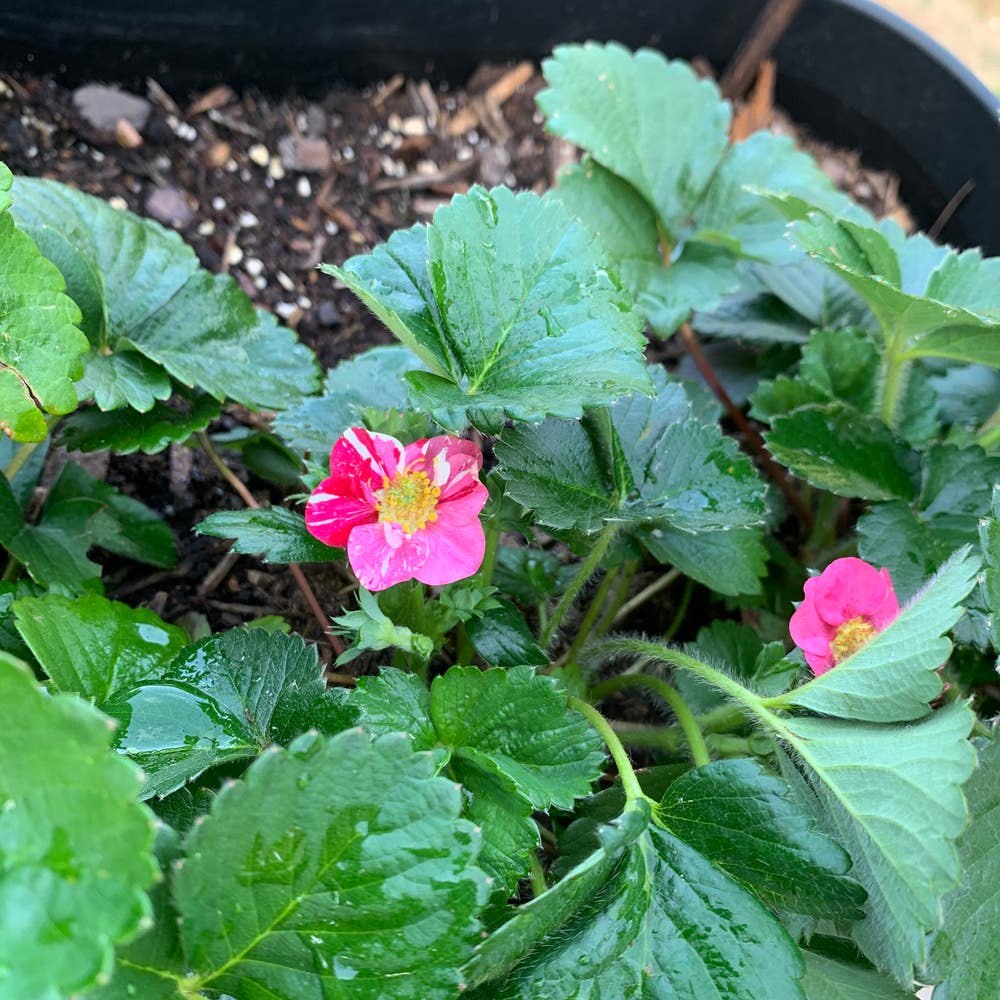
🧑🌾 Potentilla Width: Planning Your Garden
Potentilla brachystemon
By the Greg Editorial Team
Nov 22, 2024•5 min read
This article was created with the help of AI so we can cover more plants for you. May contain errors. See one? Report it here.
Elevate your garden's beauty with Potentilla by mastering their growth and size for stunning results! 🌿
- 🌱 Potentilla varieties grow 1-3 feet tall, perfect for low-maintenance gardens.
- 🌞 Full sun and well-draining soil are essential for optimal Potentilla growth.
- ✂️ Prune and space Potentilla wisely to enhance garden aesthetics and health.
Mature Height and Spread of Common Varieties
Common Varieties Dimensions 🌱
When planning your garden, understanding the dimensions of common Potentilla varieties is essential.
Potentilla fruticosa typically reaches a mature height of 1 to 3 feet and spreads between 2 to 4 feet. This variety is perfect for creating a vibrant, low-maintenance landscape.
On the other hand, Potentilla recta grows slightly taller, with a mature height of 2 to 3 feet and a spread of 2 to 3 feet. Its compact size makes it an excellent choice for smaller gardens or as part of a mixed planting scheme.
Knowing these dimensions helps you visualize how these plants will fit into your garden design. With their manageable sizes, both varieties can enhance your outdoor space without overwhelming it.
As you consider these dimensions, think about how they will interact with other plants in your garden. This knowledge sets the stage for effective planning and ensures a harmonious landscape.
Growth Rate and Time to Reach Full Size
🌱 Growth Rate Factors
Potentilla plants typically exhibit a moderate growth rate, reaching their full size in about 2 to 3 years. This timeframe allows gardeners to plan their landscapes effectively, knowing when to expect these vibrant additions to reach maturity.
Several factors influence the growth rate of Potentilla.
Soil Quality: Healthy, well-draining soil is crucial for optimal growth. Poor soil can hinder development and stunt the plant's size.
Water Availability: Consistent moisture is essential. While Potentilla thrives with regular watering, drought conditions can severely limit growth.
Sunlight Exposure: Adequate sunlight is vital. Potentilla plants flourish in full sun, ideally receiving 6 to 8 hours of direct light daily. Insufficient sunlight can lead to leggy growth and reduced dimensions.
Understanding these growth rate factors will help you create the ideal environment for your Potentilla plants. By addressing soil quality, water needs, and sunlight exposure, you can ensure your garden flourishes beautifully.
Next, we’ll explore how environmental influences can further impact the size of your Potentilla plants.
Environmental Influences on Size
🌱 Impact of Soil Type on Size
The type of soil you choose for your Potentilla can significantly affect its growth. Well-draining, fertile soil is essential for optimal growth, allowing roots to expand and absorb nutrients effectively.
On the flip side, poor soil quality can stunt growth and reduce the mature dimensions of your plants. If the soil lacks nutrients or drainage, you might find your Potentilla struggling to reach its full potential.
☀️ Effects of Sunlight and Shade on Growth Dimensions
Sunlight plays a crucial role in the health and size of your Potentilla. Full sun exposure, which means 6-8 hours of direct sunlight daily, encourages maximum height and spread, resulting in a vibrant, lush plant.
Conversely, if your Potentilla is in partial shade, you may notice reduced size and leggy growth. While some shade can be beneficial, too much can hinder the plant's ability to thrive.
💧 Influence of Water Availability on Size and Growth Rate
Water availability is another key factor influencing the size and growth rate of Potentilla. Consistent moisture supports healthy growth, allowing the plant to flourish and reach its mature dimensions.
However, drought conditions can limit size and overall health. On the other hand, overwatering can lead to root rot, which negatively impacts plant health and stunts growth. Striking the right balance is essential for a thriving garden.
Understanding these environmental influences will help you create the ideal conditions for your Potentilla, ensuring they grow to their full potential. Next, we'll explore size control techniques to help you manage your plants effectively.
Size Control Techniques
Pruning Methods to Manage Size 🌿
Managing the size of Potentilla plants is essential for maintaining a healthy and visually appealing garden. One effective technique is light pruning in early spring, which helps shape the plant and control its size.
Additionally, deadheading spent flowers encourages bushier growth. This simple act not only enhances the plant's appearance but also promotes more blooms throughout the growing season.
Tips for Shaping in Garden Design 🎨
Strategic placement of Potentilla can significantly enhance the perceived size in your landscape. For instance, positioning taller varieties at the back of a border creates a layered effect that draws the eye upward.
Grouping smaller varieties together can also create a fuller appearance. This technique not only maximizes visual impact but also fosters a sense of cohesion in your garden design.
By employing these size control techniques, you can ensure your Potentilla thrives while contributing beautifully to your garden's overall aesthetic. Next, let’s explore practical applications in garden planning, focusing on how to incorporate Potentilla effectively based on its size.
Practical Applications in Garden Planning
Incorporating into Landscape Design Based on Size 🌳
Potentilla plants can be versatile additions to your garden. Their mature dimensions make them ideal for use as border plants or ground covers, providing a vibrant splash of color.
When planning your layout, consider the spacing based on their growth habits. Proper spacing helps avoid overcrowding, ensuring each plant has room to thrive and showcase its beauty.
Companion Planting Considerations 🌼
Choosing the right companions for your Potentilla can enhance your garden's overall aesthetic. For dwarf varieties, consider pairing them with low-growing perennials and annuals that won't overshadow their delicate blooms.
On the other hand, giant Potentilla varieties can benefit from being grouped with taller plants. This creates a visually balanced landscape, allowing each plant to shine without competing for attention.
With these practical applications, you can effectively incorporate Potentilla into your garden design. Next, let’s explore how to manage their size through effective pruning techniques.
⚠️ Safety First
This content is for general information and may contain errors, omissions, or outdated details. It is not medical, veterinary advice, or an endorsement of therapeutic claims.
Always consult a qualified healthcare professional before using any plant as food, medicine, or supplement.
Never eat any plant (or feed one to pets) without confirming its identity with at least two trusted sources.
If you suspect poisoning, call Poison Control (800) 222-1222, the Pet Poison Helpline (800) 213-6680, or your local emergency service immediately.
Spotted an error? Please report it here.
Unlock a vibrant garden 🌿 by mastering Potentilla care with Greg's tailored watering and sunlight reminders, ensuring your plants thrive beautifully!