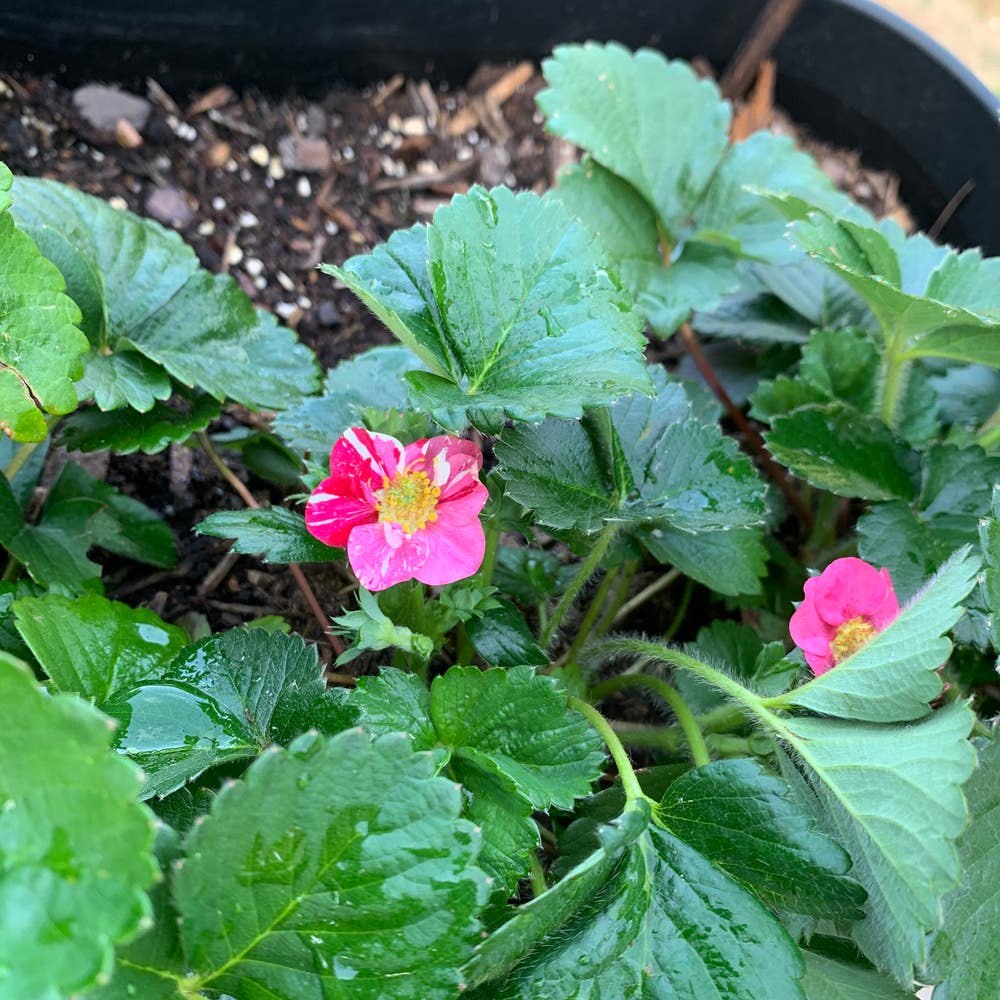
Best Tips for Dealing with Leaves Falling Over on Potentilla 🍂
Potentilla brachystemon
By the Greg Editorial Team
Nov 22, 2024•5 min read
This article was created with the help of AI so we can cover more plants for you. May contain errors. See one? Report it here.
Transform your drooping Potentilla into a thriving beauty 🌿 with these essential care tips and insights!
- 💧 Overwatering and underwatering both cause drooping leaves; balance moisture for Potentilla.
- 🌞 Potentilla needs 6-8 hours of sunlight daily to prevent weak, falling leaves.
- 🌱 Nutrient deficiencies and pests can harm Potentilla; regular care and inspections are essential.
Causes of Leaves Falling Over
Understanding why your Potentilla's leaves are falling over is crucial for effective care. Several factors can contribute to this issue, and recognizing them early can save your plant.
💧 Overwatering Leading to Root Rot
One of the most common culprits is overwatering, which can cause root rot. Symptoms include yellowing leaves and drooping, indicating that the roots are struggling to absorb nutrients and oxygen.
🚰 Underwatering
On the flip side, underwatering can also lead to leaf drop. If you notice wilting leaves, it’s a sign that your Potentilla is thirsty and needs more moisture.
🌪️ Environmental Stress
Environmental stress can wreak havoc on your plants. Sudden temperature changes or extreme weather conditions can cause leaves to droop as the plant struggles to adapt.
🥦 Nutrient Deficiencies
Nutrient deficiencies can significantly impact leaf health. Inadequate fertilization can lead to poor growth and yellowing leaves, signaling that your Potentilla needs a nutrient boost.
By identifying these causes, you can take proactive steps to revive your Potentilla and keep it thriving. Next, we’ll explore how to diagnose the specific problems affecting your plant.
Diagnosing the Problem
🌍 Environmental Factors Affecting Potentilla
Understanding the environmental factors that influence Potentilla is crucial for maintaining its health.
Soil Conditions
Well-drained soil is essential for Potentilla. Aim for a pH level between 6.0 and 7.0 to ensure optimal growth.
Sunlight Requirements
Potentilla thrives with 6 to 8 hours of full sun each day. Insufficient sunlight can lead to weak, drooping leaves.
Temperature Tolerance
While Potentilla is resilient to cold, it can struggle with heat stress. Be mindful of temperature fluctuations that could impact its health.
🐛 Identifying Pests and Diseases
Pests and diseases can significantly affect Potentilla's vitality. Recognizing these threats early can save your plant.
Common Pests Affecting Potentilla
Aphids: These tiny pests can cause yellowing leaves and stunted growth. Look for clusters on new growth.
Spider Mites: These pests create fine webs and cause leaf discoloration. Regularly inspect the undersides of leaves for signs of infestation.
Diseases That Cause Leaf Issues
Root Rot: This serious condition arises from overwatering. Symptoms include wilting and a foul smell from the roots. Prevention is key—ensure proper drainage.
Fungal Infections: Look for spots or mold on leaves. Treatment options include fungicides and improving air circulation around the plant.
By diagnosing these environmental factors and potential threats, you can take proactive steps to keep your Potentilla healthy. Next, we’ll explore effective treatment solutions to revive any wilting plants.
Treatment Solutions
How to Revive Wilting Potentilla 🌱
Reviving a wilting Potentilla starts with assessing soil moisture. Check if the plant is overwatered or underwatered, as both conditions can lead to drooping leaves.
Next, adjust your watering schedule to ensure a consistent routine. This helps maintain the right moisture level for healthy growth.
Finally, prune any damaged leaves. Removing unhealthy foliage encourages new growth and revitalizes the plant.
Recommended Fertilizers and Amendments 🌿
When it comes to fertilizers, Potentilla thrives on balanced NPK ratios. Look for options that provide equal parts nitrogen, phosphorus, and potassium to support overall health.
Timing is crucial for fertilization. Feed your Potentilla during the growing season for the best results, ensuring it has the nutrients needed to flourish.
Pest Control Methods for Potentilla 🐞
For pest control, consider organic options like neem oil and insecticidal soap. These methods are effective and safe for the environment.
Additionally, implement cultural practices to deter pests. Encouraging beneficial insects and maintaining overall plant health can significantly reduce pest problems.
By following these treatment solutions, you can help your Potentilla bounce back and thrive. Next, let’s explore ongoing care and maintenance to keep your plant healthy year-round.
Ongoing Care and Maintenance
🌱 Seasonal Care Tips for Potentilla
Caring for your Potentilla throughout the seasons is essential for its health and vibrancy.
Spring Care
In spring, focus on fertilization and pruning. Apply a balanced fertilizer to kickstart growth and prune any dead or damaged branches to promote new foliage.
Summer Maintenance
During the summer months, keep an eye on watering needs and pest presence. Ensure your Potentilla receives adequate moisture while checking for any signs of pests that could harm its health.
Fall Preparation
As fall approaches, prepare your Potentilla for winter dormancy. This involves cutting back on watering and ensuring the plant is ready to withstand colder temperatures.
✂️ Pruning and Shaping Potentilla
Pruning is a vital part of maintaining a healthy Potentilla.
Best Practices for Pruning
The best time to prune is in early spring before new growth begins. Use clean, sharp tools to make precise cuts, shaping the plant as needed for a fuller appearance.
Benefits of Regular Pruning
Regular pruning encourages bushier growth and more blooms. By removing old or weak branches, you allow the plant to focus its energy on producing vibrant flowers.
👀 Monitoring for Future Issues
Keeping a close watch on your Potentilla can prevent future problems.
Regular Inspections
Conduct regular inspections to identify early signs of stress or pest issues. Look for yellowing leaves or unusual spots that could indicate a problem.
Keeping a Care Journal
Documenting changes in plant health and care adjustments in a journal can be incredibly helpful. This practice allows you to track what works and what doesn’t, ensuring your Potentilla thrives year after year.
By following these ongoing care and maintenance tips, you can ensure your Potentilla remains healthy and beautiful through every season. Next, let’s explore how to effectively treat any issues that may arise with your plant.
⚠️ Safety First
This content is for general information and may contain errors, omissions, or outdated details. It is not medical, veterinary advice, or an endorsement of therapeutic claims.
Always consult a qualified healthcare professional before using any plant as food, medicine, or supplement.
Never eat any plant (or feed one to pets) without confirming its identity with at least two trusted sources.
If you suspect poisoning, call Poison Control (800) 222-1222, the Pet Poison Helpline (800) 213-6680, or your local emergency service immediately.
Spotted an error? Please report it here.
Keep your Potentilla perky and vibrant 🌼 by using Greg's tailored watering reminders and care tips to prevent drooping leaves and ensure optimal growth!