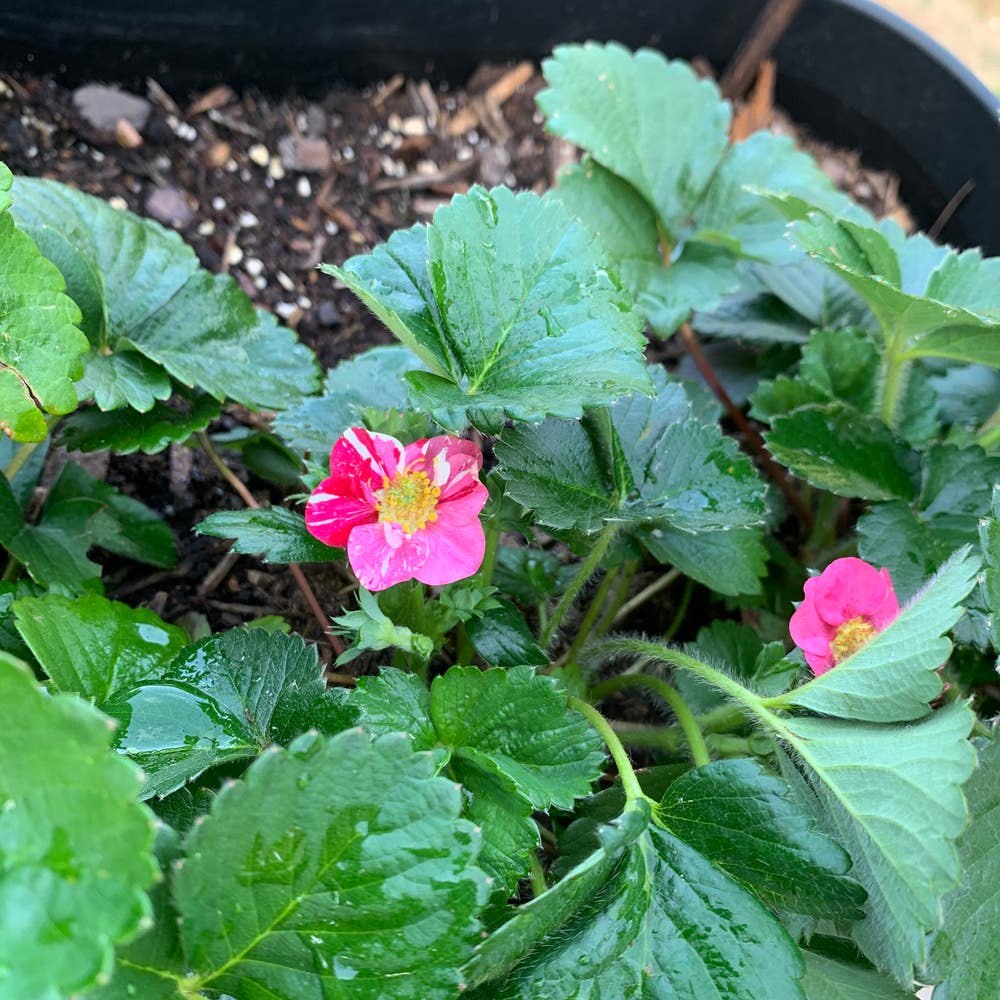
Potentilla: Not an Annual
Potentilla brachystemon
By the Greg Editorial Team
Nov 22, 2024•6 min read
This article was created with the help of AI so we can cover more plants for you. May contain errors. See one? Report it here.
Unlock the secret to a vibrant garden with resilient Potentilla, the perennial that thrives in any condition! 🌼
- 🌼 Potentilla is a perennial, thriving year after year with over 500 species.
- 🌱 Robust roots and drought tolerance make Potentilla ideal for low-maintenance gardens.
- 🐝 Blooms support pollinators from late spring to early fall, enhancing garden health.
Potentilla as a Perennial
🌱 Genetic Characteristics
Potentilla boasts a remarkable diversity, with over 500 species worldwide. This genetic variety contributes to its adaptability and resilience, making it a standout perennial.
The traits that support perennial growth include robust structures and the ability to thrive in various environments. These plants often develop fibrous roots that enhance their survival and nutrient uptake, allowing them to flourish even in challenging conditions.
🌿 Physiological Traits Supporting Perennial Growth
Potentilla has adapted its photosynthesis process to maximize energy capture across multiple seasons. This adaptation is crucial for sustaining growth and flowering year after year.
Additionally, these plants have developed mechanisms to survive adverse conditions, such as harsh winters. Their ability to withstand drought and poor soil conditions further solidifies their status as resilient perennials.
⏳ Long-Term Lifecycle
The lifecycle of Potentilla includes distinct stages: germination, vegetative growth, flowering, and dormancy. Each phase is essential for the plant's overall health and longevity.
Typically, Potentilla species can live for several years, showcasing a seasonal growth pattern that varies throughout the year. This cyclical nature allows them to adapt and thrive in diverse climates and conditions.
As we explore the growth and reproductive strategies of Potentilla, we'll uncover how these traits contribute to their success in gardens and natural landscapes.
Growth and Reproductive Strategies
🌱 Growth Patterns Compared to Annuals
Potentilla exhibits a slower, sustained growth compared to the rapid life cycle of annuals. This perennial nature allows it to establish a robust root system, which supports its longevity and resilience in various environments.
Different forms of Potentilla, such as ground covers and shrubs, showcase distinct growth habits. Ground covers spread horizontally, creating a lush carpet of foliage, while shrubs grow upright, providing structure and height to garden designs.
🌼 Flowering Cycles and Seed Production
Potentilla blooms from late spring to early fall, offering a vibrant display of flowers throughout the growing season. This extended blooming period not only enhances garden aesthetics but also supports local pollinators.
The timing of seed dispersal is crucial for Potentilla's reproductive success. Seeds are typically released after flowering, ensuring they have the best chance of germination when conditions are favorable.
🌿 Unique Reproductive Strategies
One of Potentilla's standout features is its ability to reproduce asexually through rhizomes and runners. This strategy allows the plant to spread efficiently, creating new plants that thrive in the same environment.
Attracting pollinators is another key aspect of Potentilla's reproductive strategy. By producing abundant flowers, it ensures a steady supply of seeds, which have impressive longevity and germination rates, further contributing to its success as a perennial.
As we explore the misconceptions and exceptions surrounding Potentilla, it's essential to understand how these growth and reproductive strategies play a vital role in its classification and care.
Misconceptions and Exceptions
🕵️♂️ Situations of Misidentification
Misidentifying Potentilla can often occur due to its seasonal dieback. During the colder months, these perennials may appear lifeless, leading some gardeners to mistakenly believe they have died.
This confusion can be exacerbated by environmental factors, such as extreme weather or poor soil conditions, which may cause Potentilla to retreat into dormancy earlier than expected. Understanding its natural lifecycle is crucial to avoid premature conclusions about its health.
🌍 Regional Variations Affecting Classification
Climate plays a significant role in the growth and classification of Potentilla species. In regions with harsher winters or prolonged droughts, these plants may exhibit different growth patterns, making them seem more like annuals.
Mismanagement, such as improper watering or fertilization, can also lead to behaviors that mimic annuals. Additionally, variations among Potentilla species can result in distinct adaptations, further complicating their classification across different environments.
As you explore the world of Potentilla, keep these misconceptions in mind. Recognizing the nuances of their growth can enhance your gardening experience and ensure these resilient perennials thrive in your landscape.
Garden Design and Planting Strategies
Advantages in Garden Design 🌼
Potentilla brings a delightful variety of flower colors and forms to any garden. From vibrant yellows to soft pinks, these perennials can brighten up your landscape and provide visual interest throughout the growing season.
Their drought tolerance and resilience in poor soils make them ideal for low-maintenance gardens. This adaptability means you can enjoy a flourishing garden even in challenging conditions.
Additionally, Potentilla attracts pollinators, supporting local ecosystems. By planting these beauties, you contribute to the health of your garden and the environment.
Planning for Perennial Growth 🌱
When planning your garden, consider spacing and placement for optimal growth. Potentilla thrives when given enough room to spread, so ensure you space them appropriately to avoid overcrowding.
Incorporating Potentilla into your landscape can provide year-round visual appeal. Their seasonal changes add dynamic beauty, making your garden a constantly evolving masterpiece.
Creating diverse plant communities with other perennials enhances the overall health of your garden. Mixing Potentilla with complementary plants can lead to a vibrant, resilient ecosystem that flourishes together.
As you design your garden, think about how Potentilla can fit into your vision. With their stunning colors and hardy nature, they are a fantastic choice for any garden enthusiast looking to create a lasting impact.
Maximizing Longevity and Care
🌱 Tips for Managing Potentilla
To ensure your Potentilla thrives, establish a consistent watering schedule. Regular moisture is crucial, especially during dry spells, but avoid overwatering as this can lead to root rot.
Nutrient needs vary, so apply a balanced fertilizer in early spring. This timing supports optimal growth and flowering, helping your plants reach their full potential.
Maintaining the shape and health of your Potentilla is essential. Prune back any dead or damaged stems to encourage new growth and improve air circulation.
🌿 Best Practices for Thriving Long-Term
Well-draining soil is vital for Potentilla's success. This prevents water from pooling around the roots, which can lead to disease.
Incorporating organic matter can enhance moisture retention and suppress weeds. This not only benefits your Potentilla but also creates a healthier garden environment.
Adjust your care practices based on seasonal changes. In winter, reduce watering and allow the plant to enter dormancy, while in spring, ramp up care as growth resumes.
🐛 Common Challenges and Solutions
Identifying and managing common pests is key to a healthy Potentilla. Regularly inspect your plants for signs of aphids or spider mites, and treat them promptly with insecticidal soap if needed.
Recognizing signs of disease, such as yellowing leaves or wilting, can help you act quickly. Implementing proper spacing and airflow can prevent many issues before they start.
Adapting care for extreme weather conditions is crucial. During heatwaves, increase watering frequency, and in colder months, provide mulch to protect the roots from freezing temperatures.
With these strategies, your Potentilla can flourish, bringing beauty and resilience to your garden. Next, let’s explore the unique growth and reproductive strategies that make Potentilla stand out among perennials.
⚠️ Safety First
This content is for general information and may contain errors, omissions, or outdated details. It is not medical, veterinary advice, or an endorsement of therapeutic claims.
Always consult a qualified healthcare professional before using any plant as food, medicine, or supplement.
Never eat any plant (or feed one to pets) without confirming its identity with at least two trusted sources.
If you suspect poisoning, call Poison Control (800) 222-1222, the Pet Poison Helpline (800) 213-6680, or your local emergency service immediately.
Spotted an error? Please report it here.
Unlock the full potential of your Potentilla 🌼 with Greg's tailored watering alerts and expert care tips, ensuring it thrives beautifully in your garden for years to come!