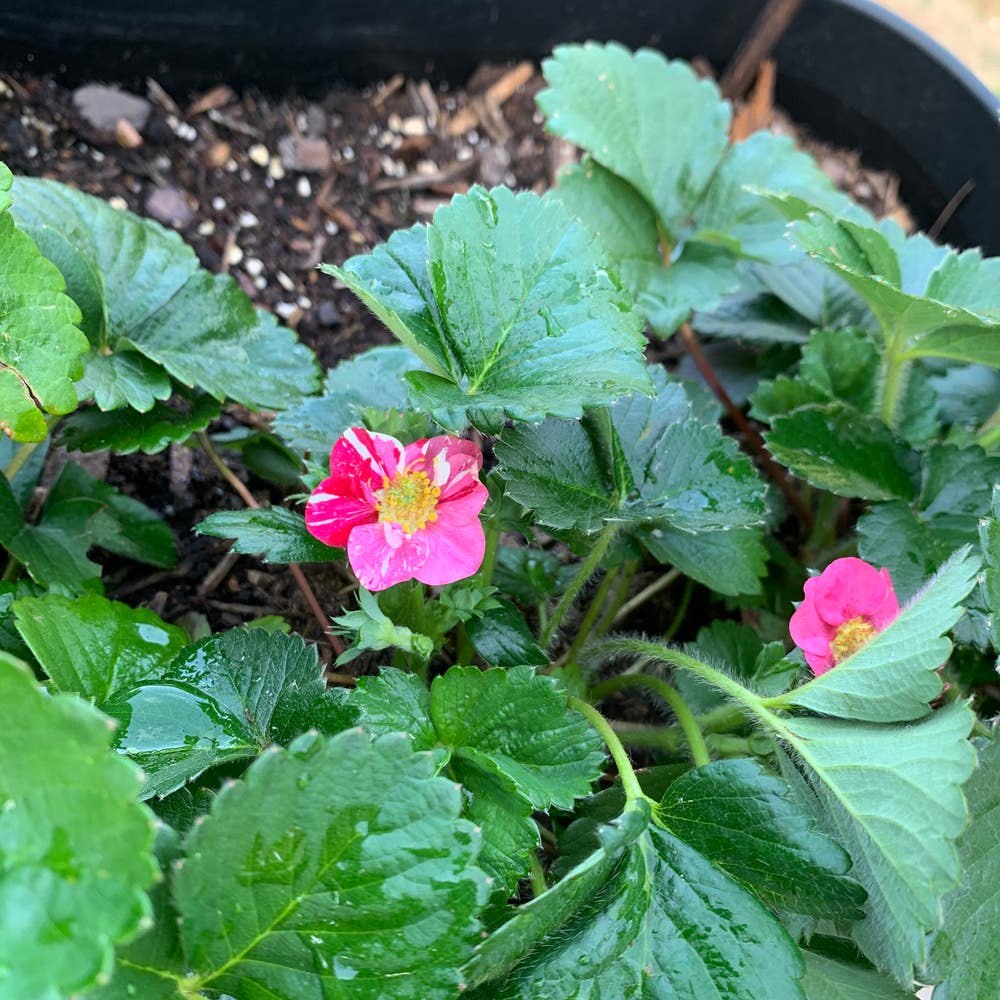
When to Water Your Potentilla 💧
Potentilla brachystemon
By the Greg Editorial Team
Nov 22, 2024•5 min read
This article was created with the help of AI so we can cover more plants for you. May contain errors. See one? Report it here.
Unlock the secret to a thriving potentilla 🌿 with expert watering tips that keep your plant vibrant year-round! 💧
- 💧 Water potentilla every 1-2 weeks, adjusting for climate and soil type.
- 🌞 Hot, dry climates need more frequent watering; humid areas require less.
- 🌱 Check soil moisture regularly to prevent over or under-watering issues.
How Often to Water
General Watering Frequency 🌧️
Water your potentilla every 1-2 weeks during the growing season. This schedule may need adjustments based on your local climate.
In hot, dry conditions, increase your watering frequency. Conversely, in cooler, humid climates, you can water less often.
Factors Affecting Watering Frequency 🌍
Climate Considerations ☀️
The climate plays a crucial role in determining how often you should water. Hot, dry climates demand more frequent watering to keep your plants healthy.
In contrast, humid climates may require less frequent watering, as the moisture in the air can help sustain your plants.
Soil Type 🏺
Soil type significantly impacts watering needs. Sandy soils drain quickly, necessitating more frequent watering to prevent dryness.
On the other hand, clay soils retain moisture longer, allowing for less frequent watering sessions.
Pot Size 🪴
The size of your pot also matters. Smaller pots dry out faster than larger ones, so you’ll need to check them more often.
Larger pots can hold more moisture, which means they require less frequent watering.
Recognizing Watering Issues 🔍
Signs of Over-Watering 🚫
Keep an eye out for signs of over-watering. Yellowing leaves often indicate stress from excess moisture.
If your plant is wilting despite wet soil, it could mean the roots are waterlogged. Additionally, root rot can occur, characterized by a foul smell and mushy roots.
Signs of Under-Watering 💧
Under-watering presents its own set of issues. Wilting leaves that droop and lose turgor are a clear sign your plant needs water.
You may also notice dry, crumbly soil that pulls away from the pot edges, or even premature leaf drop due to insufficient moisture.
Common Mistakes ❌
Avoid common watering mistakes to keep your potentilla thriving. Watering on a fixed schedule without considering environmental factors can lead to problems.
Always check soil moisture levels before watering. Ignoring drainage needs can also result in waterlogged conditions, harming your plant.
By understanding these watering guidelines, you can ensure your potentilla remains healthy and vibrant. Next, let’s explore effective watering techniques to optimize your plant care routine.
Watering Techniques
🌊 Bottom-Watering Method
The bottom-watering method is a fantastic way to ensure your potentilla gets the moisture it needs directly at the roots. This technique allows the soil to absorb water from the bottom up, promoting healthier root growth.
Steps for Bottom-Watering
- Place the pot in a basin of water. Ensure the water level is high enough to reach the bottom of the pot.
- Allow the soil to soak up water for 30 minutes. This gives the roots ample time to absorb moisture.
- Remove the pot and let excess water drain. This prevents waterlogging and keeps the soil at an ideal moisture level.
💧 Using Self-Watering Pots
Self-watering pots are a game-changer for busy plant parents. They provide consistent moisture levels, reducing the risk of over-watering, which can be detrimental to your potentilla.
Benefits of Self-Watering Pots
- Consistent moisture: These pots maintain a steady supply of water, ensuring your plant stays hydrated.
- Reduced maintenance: You won’t have to worry as much about daily watering.
Considerations for Self-Watering Pots
While self-watering pots are convenient, it's crucial to ensure they have adequate drainage. Without proper drainage, you risk creating waterlogged conditions that can harm your plant's roots.
By mastering these watering techniques, you can keep your potentilla thriving and vibrant. Next, let’s explore how to measure soil moisture effectively to ensure your plant gets just the right amount of water.
Measuring Soil Moisture
🌡️ How to Measure Soil Moisture
Knowing when to water your potentilla starts with understanding soil moisture. There are a couple of simple techniques to check if your plant needs a drink.
- Finger Test: Insert your finger into the soil up to the second knuckle. If it feels dry, it’s time to water.
- Moisture Meter: For a more precise reading, use a moisture meter. Just insert it into the soil, and it will give you a clear indication of moisture levels.
💧 Ideal Moisture Levels
Maintaining the right moisture level is crucial for your plant's health. The optimal range is to keep the soil slightly moist but never soggy.
- Signs of Ideal Moisture: The soil should feel cool to the touch without any pooling water on the surface. This indicates that your potentilla is getting the hydration it needs without the risk of overwatering.
By regularly checking soil moisture, you can ensure your potentilla thrives. Next, let’s explore effective watering techniques to keep your plant happy and healthy.
Watering Reminders and Scheduling
🌱 Using the Greg Plant Care App
The Greg Plant Care App is a game-changer for plant enthusiasts. This AI-powered tool sends you reminders tailored to your specific plants, ensuring you never miss a watering session.
⏰ Setting Reminders
You can easily adjust the frequency of reminders based on seasonal changes and your local climate. Notifications will alert you when it's time to check soil moisture and water your plants if needed.
📅 Creating a Personalized Watering Schedule
When creating your watering schedule, consider factors like climate, pot size, and soil type. For example, you might set up weekly checks during the growing season and switch to bi-weekly in the fall and winter.
By using these strategies, you can keep your potentilla thriving and vibrant throughout the year. With the right reminders and a personalized schedule, you'll be well-equipped to meet your plant's needs.
⚠️ Safety First
This content is for general information and may contain errors, omissions, or outdated details. It is not medical, veterinary advice, or an endorsement of therapeutic claims.
Always consult a qualified healthcare professional before using any plant as food, medicine, or supplement.
Never eat any plant (or feed one to pets) without confirming its identity with at least two trusted sources.
If you suspect poisoning, call Poison Control (800) 222-1222, the Pet Poison Helpline (800) 213-6680, or your local emergency service immediately.
Spotted an error? Please report it here.
Keep your potentilla thriving 🌱 by using Greg for personalized watering reminders that adapt to your climate, pot size, and soil type!