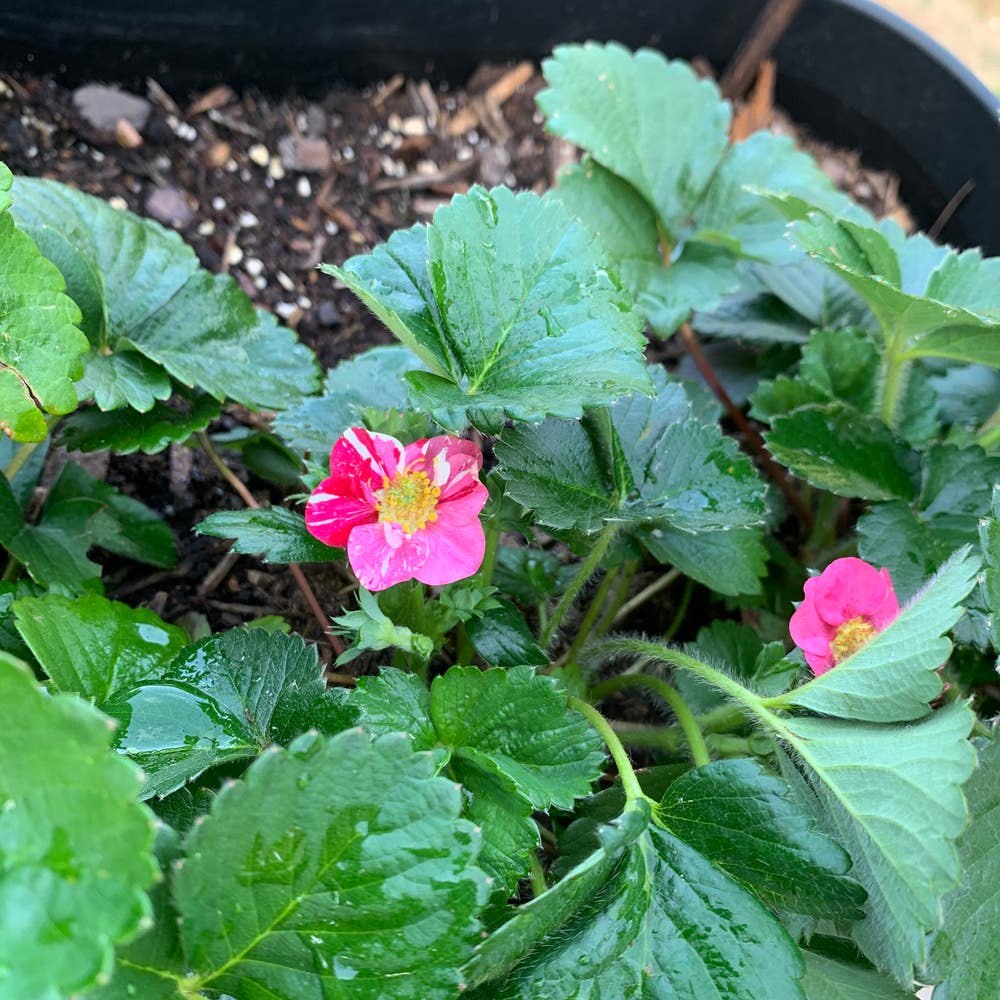
When and Where to Prune Your Potentilla ✂️
Potentilla brachystemon
By the Greg Editorial Team
Nov 22, 2024•5 min read
This article was created with the help of AI so we can cover more plants for you. May contain errors. See one? Report it here.
Unlock vibrant blooms 🌼 and robust growth for your potentilla with these essential pruning tips!
- 🌼 Prune potentilla in late winter to early spring for best blooms and growth.
- ✂️ Remove dead or damaged branches to enhance plant vitality and airflow.
- 🌱 Avoid over-pruning; it weakens the plant and reduces flowering potential.
When to Prune
Best Seasons for Pruning 🌱
Pruning your potentilla at the right time can make all the difference in its health and flowering potential.
Spring Pruning
The ideal time for spring pruning is late winter to early spring, just before new growth begins. This timing encourages robust flowering and promotes healthy growth, setting your plant up for a vibrant season.
Fall Pruning
Fall pruning should occur after flowering has finished, typically in late fall. This practice prepares the plant for winter and helps remove any dead or damaged wood, ensuring a strong start come spring.
Signs that Pruning is Needed ✂️
Recognizing when your potentilla needs a trim is crucial for maintaining its beauty and health.
Overgrown Appearance
If your plant has a dense, overgrown look with little airflow, it’s time to prune. This not only enhances its appearance but also prevents potential disease.
Dead or Damaged Branches
Look for dead or damaged branches, which may indicate disease or winter damage. Removing these branches can help your plant thrive.
Reduced Flowering
If you notice fewer blooms than in previous seasons, it’s a clear sign that pruning is necessary. Regular pruning can rejuvenate your plant and encourage more vibrant flowering.
By understanding when and how to prune your potentilla, you can ensure it remains healthy and beautiful throughout the seasons. Next, let’s explore where to prune for optimal results.
Where to Prune
🌿 Identifying the Right Branches to Prune
When pruning your potentilla, focus on three key areas. First, remove any dead or diseased branches at the base to promote overall plant health.
Next, look for overlapping branches. Thinning these out improves airflow, which is crucial for preventing disease. Lastly, address leggy growth by cutting back to encourage a bushier and more compact shape.
✂️ Techniques for Cutting
The technique you use while pruning can make a significant difference. Always cut at a 45-degree angle; this helps prevent water accumulation on the cut surfaces, reducing the risk of rot.
Choosing the right tools is equally important. Use pruning shears for small branches and loppers for thicker ones. Remember, sharp and clean tools are essential to prevent disease transmission and ensure a smooth cut.
With these techniques in mind, you’re well on your way to maintaining a healthy and vibrant potentilla. Next, let’s explore the rationale behind deadheading and how it can enhance your plant's blooming potential.
Deadheading
🏵️ Rationale for Deadheading
Deadheading is essential for keeping your potentilla vibrant and blooming. By removing spent flowers, you encourage additional flowering, as the plant won't waste energy on seed formation.
Preventing seed formation also helps maintain the desired shape of your plant. This practice reduces self-seeding, which can lead to overcrowding and a less attractive appearance.
✂️ Step-by-Step Instructions for Effective Deadheading
Follow these simple steps for effective deadheading:
- Identify spent flowers: Look for wilted or brown blooms that detract from your plant's beauty.
- Use clean pruning shears: Always sanitize your tools to prevent disease transmission.
- Cut back to the nearest leaf node: This encourages new growth and keeps your plant looking fresh.
- Frequency: Aim to deadhead every few weeks during the blooming season for optimal results.
With these straightforward steps, you can keep your potentilla thriving and full of life. Now that you know how to deadhead effectively, let’s explore some common pruning mistakes to avoid.
Common Pruning Mistakes
✂️ Over-Pruning and Its Effects
Over-pruning can be a gardener's worst enemy. It weakens the plant, reducing its flowering potential and can even lead to stunted growth or, in severe cases, plant death.
⏰ Timing Errors and Their Consequences
Timing is everything when it comes to pruning. Pruning too late in the season risks cutting off new growth, which can significantly reduce flowering.
Pruning during dormancy is another common mistake. This can remove necessary wood that the plant needs for the next season's blooms, leaving you with fewer flowers when spring arrives.
Understanding these pitfalls can help you maintain a healthy and vibrant potentilla. With the right timing and approach, your plants will thrive and reward you with beautiful blooms.
Post-Pruning Care
How to Care After Pruning 🌱
After pruning your potentilla, proper care is essential for its recovery and growth.
Watering
Ensure your plant receives consistent moisture, particularly during dry spells. This helps the roots establish and supports new growth.
Fertilization
Applying a balanced fertilizer can significantly boost your plant's recovery. It provides the necessary nutrients to encourage robust new growth.
Monitoring Plant Health Post-Pruning 🔍
Regular inspections of your potentilla will help you catch any issues early.
Regular Inspections
Look for signs of stress or disease, such as wilting leaves or discoloration. Early detection is key to maintaining plant health.
Adjust Care as Needed
Be prepared to modify your watering and fertilization based on how your plant responds. Each plant is unique, and adjustments may be necessary to ensure optimal growth.
By following these post-pruning care tips, you’ll set your potentilla up for a thriving season ahead. Next, let’s explore some common pruning mistakes to avoid for the best results.
⚠️ Safety First
This content is for general information and may contain errors, omissions, or outdated details. It is not medical, veterinary advice, or an endorsement of therapeutic claims.
Always consult a qualified healthcare professional before using any plant as food, medicine, or supplement.
Never eat any plant (or feed one to pets) without confirming its identity with at least two trusted sources.
If you suspect poisoning, call Poison Control (800) 222-1222, the Pet Poison Helpline (800) 213-6680, or your local emergency service immediately.
Spotted an error? Please report it here.
Prune your potentilla for a blooming success 🌼 this season, and let Greg guide you with tailored reminders to keep your plant thriving!