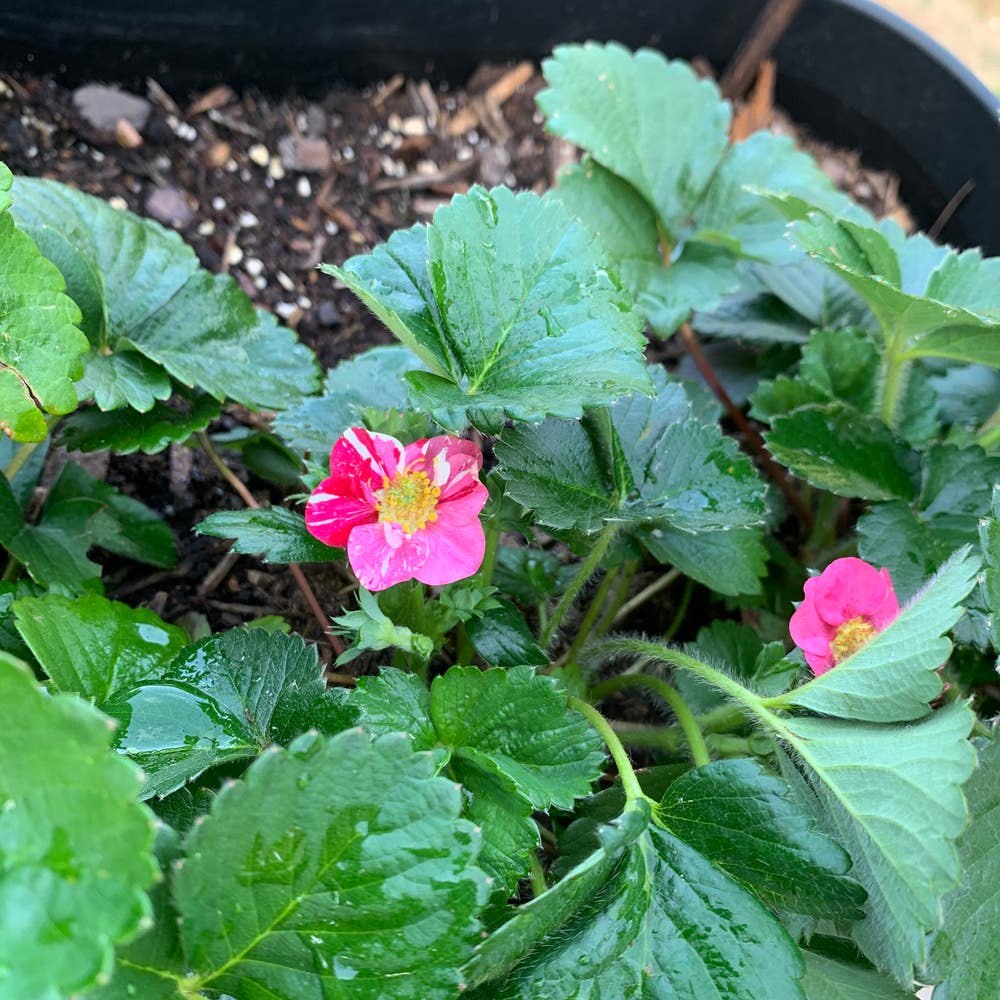
🌼 Introduction to Potentilla nitida
Potentilla nitida
By the Greg Editorial Team
Jan 10, 2025•12 min read
This article was created with the help of AI so we can cover more plants for you. May contain errors. See one? Report it here.
- 🌞 Potentilla nitida needs 6-8 hours of sunlight daily for optimal growth.
- 🌱 Ideal soil is well-drained sandy loam with a pH of 6.0 to 7.0.
- 🐾 Safe for pets and humans, Potentilla nitida enhances garden beauty and ecology.
How to Grow
Choosing a Location 🌞
To thrive, Potentilla nitida needs full sun exposure, ideally receiving 6-8 hours of sunlight daily. Additionally, well-drained soil is crucial for maintaining root health, preventing waterlogging that can lead to root rot.
Soil Preparation 🏜️
For optimal growth, aim for a light, sandy loam soil type. The ideal soil pH ranges from slightly acidic to neutral, between 6.0 and 7.0, ensuring the plant can absorb nutrients effectively.
Planting Techniques 🌱
When planting, ensure the depth is between 1-2 inches. Space your plants 12-18 inches apart to allow for healthy growth and air circulation.
Watering Requirements 🚰
Regular watering is essential until the plants are established, after which moderate watering suffices. Watch for signs of overwatering, such as yellowing leaves, or underwatering, indicated by wilting.
Fertilizing Guidelines 🍽️
A light feeding in early spring helps kickstart growth. Use a balanced NPK fertilizer or organic options to provide essential nutrients without overwhelming the plant.
Pruning Methods ✂️
Pruning should be done in late winter or early spring. Techniques like deadheading and shaping will encourage bushier growth and more vibrant blooms.
Ongoing Care Tips 🌿
Mulching is beneficial for moisture retention and weed suppression, creating a healthier environment for your plants. Regularly monitor for pests and diseases to catch any issues early.
Outdoor vs. Container Growing 🏡
If growing in containers, ensure they are appropriately sized with good drainage. For outdoor planting, choose a location that maximizes sunlight and provides adequate space for growth.
With these guidelines, you'll set the stage for a flourishing Potentilla nitida garden. Next, let’s explore how to propagate this resilient plant effectively.
Propagation
🌱 Seed Propagation
To propagate Potentilla nitida from seeds, start with stratification. This process mimics natural conditions, enhancing germination rates.
Sow the seeds at a depth of about 1/4 inch in well-draining soil. This depth ensures they receive adequate moisture while still being protected.
✂️ Cutting Propagation
Cutting propagation is another effective method. Select healthy cuttings that are 4-6 inches long from the parent plant.
Use a well-draining rooting medium, such as a mix of perlite and peat. This combination promotes healthy root development.
🌿 Division Propagation
Division is best done in early spring or fall. This method involves carefully separating clumps of the plant to encourage new growth.
When dividing, ensure each section has roots and healthy foliage. Replant them promptly to minimize stress and promote successful establishment.
With these propagation techniques, you can easily expand your Potentilla nitida collection or share with fellow gardening enthusiasts. Next, let’s explore the lifecycle of this resilient perennial.
Lifecycle
🌱 Lifecycle Stages
Potentilla nitida is a perennial plant, meaning it lives for multiple years and goes through distinct growth phases. Each stage contributes to its overall health and beauty, making it a fascinating addition to any garden.
🌱 Germination Process
Under optimal conditions, the germination process takes about 2-3 weeks. This is the crucial first step in bringing new life to your garden.
🌱 Seedling Stage
Once germinated, the seedlings emerge with small, tender leaves. These delicate beginnings are vital for establishing a strong foundation.
🌱 Vegetative Growth
During the vegetative growth phase, Potentilla nitida develops low-growing, dense mats. This growth habit not only enhances its aesthetic appeal but also helps with soil stabilization.
🌼 Flowering Phase
The flowering phase occurs from late spring to early summer, showcasing bright yellow blooms. These flowers not only beautify the landscape but also attract pollinators.
🌱 Seed Production
After flowering, the plant produces seed heads, marking the transition to seed production. This stage is essential for the continuation of the species.
⏳ Growth Timeline and Speed
Potentilla nitida typically reaches maturity in approximately 2-3 years. Its moderate growth rate can vary seasonally, influenced by environmental conditions.
This lifecycle overview highlights the resilience and adaptability of Potentilla nitida, making it a rewarding choice for gardeners. As we explore its size in the next section, you'll see how these growth stages contribute to its overall dimensions.
Size
Mature Height and Spread 🌱
Potentilla nitida typically reaches an average height of 6 to 12 inches, making it a compact choice for gardens. Its spread ranges from 12 to 24 inches, allowing it to create a lovely ground cover.
Growth Rate 📈
This perennial exhibits a moderate growth rate, which can vary based on environmental conditions. Factors such as sunlight, soil quality, and water availability play a significant role in how quickly it flourishes.
Size Variability Based on Conditions ⚖️
The size of Potentilla nitida can fluctuate depending on several key factors. Optimal soil quality, adequate sunlight, and consistent watering will encourage robust growth, while neglect in any of these areas may stunt its development.
Understanding these size characteristics can help you plan your garden layout effectively. With the right care, this plant can thrive and add beauty to your outdoor space.
Roots
Root System Characteristics 🌱
Potentilla nitida features a fibrous root system that is essential for its stability and nutrient uptake. These roots are shallow and spread out, allowing the plant to efficiently absorb moisture and nutrients from the top layers of soil.
Common Root-Related Issues 🚫
One of the most common problems is root rot, which occurs when the roots sit in waterlogged soil. Signs of root rot include a foul smell and dark, mushy roots; to prevent this, ensure proper drainage and avoid overwatering.
Identifying healthy roots is crucial for the plant's health. Healthy roots are typically firm and white or light tan, while unhealthy roots may appear brown and feel soft.
Recognizing Rootbound Plants 🪴
A rootbound plant has roots that circle the pot, indicating that it has outgrown its container. This can stunt growth and lead to other health issues.
To remedy rootbound conditions, consider repotting the plant into a larger container or performing root pruning. This encourages new growth and revitalizes the plant's health.
With proper attention to the root system, Potentilla nitida can thrive and contribute to your garden's beauty. Next, let’s explore the various benefits this plant offers.
Benefits
Aesthetic Appeal 🌼
Potentilla nitida boasts bright yellow flowers that add a splash of color to any garden. Their vibrant blooms create a cheerful atmosphere, making them a favorite among gardeners looking to enhance visual interest.
Erosion Control 🌍
The plant's robust root system plays a crucial role in stabilizing soil, especially in sloped areas. This natural erosion control helps prevent soil loss and maintains the integrity of your landscape.
Attracting Pollinators 🐝
These lovely flowers are not just a treat for the eyes; they also attract essential pollinators like bees and butterflies. By planting Potentilla nitida, you contribute to a thriving ecosystem in your garden.
Cultural Significance 📜
Historically, Potentilla nitida has been used in traditional medicine. Its cultural significance adds depth to its appeal, connecting gardeners to the rich history of plant use.
Medicinal Uses 💊
Beyond its beauty, Potentilla nitida may offer potential health benefits, particularly its anti-inflammatory properties. This aspect makes it not only a decorative choice but also a plant with possible wellness advantages.
As you consider adding Potentilla nitida to your garden, remember its multifaceted benefits. From enhancing aesthetics to supporting local wildlife and offering medicinal potential, this plant is a valuable addition to any green space. Next, let's explore companion plants that thrive alongside Potentilla nitida.
Companion Plants
🌱 Concept of Companion Planting
Companion planting is all about creating a harmonious garden ecosystem. By pairing plants wisely, you can enhance growth and manage pests more effectively.
🌼 Best Companion Plants
For Potentilla nitida, consider companions like sedums and alpine asters. These drought-tolerant plants thrive alongside it, sharing similar needs and helping to create a vibrant garden space.
🚫 Plants to Avoid
Be cautious with plants that have high water requirements or aggressive growth habits. These can compete for resources and hinder the health of your Potentilla nitida.
Incorporating the right companions can elevate your gardening experience. With thoughtful pairings, you’ll not only boost the health of your plants but also create a visually stunning landscape.
Toxicity to Humans
Potentilla nitida is not listed as toxic by major poison control centers, making it a safe choice for gardens and landscapes. However, it's wise to be cautious, as some individuals may experience mild skin irritation or digestive discomfort if they consume the plant in excessive amounts.
Monitoring for unusual symptoms after contact or ingestion is essential. While serious reactions are rare, being aware of how your body responds can help ensure a positive experience with this beautiful plant.
Toxicity to Dogs
Potentilla nitida is not considered toxic according to veterinary organizations. This means you can enjoy its beauty without worrying about your furry friends getting sick.
However, it's worth noting that large quantities of the plant could lead to mild gastrointestinal upset in dogs. To keep your pet safe, monitor their behavior around the plant and ensure they don’t munch on it excessively.
🐶 Tips for Introducing to Homes with Dogs
Proper Placement: Position the plant in an area that’s less accessible to your dog. This can help minimize any temptation to nibble.
Monitoring Behavior: Keep an eye on your dog’s interaction with the plant, especially during the initial introduction. If they show interest, redirect their attention to a toy or treat.
By taking these simple precautions, you can create a harmonious environment where both your plants and pets thrive. Now, let’s explore how Potentilla nitida interacts with our feline friends.
Toxicity to Cats
Potentilla nitida is not toxic according to major pet poison control centers. This means you can enjoy its beauty without worrying about your feline friends.
However, it's worth noting that excessive consumption might lead to mild gastrointestinal upset. Keep an eye on your cat if they nibble on the leaves.
🐾 Tips for Introducing to Homes with Cats
When bringing Potentilla nitida into a home with cats, consider proper placement. Position the plant in areas that are less accessible to curious paws.
Monitoring your cat's behavior around the plant is also essential. This way, you can ensure they don’t overindulge or show any signs of discomfort.
In summary, Potentilla nitida is a safe choice for cat owners. With a little care, you can enjoy this lovely plant while keeping your furry companions happy and healthy.
Next, let’s explore the common problems that might arise when growing this resilient plant.
Problems
Common Problems Faced 🌱
Growing Potentilla nitida can be rewarding, but it's not without its challenges. Two of the most common issues are incorrect watering and inadequate light conditions.
Incorrect Watering
Overwatering can lead to root rot, while underwatering may cause the plant to wilt. Look for signs like yellowing leaves or soggy soil to determine if you're giving too much water, or dry, crispy leaves if you're not giving enough.
Incorrect Light Conditions
Potentilla nitida thrives in full sun, so insufficient light can stunt its growth. If your plant appears leggy or has fewer blooms, it might be time to relocate it to a sunnier spot.
Identifying Unhealthy Plants 🔍
Recognizing unhealthy plants early can save you a lot of trouble. Key visual cues include yellowing leaves, wilting, and stunted growth.
Yellowing Leaves
This often indicates nutrient deficiencies or overwatering. Pay attention to the overall plant health to catch issues early.
Wilting
Wilting can signal both underwatering and overwatering, so check the soil moisture before making adjustments.
Solutions for Common Issues 🛠️
Addressing these problems promptly can restore your plant's health. Here are some quick fixes for the most common issues:
Watering Issues
- Overwatering: Allow the soil to dry out and improve drainage.
- Underwatering: Increase watering frequency, ensuring the soil remains consistently moist.
Light Conditions
- If your plant is not getting enough light, move it to a location with at least 6-8 hours of direct sunlight daily.
By keeping an eye on these signs and solutions, you can maintain a healthy and vibrant Potentilla nitida. With a little care, your plant will flourish, leading to beautiful blooms and a thriving garden.
Bugs
🛡️ Pest Resistance
Potentilla nitida is generally resilient to pests, making it a robust choice for gardeners. Its natural hardiness helps it withstand many common threats, allowing it to thrive with minimal intervention.
🐜 Common Pests
Despite its resilience, some pests can still pose a threat. Watch out for:
- Spider Mites: These tiny pests can cause stippling on leaves, leading to a faded appearance.
- Aphids: Small and often green, aphids suck sap from the plant, resulting in curled leaves and stunted growth.
- Whiteflies: These insects leave a sticky residue and can cause yellowing of leaves.
Identifying these pests early can help prevent significant damage.
🧪 Treatment Options
When it comes to managing pests, you have several effective options.
- Organic Methods: Introduce beneficial insects like ladybugs or use insecticidal soap to target pests without harming the plant.
- Chemical Solutions: If the infestation is severe, consider using a targeted pesticide, but always follow label instructions to minimize harm to beneficial insects.
Regular monitoring and prompt action are key to keeping your Potentilla nitida healthy and thriving. With the right care, you can enjoy its beauty without the worry of pest damage.
What Eats
Common Animals 🦌
Potentilla nitida can attract a variety of hungry critters. Common visitors include deer, rabbits, squirrels, and rodents, all of which may find your plant a tasty treat.
Signs of Animal Presence 👀
Keep an eye out for signs that these animals have been snacking on your plants. Look for chewed leaves and broken stems, which indicate that your Potentilla is on their menu.
Types of Damage Caused ⚠️
The damage caused by these animals can vary. You might notice missing foliage, gnawed stems, or even uprooted plants, all of which can hinder your plant's growth and overall health.
Deterrent Methods 🚫
To protect your Potentilla from these hungry visitors, consider both chemical and organic deterrent methods. Sprays that contain capsaicin or predator urine can be effective, while physical barriers like fencing or netting can provide a more permanent solution.
By being proactive and monitoring for signs of animal activity, you can help ensure your Potentilla thrives in your garden. Next, let’s explore the common problems faced by this resilient plant.
⚠️ Safety First
This content is for general information and may contain errors, omissions, or outdated details. It is not medical, veterinary advice, or an endorsement of therapeutic claims.
Always consult a qualified healthcare professional before using any plant as food, medicine, or supplement.
Never eat any plant (or feed one to pets) without confirming its identity with at least two trusted sources.
If you suspect poisoning, call Poison Control (800) 222-1222, the Pet Poison Helpline (800) 213-6680, or your local emergency service immediately.
Spotted an error? Please report it here.
Unlock the full potential of your Potentilla nitida 🌼 with Greg's tailored care reminders and expert tips, ensuring your garden thrives while attracting pollinators and adding vibrant beauty!