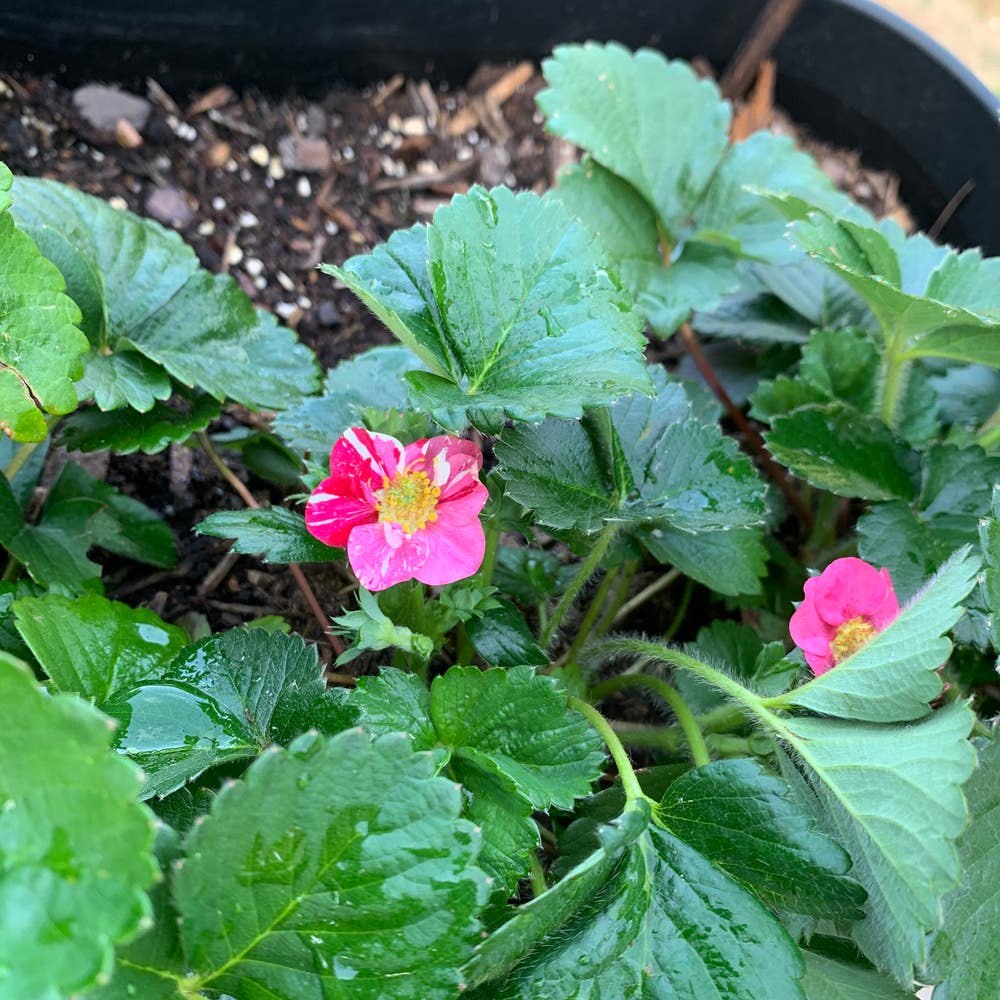
🌞 Is Direct Sunlight Good for My Pink Cinquefoil?
Potentilla nitida
By the Greg Editorial Team
Apr 08, 2024•3 min read
This article was created with the help of AI so we can cover more plants for you. May contain errors. See one? Report it here.
- 🌞 Morning sun is Pink Cinquefoil's favorite, but midday sun can harm.
- East-facing windows are ideal for gentle light; avoid south-facing ones.
- Indoor light management with sheer curtains; outdoors, create partial shade.
Sunlight Smarts for Pink Cinquefoil
🌞 What Pink Cinquefoil Thinks of Direct Sunlight
Pink Cinquefoil's relationship with sunlight is complicated. It loves the warmth and energy but too much direct exposure can lead to a tantrum in the form of scorched leaves.
🌅 Morning Rays vs. Midday Blaze
Morning sunlight is Pink Cinquefoil's best friend, offering a gentle touch that wakes it up without overwhelming. Come midday, however, the intense sun can be overbearing, making a shady afternoon retreat preferable.
🚨 Signs Your Pink Cinquefoil is Sun-Kissed or Sunburnt
A healthy Pink Cinquefoil flaunts vibrant, lush leaves. Sunburnt signs include crispy edges or a bleached-out appearance. If you spot these, it's time to dial back the sun exposure and give your plant some shade.
Windows: Pink Cinquefoil's Natural Sunglasses
🌞 The Direction Dilemma
South-facing windows are the sun's VIP lounges, offering intense light for the majority of the day. This can be too much for your Pink Cinquefoil, risking sunburn.
East-facing windows serve up a gentler morning light, perfect for easing your plant into the day. It's the equivalent of a warm-up before a workout, giving your Pink Cinquefoil the light it craves without the intensity that scorches.
West-facing windows can be deceptive. They start off mild in the morning but turn into tanning beds by afternoon. If your Pink Cinquefoil could talk, it would probably ask for a move before lunchtime.
North-facing windows are the chill zones with minimal light. They're like the cool, shady spots under a tree, offering a consistent but modest glow. Ideal for Pink Cinquefoil that prefers to avoid the limelight.
🌍 Hemisphere Hints
Flip the script if you're in the Southern Hemisphere. Here, north-facing windows are your go-to for that golden glow, while south-facing ones offer a milder, more diffused light.
Remember, as the seasons change, so should your plant's spot. It's not being high maintenance; it's about following the sun's lead without getting burned. Keep an eye on the light's intensity throughout the year and shuffle your Pink Cinquefoil around to match.
Shielding Pink Cinquefoil from Too Much Sun
🌞 Indoor Light Management
Sheer curtains are your first line of defense indoors. They soften the sun's glare, providing a gentle light that Pink Cinquefoil adores. For a more tailored approach, adjustable blinds can fine-tune the amount of sunlight bathing your plant throughout the day.
Reflective surfaces can also be strategic allies. A mirror or white cardboard positioned to redirect light away from your Pink Cinquefoil can prevent those telltale signs of sun stress.
🏜️ Outdoor Oasis Creation
Creating a partial shade haven outdoors is key. A spot under a tree or an awning can offer the dappled sunlight Pink Cinquefoil craves. Think of it as a cozy midday retreat from the sun's intense gaze.
Shade cloth is another ace up your sleeve. It's like a sunscreen for plants, cutting down on harsh rays while still letting through that sweet, life-giving light. And remember, the sun's angle isn't static; what's shaded at 10 a.m. could be a sun trap by 2 p.m. Keep an eye on your plant's location as the seasons change.
For those with a flair for the dramatic, why not erect a garden parasol? It's not just a stylish statement; it's a movable shield against the midday sun's overzealous affection.
⚠️ Safety First
This content is for general information and may contain errors, omissions, or outdated details. It is not medical, veterinary advice, or an endorsement of therapeutic claims.
Always consult a qualified healthcare professional before using any plant as food, medicine, or supplement.
Never eat any plant (or feed one to pets) without confirming its identity with at least two trusted sources.
If you suspect poisoning, call Poison Control (800) 222-1222, the Pet Poison Helpline (800) 213-6680, or your local emergency service immediately.
Spotted an error? Please report it here.
Ensure your Pink Cinquefoil thrives in just the right amount of light by using Greg's PlantVision 🌞 to find the perfect spot in your home.