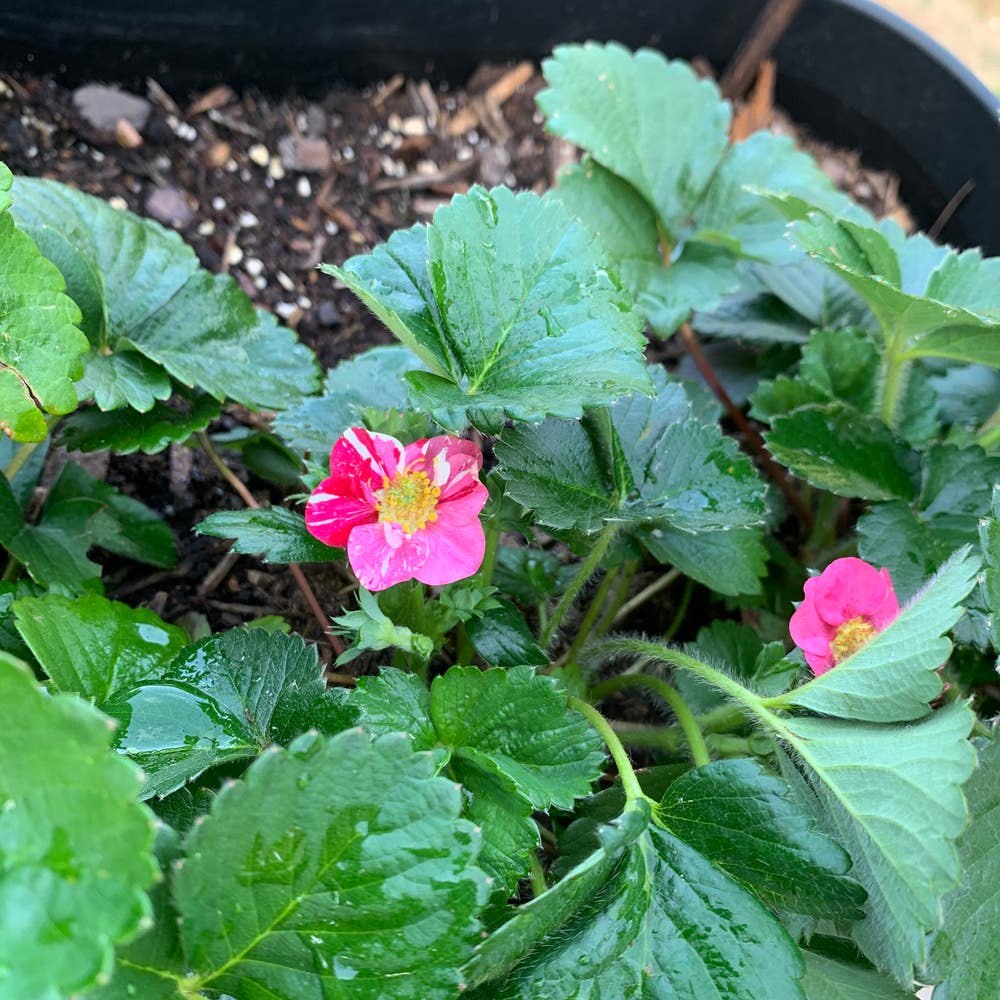
How to Get a Pink Cinquefoil to Bloom
Potentilla nitida
By the Greg Editorial Team
Apr 08, 2024•4 min read
This article was created with the help of AI so we can cover more plants for you. May contain errors. See one? Report it here.
- 6-8 hours of indirect sunlight daily for vibrant Pink Cinquefoil blooms.
- Maintain 65°-80°F and balanced humidity for consistent flowering.
- Prune and deadhead post-bloom; use phosphorus-rich fertilizer for more flowers.
Light: The Bloom Igniter
🌞 The Sweet Spot of Sunlight
Pink Cinquefoil, like a solar-powered dynamo, demands its daily dose of sunlight to unleash its floral spectacle. Ideal exposure to sunlight is a non-negotiable for these blooms; they crave a steady 6 to 8 hours of bright, indirect light.
Position them to bask in the gentle embrace of the morning sun, preferably near an east-facing window. As seasons change, so should your plant's location to ensure it continues to receive the optimal light without getting a sunburn.
🌚 When the Sun Goes Down
When daylight fades, Pink Cinquefoil's blooming cycle relies on the darkness to reset. It's not just about the light; it's about the rhythm of light and dark.
Ensure your plant experiences the natural transition from day to night, as this contrast is crucial for flower induction. If natural light is scarce, consider grow lights on a timer to mimic these conditions, but remember, the night's curtain call is as important as the day's spotlight.
Climate Control for Peak Blooms
🌡️ Temperature Tips for Top-Notch Flowers
Pink Cinquefoil's blooming prowess hinges on temperature. Aim for a sweet spot between 65° and 80°F (18° - 27°C) during the day. As night falls, a slight dip is beneficial, mimicking the plant's natural cool-down.
Consistency is your secret weapon; avoid wild swings that can confuse and stress your blooms. If you're battling a heatwave, shade cloth can be a lifesaver. Conversely, strategic planting shields from the evening chill.
💦 Humidity Hacks
Humidity is the unsung hero in the Pink Cinquefoil's flowering saga. Too dry, and the blooms might shy away; too moist, and you're in a fungal nightmare. Aim for a balanced environment.
Grouping plants or using a humidifier can create a microclimate of moist air, coaxing out those flowers. But remember, moderation is key—overzealous misting can lead to soggy soil and unhappy roots.
Pruning: Shaping Your Way to More Blooms
✂️ Snip to Success
Pruning is essential for Pink Cinquefoil's prolific blooming. Timing is critical; prune right after the flowering cycle. This practice allows the plant to rest before rallying for the next bloom bonanza.
Strategic cuts invigorate the plant, channeling energy into new growth. Aim to create an open structure, which improves both aesthetics and bloom yield. Remember, it's about quality, not quantity; over-pruning can backfire, causing stress and fewer flowers.
🎨 The Art of Deadheading
Deadheading is the plant's equivalent of a motivational speech. Remove spent blooms to signal your Pink Cinquefoil to produce more.
Be vigilant for wilting flowers but gentle with new buds. This ongoing task throughout the blooming season ensures a continuous display of color. It's not just about more flowers; it's about keeping your garden looking its best.
Feeding Your Flowers
💪 Fertilizer: The Flower Power Potion
Selecting the right fertilizer is crucial for Pink Cinquefoil's blooming success. A balanced blend, rich in phosphorus, is key to encouraging lush blooms. Opt for a water-soluble or organic type that includes nitrogen, phosphorus, and potassium, along with essential trace elements.
Timing is everything. Apply fertilizer when signs of budding appear, maintaining a consistent schedule. Over-fertilization is a no-go; it's like overdoing it with vitamins—more isn't always better. Stick to half the recommended dosage to avoid nutrient burn.
💧 Water Wisdom
Watering routines can make or break Pink Cinquefoil's blooming potential. Aim for a Goldilocks approach—not too much, not too little. The soil should be moist, but never soggy, to prevent root rot.
Signs of improper watering are easy to spot. Yellowing leaves often scream over-watering, while wilting is a cry for hydration. Adjust your watering to the plant's response, and remember that consistency is key. Keep an eye out for the weather too; nature might do the job for you on rainy days.
⚠️ Safety First
This content is for general information and may contain errors, omissions, or outdated details. It is not medical, veterinary advice, or an endorsement of therapeutic claims.
Always consult a qualified healthcare professional before using any plant as food, medicine, or supplement.
Never eat any plant (or feed one to pets) without confirming its identity with at least two trusted sources.
If you suspect poisoning, call Poison Control (800) 222-1222, the Pet Poison Helpline (800) 213-6680, or your local emergency service immediately.
Spotted an error? Please report it here.
Ensure your Pink Cinquefoil flourishes 🌸 by leveraging Greg's PlantVision to measure light exposure and create a custom watering plan for that perfect bloom.