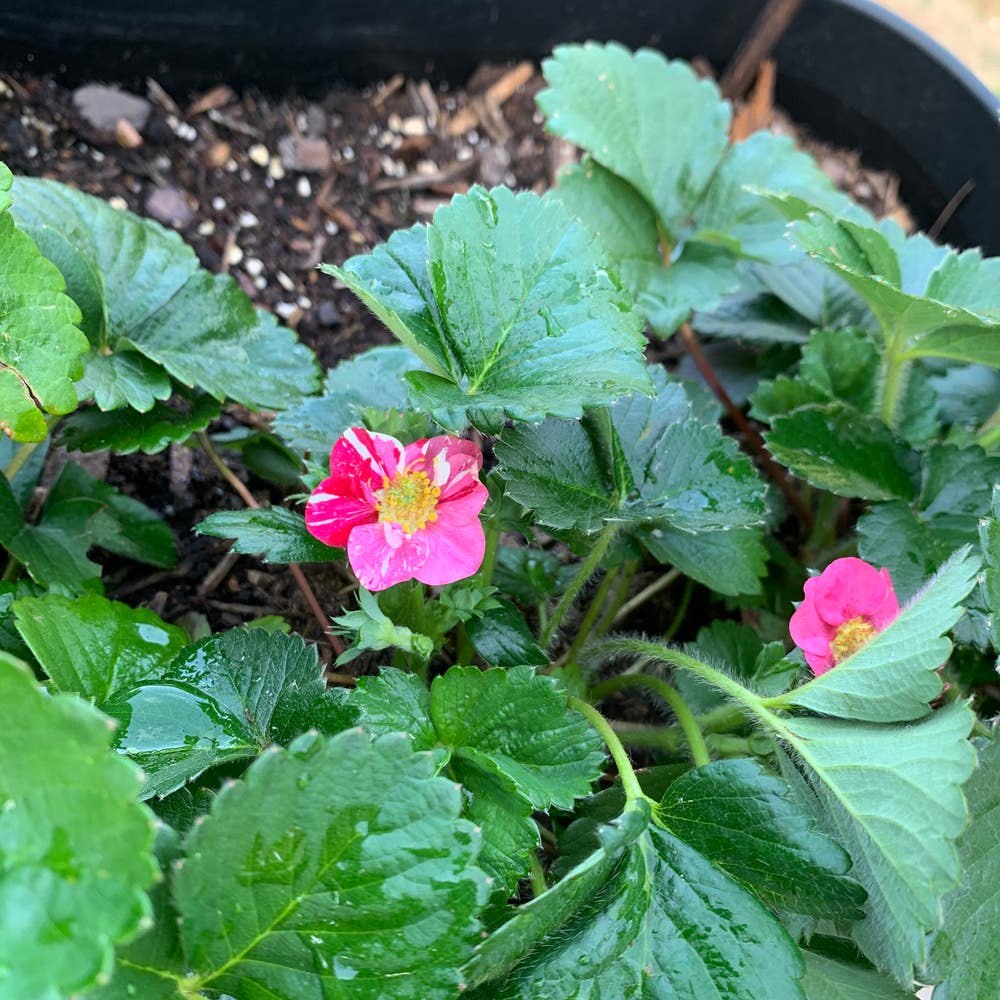
Why Are There Brown Spots on My Pink Cinquefoil Leaves?
Potentilla nitida
By the Greg Editorial Team
Apr 08, 2024•3 min read
This article was created with the help of AI so we can cover more plants for you. May contain errors. See one? Report it here.
- Overwatering, fungi, pests can cause brown spots on Pink Cinquefoil leaves.
- Adjust watering, use fungicides and pest control for prevention and treatment.
- Proper placement, airflow, drainage are key to preventing brown spots.
Spotting the Trouble: Recognizing Brown Spots on Your Plant
🕵️ Visual Symptoms of Brown Spots
Brown spots can sneak up on your Pink Cinquefoil like uninvited guests at a garden party. Tiny dots or large splotches may appear, with no respect for leaf boundaries. They could be chilling in the center or hanging out on the edges.
🚨 When to Worry
Not every brown spot deserves a panic attack. A uniform color change might just be your plant aging gracefully. But if those spots start spreading like a rumor in a small town, it's time to get concerned. Isolated spots often mean your plant is waving a red flag, begging for help.
Keep an eye out for browning tips or a change in leaf texture—these are like the opening acts for the main event of brown spots. And remember, a heavy, waterlogged pot is a cry for an intervention. If the spots are isolated or taking over, it's your cue to jump into action.
Check the underside of leaves too; sometimes they harbor secrets that the top side won't tell. And if the spots come with a yellow halo or sharp edges, it's like they're screaming, "Houston, we have a problem."
Rooting Out the Causes
💧 Too Much Love: The Perils of Overwatering
Overwatering is the silent assassin of Pink Cinquefoil. It's a classic case of too much of a good thing, turning lush leaves into a canvas of brown spots. Roots need oxygen to thrive; too much water and they're essentially gasping for air. Spot the signs: leaves with soft, dark spots are your plant's SOS.
🍄 Unwanted Guests: Fungal Foes and Pesky Pests
Fungi like Fusarium and Phytophthora throw a rave in damp conditions, leaving behind concentric rings on leaves as their signature. Early detection is key to halting their spread. Pests also get in on the action, with insects like aphids and spider mites seeing overwatered plants as an all-you-can-eat buffet. Regularly inspect your Pink Cinquefoil for these uninvited diners.
Nipping Brown Spots in the Bud: Effective Treatments
💧 Drying Out the Problem: Watering Wisely
Adjusting irrigation is crucial for Pink Cinquefoil health. Before watering, stick a finger in the soil; if it's dry a few centimeters down, it's time to water. Seasonal changes mean your plant's thirst varies, so water less in cooler months.
🍄 Fungus Among Us: Choosing the Right Fungicide
When fungi invade, it's time for fungicides. Don't just splash and dash; read the label like your plant's life depends on it—because it does. Apply carefully, ensuring good air circulation to prevent future fungal parties.
🐜 Pest Control: Keeping the Critters at Bay
Pests can be relentless. Show them the door with insecticidal soap or neem oil, and apply like you mean it. Keep your tools clean to prevent cross-contamination. Remember, it's about creating a no-bug zone, not just a quick fix.
Shielding Your Cinquefoil: Proactive Prevention
🌬️ Cultivating Strong Defenses: Plant Placement and Airflow
Air circulation is your plant's invisible shield. Place your Pink Cinquefoil where it can bask in the morning sun and enjoy a gentle breeze. This isn't just pampering; it's strategic positioning to fend off fungal invaders.
🌱 Fortifying the Foundation: Soil and Drainage Optimization
Soil savvy is crucial. Opt for a well-draining mix and consider raised beds to prevent waterlogging—a surefire invitation for brown spots. It's about giving your plant's roots the breathing room they crave.
⚠️ Safety First
This content is for general information and may contain errors, omissions, or outdated details. It is not medical, veterinary advice, or an endorsement of therapeutic claims.
Always consult a qualified healthcare professional before using any plant as food, medicine, or supplement.
Never eat any plant (or feed one to pets) without confirming its identity with at least two trusted sources.
If you suspect poisoning, call Poison Control (800) 222-1222, the Pet Poison Helpline (800) 213-6680, or your local emergency service immediately.
Spotted an error? Please report it here.
Keep your Pink Cinquefoil spot-free 🍃 with Greg's custom watering reminders and health check alerts for early detection and care!