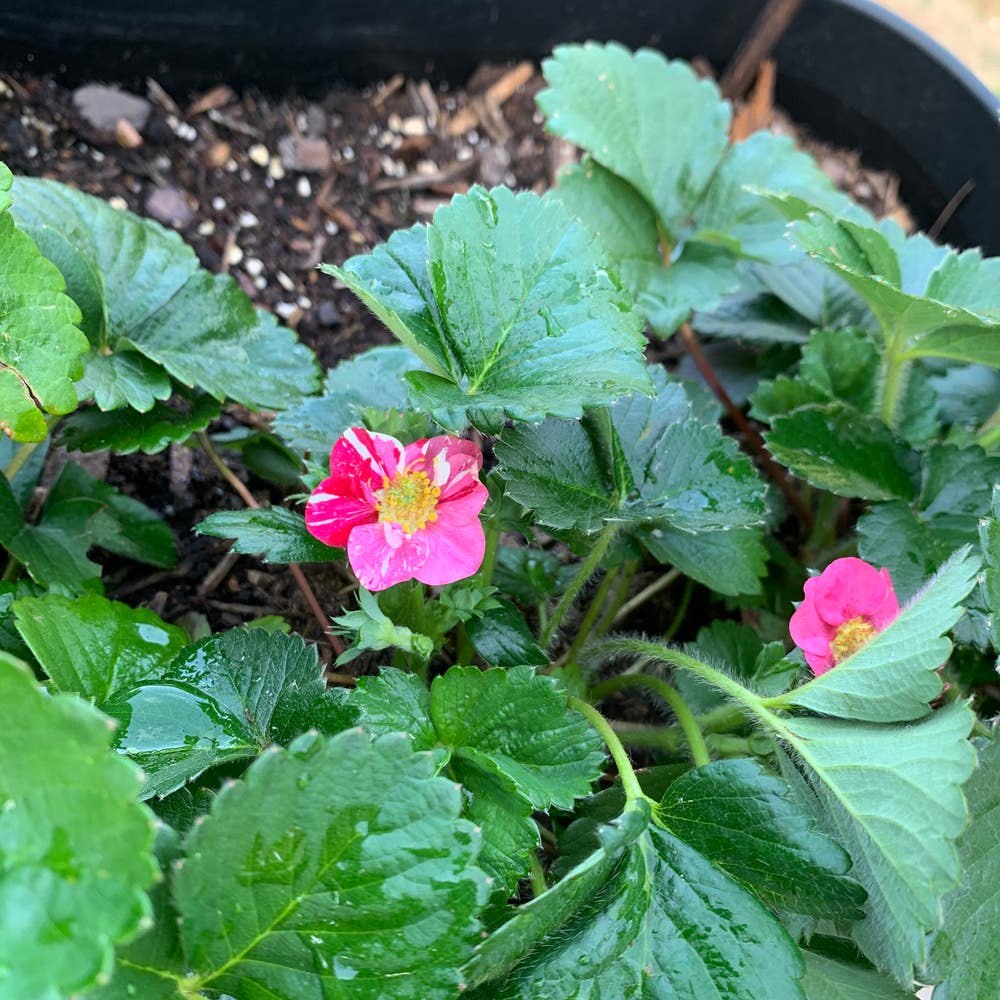
Pink Cinquefoil - Fertilizing 101
Potentilla nitida
By the Greg Editorial Team
Apr 08, 2024•4 min read
This article was created with the help of AI so we can cover more plants for you. May contain errors. See one? Report it here.
- Higher phosphorus NPK ratio for Pink Cinquefoil's vibrant blooms.
- Fertilize in spring and biweekly during peak bloom for continuous flowers.
- Spot over-fertilization by yellow leaves and white crust, then take quick action.
Choosing the Right Fertilizer for Vibrant Blooms
🌸 Understanding NPK Ratios for Pink Cinquefoil
Phosphorus is the key player for Pink Cinquefoil's blooming prowess. An NPK ratio with higher phosphorus, such as 5-10-5 or 10-20-10, is ideal. This nutrient acts as a bloom booster, ensuring those flowers pop.
Micronutrients shouldn't be overlooked. Iron and magnesium contribute to vivid colors and strong petal health. They're like the unsung heroes of the fertilizing world.
🌱 Organic vs. Synthetic Fertilizers
Organic fertilizers are the tortoises in this race: slow and steady. They improve soil health over time, resulting in a gradual nutrient release. This means long-term gains for your Pink Cinquefoil's blooming phase.
Synthetic fertilizers are the hares—quick and potent. They can give your blooms an immediate lift but beware of overuse. Nutrient burn is a real risk with these power-packed options.
Both have their place in the garden, but it's all about balance and knowing your plant's needs. Whether you choose organic or synthetic, keep a watchful eye on those NPK numbers for a thriving Pink Cinquefoil.
Timing is Everything: When to Fertilize
🌱 Kickstarting the Growing Season
Spring heralds a new beginning for Pink Cinquefoil. Fertilize as the first green shoots emerge to give your plants a nutrient boost that sets the stage for vibrant blooms.
Maintaining Nutrient Levels During Blooming
During the peak blooming period, a regular fertilization schedule is crucial. Aim to fertilize every two to four weeks to sustain the plant's energy and encourage continuous flowering.
Post-Bloom Nutrition
After the final petals have fallen, it's time to adjust your approach. Reduce fertilization to help the plant wind down and store energy for the coming year.
Fertilizing Techniques for Pink Cinquefoil
💐 The Right Amount
In the quest for vibrant blooms, it's easy to slip into a more-is-better mindset with fertilizer. Resist the urge. Pink Cinquefoil thrives with moderation. A balanced fertilizer—think 10-10-10—applied sparingly, is your ticket to bloom town. Overdo it, and you're looking at a lush green bush with few, if any, flowers.
🌱 Application Methods
Soil Application
For soil application, a granular approach is often best. Sprinkle the fertilizer around the base of the plant, careful to avoid direct contact with the stems or leaves. This method slowly releases nutrients, giving your Pink Cinquefoil a steady diet without the shock of too much, too soon.
Foliar Feeding
Foliar feeding can be a quick fix for nutrient deficiencies, but it's like performing surgery with a chainsaw if you're not careful. Dilute your liquid fertilizer properly and never spray directly on blooms or in the heat of the day—unless you're into fried petals.
Watering Can Method
Grab a watering can with a long spout to target the base of your Pink Cinquefoil. It's like precision watering—getting the good stuff to the roots without the splashback. Remember, even watering promotes healthy growth, so keep it consistent.
Post-Pruning Care
After giving your Pink Cinquefoil a trim, a light application of fertilizer can kick-start recovery. Just don't go wild with it; think of it as a gentle nudge rather than a full-on shove.
By sticking to these techniques, you'll be setting the stage for a Pink Cinquefoil performance that's nothing short of show-stopping. Just remember, with fertilization, it's a slow dance, not a mosh pit.
Recognizing and Fixing Over-Fertilization
🚩 Spotting the Signs Early
Yellow leaves or brown tips on your Pink Cinquefoil? Red flag. A white crust on the soil's surface? That's a buildup of fertilizer salts. Wilting leaves despite moist soil? Over-fertilization could be the culprit. Don't ignore these symptoms; they're your plant's cry for help.
🛠 Quick Fixes for Fertilizer Fiascos
First, remove any visible fertilizer from the plant's base. Next, flood the soil with water to dilute and wash away excess nutrients—think of it as a detox for your plant. Prune away damaged foliage to encourage recovery. For potted Pink Cinquefoils, repot with fresh soil; for garden plants, replace the topsoil layer. Hold off on further fertilization until your plant stabilizes and regains its composure.
⚠️ Safety First
This content is for general information and may contain errors, omissions, or outdated details. It is not medical, veterinary advice, or an endorsement of therapeutic claims.
Always consult a qualified healthcare professional before using any plant as food, medicine, or supplement.
Never eat any plant (or feed one to pets) without confirming its identity with at least two trusted sources.
If you suspect poisoning, call Poison Control (800) 222-1222, the Pet Poison Helpline (800) 213-6680, or your local emergency service immediately.
Spotted an error? Please report it here.
Nurture vibrant Pink Cinquefoil blooms 🌺 with precision by using Greg's tailored fertilizing reminders, ensuring your garden dazzles with color and health.