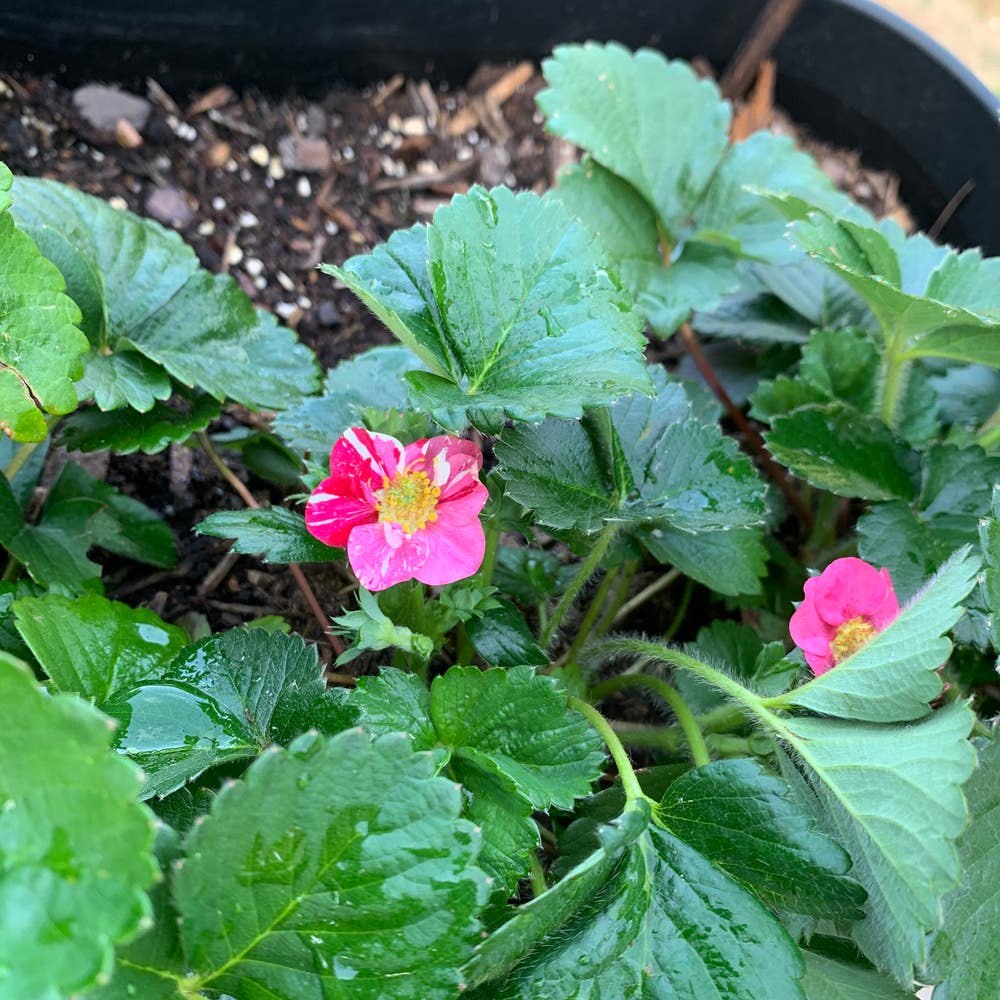
Why Are My Pink Cinquefoil Leaves Dropping?
Potentilla nitida
By the Greg Editorial Team
Apr 13, 2024•5 min read
This article was created with the help of AI so we can cover more plants for you. May contain errors. See one? Report it here.
- Over/underwatering and heat stress can cause Pink Cinquefoil leaf drop.
- Nutrient imbalances affect leaf health; soil tests and fertilizers can help.
- Pests and diseases threaten leaves; control with soapy water, neem oil, and airflow.
Spotting the Signs of Trouble
🍂 Identifying Leaf Drop in Pink Cinquefoil
Leaf drop in Pink Cinquefoil can be subtle or dramatic. Look for leaves that have lost their perkiness, appearing as if they're succumbing to gravity's pull. Consistency in leaf posture is normal; a shift towards limpness is a signal to investigate further.
👀 Visual Cues of Leaf Drop
Visual inspection is key. Leaves that detach with little effort or exhibit a noticeable decline in appearance are waving a red flag. Discoloration, spots, or changes in texture should prompt immediate attention.
📅 Seasonal vs. Abnormal Leaf Drop
Understand that Pink Cinquefoil will naturally shed leaves, akin to a seasonal wardrobe change. However, if leaves are dropping erratically or out of season, it's a sign that something's amiss. Monitor patterns and timing to distinguish between natural cycles and potential stressors.
Zeroing in on the Culprits
💦 Too Much Love: Overwatering Woes
Overwatering is akin to giving your plants an unwanted bath. Look out for yellowing leaves and a general droopiness. If the soil feels like a wet sponge, it's time to cut back on the H2O.
Signs of Waterlogged Roots
- Soil that's constantly wet to the touch
- Swollen, mushy stems or roots
How to Adjust Your Watering Technique
- Let the soil dry out to the consistency of a stale biscuit
- Water thoroughly, then wait until the top inch of soil is dry before the next round
🏜️ Thirsty Roots: The Underwatering Problem
Conversely, underwatering turns your Pink Cinquefoil into a desert dweller. Crispy leaves and soil pulling away from the pot's edge are red flags.
Spotting Dry Soil and Wilted Leaves
- Dry, crumbly soil
- Leaves that droop like they've given up on life
Finding the Watering Sweet Spot
- Water until it runs through the drainage holes, then let the soil dry out slightly
- Adjust your routine with the seasons, keeping an eye on the plant's weight and soil moisture
🌡️ Feeling the Heat: Temperature and Humidity Stress
Temperature swings can cause your Pink Cinquefoil to shed leaves like it's going out of style. High heat can stress plants, leading to leaf drop.
Recognizing Temperature-Related Leaf Drop
- Leaves turning light green and drooping
- Development of leaf spot disease
Balancing Humidity and Airflow for Healthy Leaves
- Ensure good air circulation to prevent fungal diseases
- Avoid wetting the leaves directly when watering
Nourishment and Deficiencies
💪 The Role of Nutrients in Leaf Retention
Nutrients are the backbone of plant health, and Pink Cinquefoil is no exception. When leaves start dropping, it's a red flag that something's amiss in the nutrient department.
🌿 Key Nutrients That Affect Leaf Health
Nitrogen is the star player for leaf growth; a shortage here means older leaves turn yellow and bail out first. Magnesium keeps chlorophyll production in check; without it, leaves can show interveinal chlorosis, turning yellow between the veins. Calcium and potassium are also crucial, supporting overall plant vitality and leaf stability.
🧪 Diagnosing and Fixing Nutrient Imbalances
Diagnosing nutrient deficiencies isn't just about spotting symptoms; it's about understanding the soil's story. Soil tests are your best friend here, revealing what's missing from your plant's diet. Once you've pinpointed the deficiency, it's time to act. Use a balanced fertilizer but remember, moderation is key—overfeeding can be just as harmful as neglect. Adjust your watering to prevent nutrients from washing away, especially in fast-draining soils. If you're seeing yellowing leaves or premature leaf drop, consider supplements like nitrate or urea, but don't go overboard. It's about finding that sweet spot where your Pink Cinquefoil thrives.
Battling Unseen Enemies
🐛 Pests: The Sneaky Leaf Thieves
Pink Cinquefoil isn't immune to the sneak attacks of garden pests. Aphids, thrips, and Japanese beetles are the usual suspects. They're not just ugly; they're harmful. Look for misshapen leaves, stickiness, or an outright bug convention.
🔍 Identifying Common Pests in Pink Cinquefoil
Spotting these critters requires a keen eye. Aphids are tiny but mighty, clustering on new growth. Thrips leave behind silvery trails of destruction. Japanese beetles? They're the bullies, chomping through leaves like there's no tomorrow.
💪 Effective Pest Control Strategies
To kick pests out, start with a soapy water bath. It's like a spa day gone wrong for them. For the persistent party-crashers, bring out the big guns: insecticidal soap or neem oil. These are the bouncers of the plant world.
🍄 Diseases: Fungal Foes and How to Fight Them
Fungal diseases are the silent assassins of the plant world. Black spots or a powdery mildew coating are their calling cards. They thrive in the shadows, waiting to pounce on weakened plants.
🚨 Recognizing Symptoms of Common Diseases
Stay alert for early warning signs. Yellowing leaves and unsightly spots are the SOS signals of your Pink Cinquefoil. They're crying out for help, and you're the only one who can hear them.
🛡️ Best Practices for Disease Prevention and Treatment
Prevention is your best weapon. Keep the foliage dry and the air moving. If you spot trouble, prune the affected areas with the precision of a surgeon. And when necessary, apply a fungicide with the care of an artist painting their masterpiece.
⚠️ Safety First
This content is for general information and may contain errors, omissions, or outdated details. It is not medical, veterinary advice, or an endorsement of therapeutic claims.
Always consult a qualified healthcare professional before using any plant as food, medicine, or supplement.
Never eat any plant (or feed one to pets) without confirming its identity with at least two trusted sources.
If you suspect poisoning, call Poison Control (800) 222-1222, the Pet Poison Helpline (800) 213-6680, or your local emergency service immediately.
Spotted an error? Please report it here.
Prevent unexpected leaf drop in your Pink Cinquefoil by letting Greg pinpoint 🎯 potential stressors and tailor a perfect care schedule for your plant's needs.