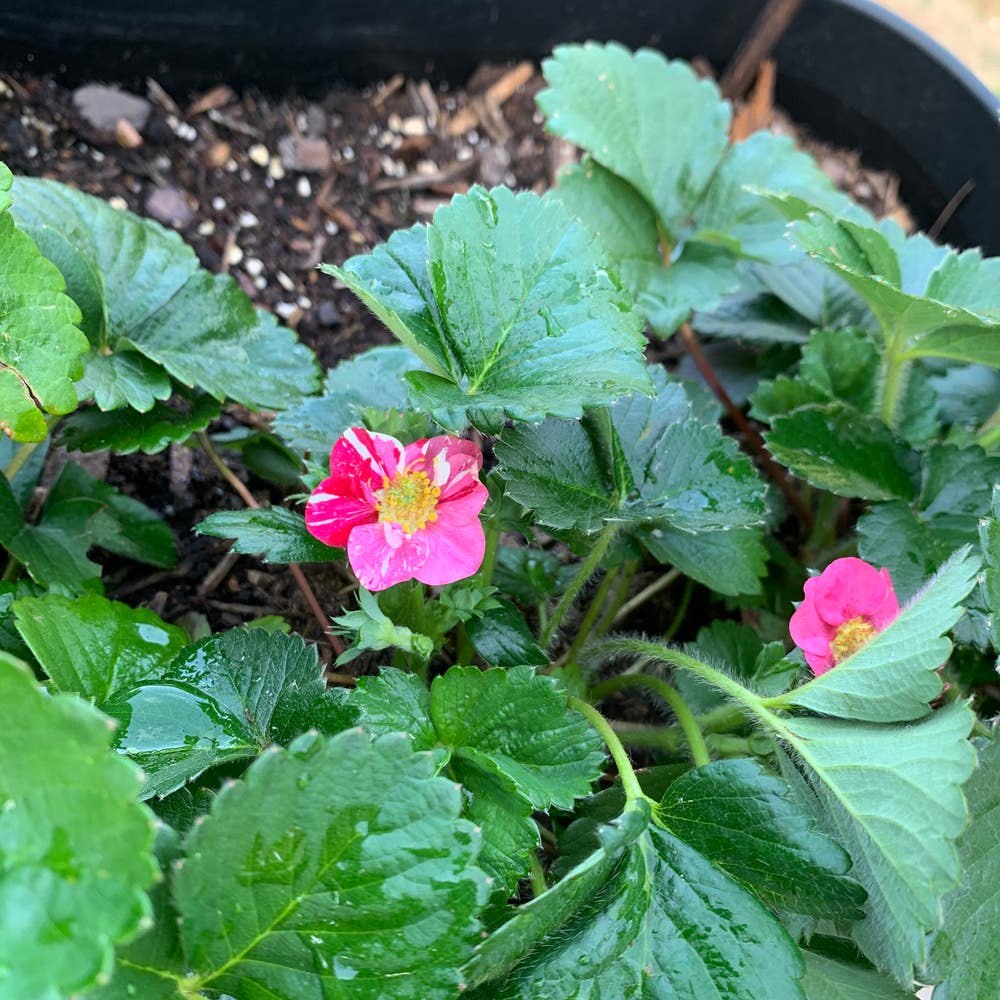
Symbolism and Benefits of the Pink Cinquefoil
Potentilla nitida
By the Greg Editorial Team
Apr 08, 2024•3 min read
This article was created with the help of AI so we can cover more plants for you. May contain errors. See one? Report it here.
- 💕 Symbolizes love and resilience, reflecting affection and the human spirit.
- 🌿 Medicinal and ecological ally, aiding in healing and biodiversity.
- 🍽️ Culinary and cultural icon, from recipes to community celebrations.
Unveiling the Symbolism
🌸 The Language of Flowers: Love and Romance
In the realm of floriculture, Pink Cinquefoil is not just another pretty face; it's a whisperer of affection. Its delicate petals are steeped in the language of flowers, a cryptological communication that dates back to Victorian times, where blooms were used to convey messages of love and romance. Pink Cinquefoil, with its soft hues, is often associated with tender love and the gentle touch of a caring heart.
🛡️ A Badge of Resilience
Beyond its romantic whispers, Pink Cinquefoil is a symbol of resilience. Its ability to flourish in diverse conditions mirrors the human spirit's capacity to persevere. Culturally, it's a botanical badge of honor, representing strength wrapped in the softness of its petals. This duality makes it a poignant emblem for those facing challenges, embodying the notion that true grit often comes in the most delicate of packages.
✨ Spiritual Roots and Rituals
The Pink Cinquefoil's significance extends into the spiritual realm. It's been woven into rituals and ceremonies, serving as a sacred botanical element. Its presence in spiritual practices underscores a connection to the divine, with its five-petaled flowers often symbolizing balance and harmony. In some cultures, Pink Cinquefoil is seen as a conduit for spiritual healing, fostering a deeper communion with nature's mystical aspects.
A Bouquet of Benefits
🌿 Nature's Healer: Medicinal Uses
Pink Cinquefoil has been a staple in traditional medicine, its whole plant acting as an astringent. Historically, it was applied to wounds, promoting the contraction of tissue to aid healing. Its medicinal uses echo through time, from Medieval Europe to modern herbalism.
🌍 Eco-Warrior: Environmental Impact
This plant is not just a pretty face; it's an ecological ally. Pink Cinquefoil's vibrant flowers are a siren call to bees, butterflies, and other pollinators, bolstering local biodiversity. It's a living testament to the symbiotic relationship between flora and fauna.
🍽️ Culinary Delights: From Garden to Table
Beyond its visual appeal, Pink Cinquefoil sneaks into the culinary world. It has a secret life in traditional dishes, where it adds more than just a splash of color. Its leaves and flowers may find their way into recipes that span from the rustic to the gourmet.
😌 Mental Oasis: Emotional Well-being
Let's not overlook the emotional perks. Pink Cinquefoil is a mental balm, its presence known to soothe the soul. Whether it's the color, the form, or the very essence of the plant, it offers a respite from the chaos of daily life, nurturing the mind as well as the garden.
Cultural Tapestry
🌸 Festive Flair: Celebrations and Traditions
In the tapestry of cultural festivities, Pink Cinquefoil plays a subtle yet meaningful role. Its hardy nature and charming blooms have made it a symbol of growth and connection, themes that resonate deeply during communal celebrations. While it may not be the centerpiece like the poinsettia during Christmas, Pink Cinquefoil's presence in local storytelling and traditions underscores its role in fostering community ties.
🧚 Myths and Legends: Folklore's Blossom
Beyond its aesthetic appeal, Pink Cinquefoil is steeped in folklore, often representing resilience. It doesn't boast the grandeur of mythical plants like the shamrock, yet it holds its own with a quiet strength. In folklore, it's a plant that whispers rather than shouts, its stories woven into the fabric of local myths and superstitions, inspiring a sense of wonder and a touch of the magical in everyday life.
⚠️ Safety First
This content is for general information and may contain errors, omissions, or outdated details. It is not medical, veterinary advice, or an endorsement of therapeutic claims.
Always consult a qualified healthcare professional before using any plant as food, medicine, or supplement.
Never eat any plant (or feed one to pets) without confirming its identity with at least two trusted sources.
If you suspect poisoning, call Poison Control (800) 222-1222, the Pet Poison Helpline (800) 213-6680, or your local emergency service immediately.
Spotted an error? Please report it here.
Discover the magic ✨ of Pink Cinquefoil's symbolism and benefits, and let Greg nurture your connection to this enchanting bloom with tailored care advice.