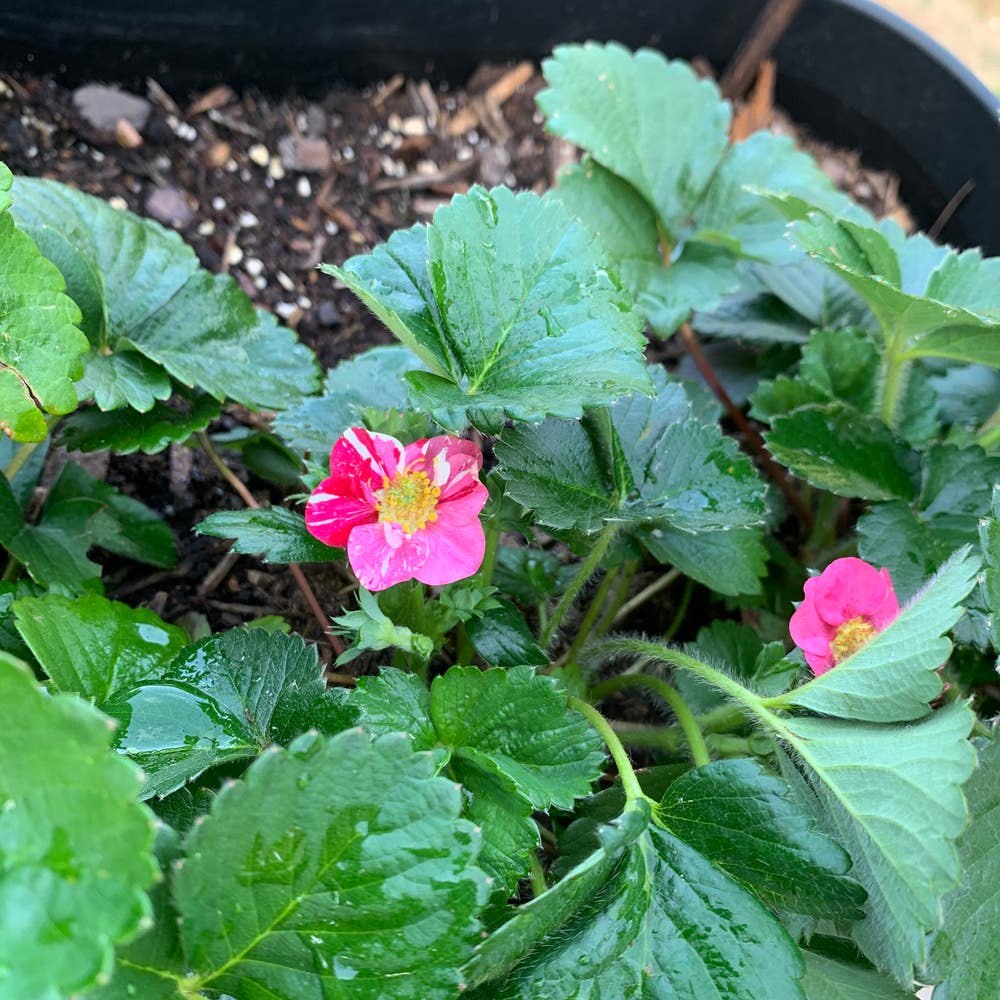
What Temperature Does My Pink Cinquefoil Need?
Potentilla nitida
By the Greg Editorial Team
Apr 08, 2024•3 min read
This article was created with the help of AI so we can cover more plants for you. May contain errors. See one? Report it here.
- Day 60-75°F, Night 55-65°F - Ideal temperature range for Pink Cinquefoil.
- Seasonal care adjustments - Shade in summer, frost protection in winter.
- Watch for temperature stress - Wilting or discolored leaves signal trouble.
Dialing in the Perfect Temperature
🌡️ Day and Night: Pink Cinquefoil's Ideal Temperature Range
Pink Cinquefoil thrives in a Goldilocks zone—not too hot, not too cold. During the day, aim for a sweet spot between 60-75°F (15-24°C). When the sun sets, a slight dip to 55-65°F (13-18°C) cues the plant for its beauty sleep.
📅 Seasonal Shifts: Adjusting Care with the Calendar
As the calendar flips, so should your Pink Cinquefoil's care routine. Summer's blaze and winter's chill require you to be on your toes. Shield the plant from scorching heat by providing shade or moving it indoors. In winter, avoid the frosty kiss of death by keeping it in a cozy spot away from windows that double as ice rinks.
When Things Heat Up: Recognizing Temperature Stress
🌡️ Visual Red Flags
Wilting leaves on your Pink Cinquefoil? That's the plant's non-verbal way of saying it's too hot. Leaf scorch, where edges look like they've had a run-in with a blowtorch, is another red flag. These signs are your cue to dial down the heat.
🥶 Cold Snaps and Pink Cinquefoil
Now, if your Cinquefoil's leaves are discoloring, think of it as the plant's mood ring. Yellow leaves might just be screaming for a cooldown, but when they're turning brown or black, it's likely a cry for warmth. Stunted growth is the silent alarm for temperature distress; it's the plant hitting the pause button because it's too cold to function.
Keeping Your Cool: Preventing Temperature Extremes
🌞 The Sun Factor
Pink Cinquefoil enjoys sunlight, but too much can raise temperatures to harmful levels. Position the plant so it receives gentle morning rays and dappled afternoon shade. This balance prevents the leaves from getting a sunburnt look—a sure sign of distress.
❄️ Frosty Nights and Chilly Mornings
When temperatures drop, Pink Cinquefoil is at risk. Insulate the plant with mulch or bring it indoors to avoid a cold shock. If it's an outdoor plant, consider using plant covers to ward off frost damage. Remember, a sudden droop in leaves might be your plant's way of crying out for warmer conditions.
Quick Touch on Humidity
💦 Humidity's Sidekick Role to Temperature
Humidity: it's the silent partner in the temperature dance. It's not just about how hot or cold your Pink Cinquefoil feels, but how the air's moisture level plays into that sensation.
Hygrometers are your secret weapon, letting you peek into the invisible world of water vapor. Too dry, and your plant's thirsting for a drink; too damp, and you're setting the stage for a fungal horror show.
Seasonal shifts mean the humidity game is always changing. Summer brings a muggy entourage, while winter air is often as parched as a desert.
Your home's climate control can turn your living room into a humidity battleground. Cranking the heat? You might be sucking the moisture right out of the air.
Leaf health is your telltale sign. If they're curling or drooping, it's time to reevaluate your humidity strategy.
Remember, it's all about balance. Too much or too little humidity, and your Pink Cinquefoil's comfort is compromised. Keep an eye on it, and adjust as needed to keep those leaves perky.
⚠️ Safety First
This content is for general information and may contain errors, omissions, or outdated details. It is not medical, veterinary advice, or an endorsement of therapeutic claims.
Always consult a qualified healthcare professional before using any plant as food, medicine, or supplement.
Never eat any plant (or feed one to pets) without confirming its identity with at least two trusted sources.
If you suspect poisoning, call Poison Control (800) 222-1222, the Pet Poison Helpline (800) 213-6680, or your local emergency service immediately.
Spotted an error? Please report it here.
Keep your Pink Cinquefoil thriving 🌡️ by following Greg's tailored care reminders that help you maintain the perfect balance of warmth and moisture.